
How to choose the right houseplant for your space
Photo by Lana Kravchenko
Standing in front of the nursery shelves, it's easy to fall for a plant just because of how it looks, only to watch it wither away after a few weeks at home. The problem is almost never a lack of green thumbs: usually it's a plant chosen without considering the light you actually have, the space available and how much time you can devote to it. In this guide I'll help you make the right choice starting from your real conditions, not from the prettiest photo. That way the plant you bring home will have an excellent chance of staying healthy for a long time.
Start with light: it's the factor that matters most
Before you look at the shape of the leaves, take a look at the room. Light is the main constraint: a sun-loving plant in a dark corner will always struggle, no matter how well you care for it.
Make a simple assessment based on which way your windows face:
- South-facing windows (lots of light): suited to plants that want intense light, such as many succulents and cacti, or broad-leaved plants kept a couple of metres from the glass.
- East- or west-facing windows (medium light): the most versatile situation, where most houseplants do well, including pothos, monstera and ficus.
- North-facing windows or dimly lit rooms: here it's better to go for tolerant species, such as sansevieria, zamioculcas or pothos, which cope with low-light conditions.
A practical test: in the middle of the day, using only natural light, try reading a book in the corner where you want to place the plant. If you can do it without switching on a light, there's enough brightness for many indoor species. If you have to strain your eyes, choose among the plants that tolerate shade. If those are exactly what you're after, you'll find more detailed suggestions in the guide to easy plants that survive in low light.
How much time (and attention) you can really give it
Be honest with yourself about how much you'll tend to the plant. The most common cause of death at home is too much water, often from people who water out of affection rather than real need.
If you have little time or travel often
Look for plants that forgive forgetfulness and store water:
- Sansevieria (Dracaena trifasciata): tolerates drought and low light, needs watering only rarely.
- Zamioculcas zamiifolia: extremely hardy, it can go weeks without water.
- Pothos (Epipremnum aureum): vigorous and forgiving, it clearly signals when it's thirsty.
These are excellent, easy-care houseplants, ideal for anyone short on time: generally you just need to water them when the soil is dry deep down.
If you enjoy taking care of them
If tending to plants relaxes you, you can be more adventurous with species that ask for more attention, such as calatheas (which love constant humidity) or orchids. Either way, the golden rule stays the same: check the soil moisture with a finger before watering, instead of following a fixed schedule. On this point, the guide on how often to water plants comes in handy.
Want a care plan tailored to your plants?
Join the waitlist: species ID, diagnosis and the Gemma assistant, with the lifetime founder discount.
Measure the space and picture the growth
A plant won't stay the way you see it in the shop. Think about where it will be in one or two years, not just today.
- Shelves and desks: compact or trailing plants such as small pothos, succulents or a small fern.
- Free corners on the floor: here you can go for specimens that grow bulky, like a monstera, a ficus or a kentia.
- Narrow spaces or passageways: avoid plants with broad, protruding leaves, which get damaged if they're constantly knocked.
Also consider the air: a room with poor ventilation and little light encourages waterlogging and rot, while too much dry air from radiators tends to dry out the leaf tips. Bear in mind that in winter the heating greatly changes conditions at home, as I explain in the guide on plants and radiators.
Which plant for the living room (and to make a good impression)
The living room is usually the brightest and most lived-in room, so it lends itself to plants that make a statement and become a focal point of the décor.
Some reliable choices for a beautiful plant at home:
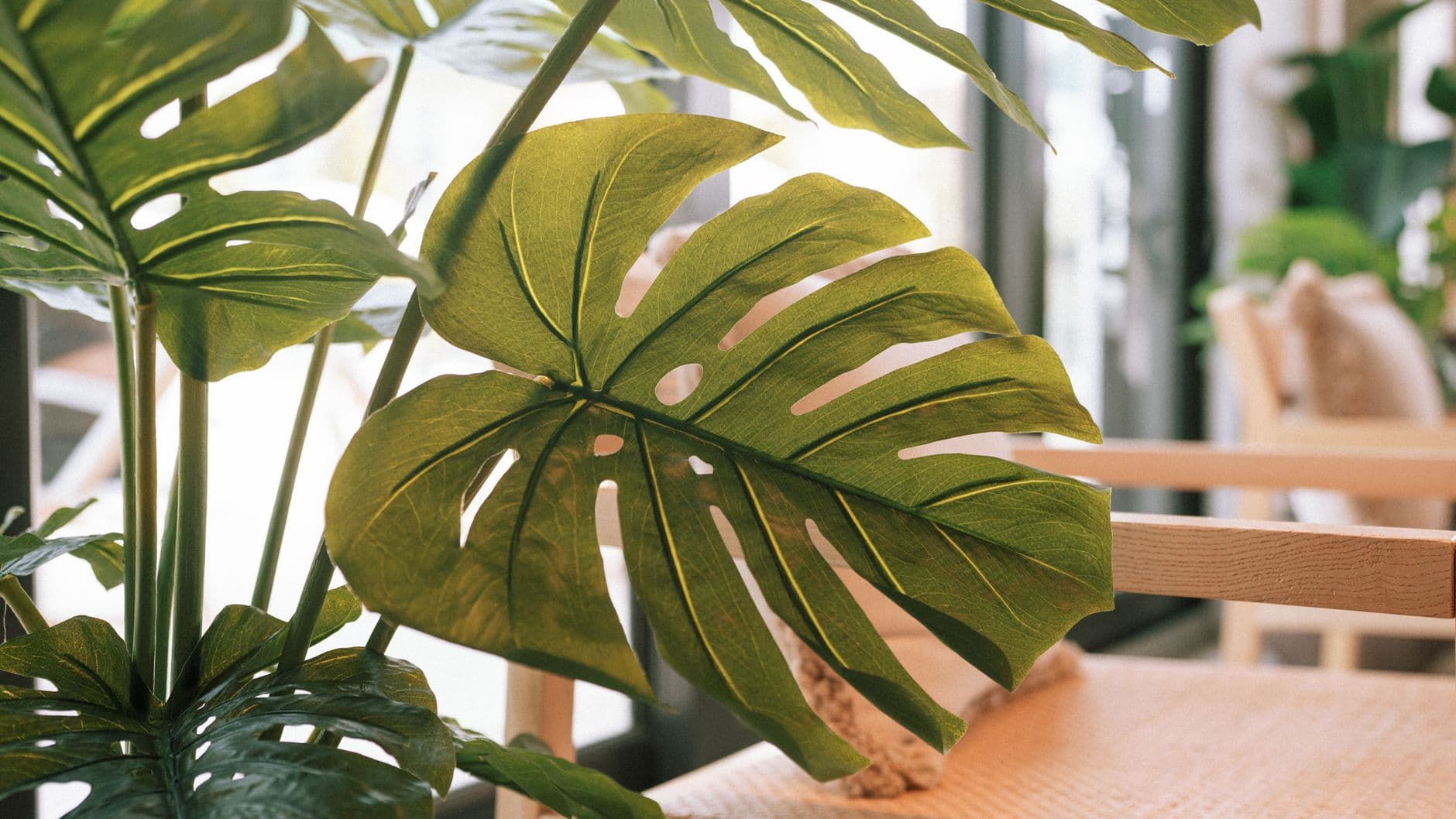
- Monstera deliciosa: large, fenestrated leaves, very striking; it grows a lot and loves bright indirect light. If you choose it, take a look at the guide dedicated to monstera.
- Ficus lyrata or Ficus elastica: elegant, upright habit, perfect for filling a corner.
- Kentia (Howea forsteriana): a palm with a classic, relaxing air, tolerant and long-lasting.
- Strelitzia: broad, tropical leaves for anyone looking for volume and character; note it is toxic to dogs and cats (ASPCA), so keep it out of their reach.
If the living room isn't very bright, fall back on more tolerant species such as pothos or a bulky zamioculcas, or read what science really says about plants that purify the air to avoid inflated expectations.
If there are children or pets at home
Many common houseplants are toxic if eaten. Curious dogs and cats, and young children, may nibble on them, so it's worth checking before you buy.
According to the ASPCA classification, widely grown plants such as pothos, monstera, ficus, philodendron and many species in the Araceae family are considered toxic to dogs and cats. Among the safer plants, on the other hand, are kentia, calathea, maranta and many ferns.
A bit of perspective helps: for aroids such as pothos, monstera and philodendron, the ASPCA documents mainly oral irritation, drooling and vomiting, caused by insoluble calcium oxalate crystals that burn immediately and usually stop the animal before it eats much. Serious cases are rare, but it's still worth calling the vet or a poison control centre about your specific case.
If you live with pets:
- Favour the non-toxic species on the ASPCA list.
- Keep the plants out of reach anyway, because even a non-toxic plant can cause digestive upset if eaten in quantity.
- If you suspect ingestion, contact a poison control centre or the vet without waiting for symptoms to appear.
For a complete overview, see the guide to plants that are safe for cats and dogs.
A plant to give as a gift: how to get it right
Giving a plant is a lovely gesture, but the risk is entrusting someone with a species that's too demanding for their conditions or their experience.
Some useful criteria for choosing a plant to give as a gift:
- For someone starting from scratch: go for hardy, forgiving plants such as sansevieria, zamioculcas or pothos. They rarely disappoint and are rewarding even for someone who has never cared for anything.
- For a special occasion: a flowering Phalaenopsis orchid always makes an impression and lasts a long time if well cared for (see how to care for Phalaenopsis).
- For those with experience: a calathea with patterned leaves or a well-shaped monstera.
A tip: pair the gift with a couple of lines on the essential care (how much light and how often to water), or suggest downloading a reminder app. If the person receiving the plant is a beginner, the basic guide on how to care for houseplants may come in handy.
How Greenkeep helps you choose without going wrong
Bringing together light, space, free time and any pets at home can seem complicated when you're standing in front of dozens of plants. This is exactly where Greenkeep lends a hand.
Enter your real conditions (which way your windows face, the size of the space, how much time you can devote and whether you have pets) and the app suggests the species best suited to your situation, ruling out those that would be unlikely to survive. For the plant you choose, Greenkeep instantly generates a tailored care plan, with watering reminders designed around its needs and your environment.
It's a way to avoid the most common mistake, namely choosing with your eyes and ending up with a plant that demands care you can't possibly provide. If, despite everything, things do go badly, the diagnostic guides help you work out what went wrong, from yellow leaves to the 7 mistakes that kill plants at home.
Let AI tell you exactly what to do
Join the waitlist: species ID, diagnosis and the Gemma assistant, with the lifetime founder discount.
Keep reading
Frequently asked questions
Sansevieria, zamioculcas and pothos are among the most forgiving: they tolerate watering mistakes and less-than-ideal light conditions. They're great choices for anyone starting from scratch or short on time, because you only water them when the soil is dry deep down.
If the living room has little natural light, go for tolerant species such as pothos, zamioculcas or sansevieria, which cope with shade. Avoid plants that love full sun: in a dark space they stretch out, lose colour and decline over time.
Don't follow a fixed schedule: check the soil moisture by pushing a finger in a few centimetres. Only water when you feel the substrate is dry, because too much water is the most common cause of death for plants at home.
According to the ASPCA, among the safest are kentia, calathea, maranta and many ferns. Many common plants such as pothos, monstera and ficus are, however, toxic if eaten. If you suspect ingestion, contact a poison control centre or the vet.
For someone without experience, a sansevieria or a pothos are safe, long-lasting gifts. For a special occasion, a flowering Phalaenopsis orchid always makes an impression. Add a couple of basic care notes to help the person receiving it.
Sources
Related guides
 Plants & pets
Pet-Safe Houseplants for Cats and Dogs
A practical guide to choosing non-toxic houseplants if you live with a cat or a dog, with the safest species and the behaviours to keep an eye on.
Read the guide Choosing & buying
Air-Purifying Houseplants: What the Science Really Says
Which plants actually improve the air in your home and what the research really says, somewhere between the NASA myth and reality. An honest list to help you choose well.
Read the guide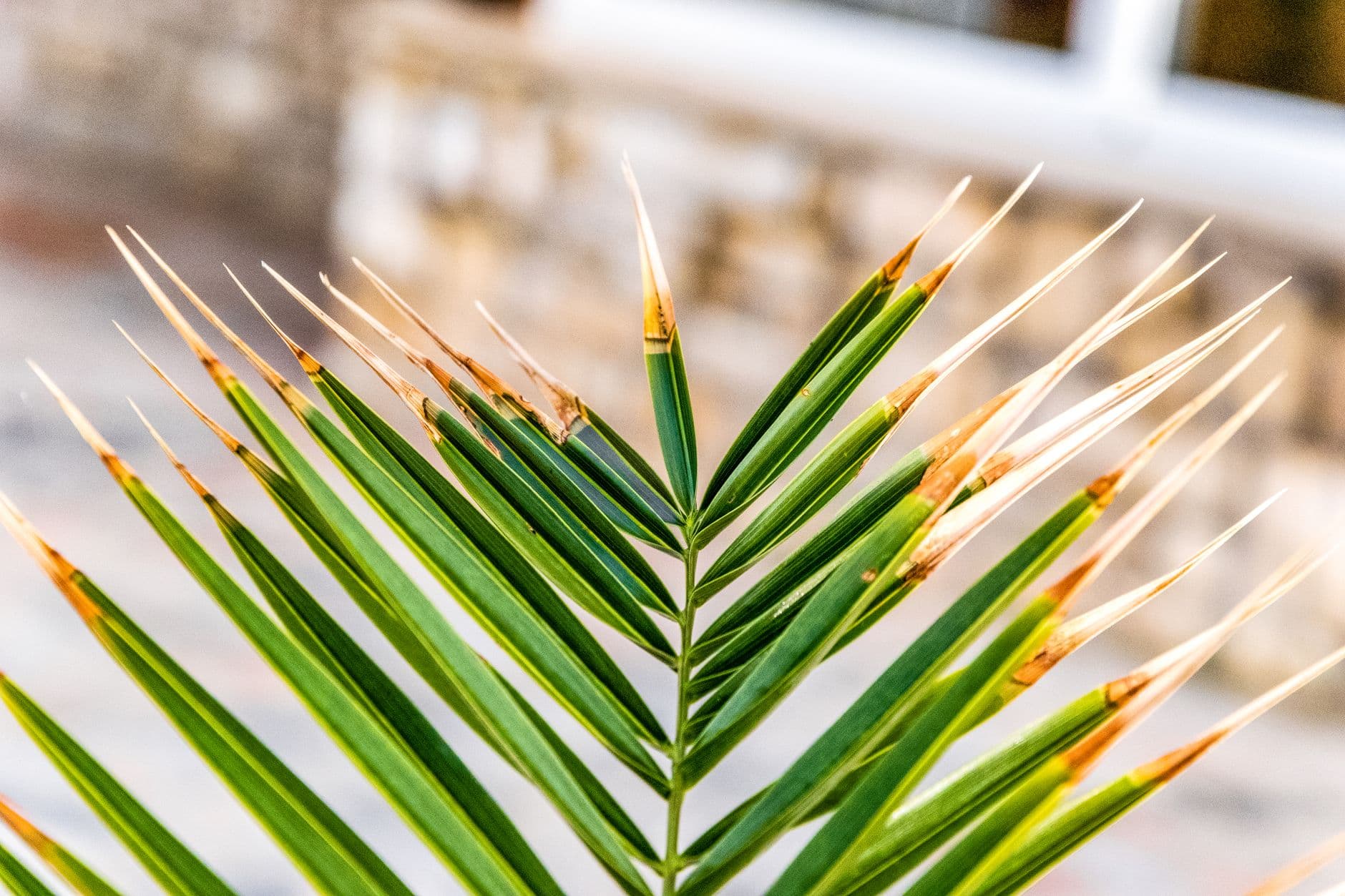 Diagnosing problems
Dry, Brown Leaf Tips: What They Mean
Dry, brown leaf tips often tell a story of air that's too dry, uneven watering or a build-up of salts. Here's how to read the symptom and put things right naturally.
Read the guide