
Houseplant Care: The Beginner's Guide
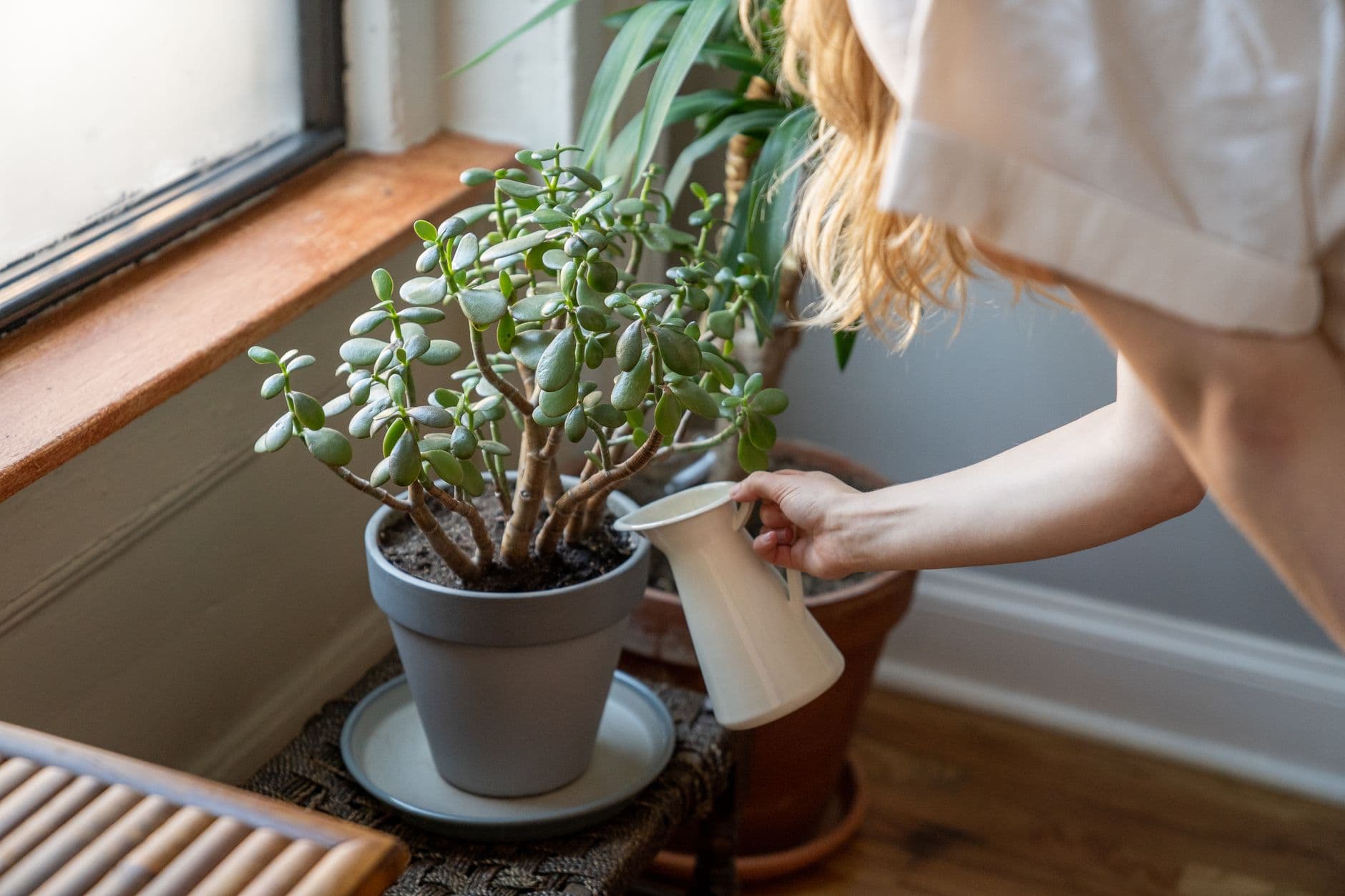
Photo by Kevin Malik
Buying your first plant is easy. Keeping it alive and healthy takes a few basics, and almost always those basics are simpler than you'd think. Most plants that die indoors don't suffer from a lack of green thumb, but from a couple of bad habits repeated over time: too much water, too little light, a pot with no holes. This guide gathers the essentials to get off on the right foot, understand what houseplants need, and recognise in advance the mistakes that put them most at risk.
What to know before buying a plant
The moment of purchase decides much of your success. Before you're tempted by a pretty leaf, stop and consider three questions.
How much light do I really have at home?
This is the most important factor and the most underrated. Look at the room where you want to keep the plant: a south-facing window gets many hours of direct sun, a north-facing one offers indirect, softer light. A sun-loving plant placed in a dark corner slowly declines, no matter how much care you give it.
How much time do I want to devote to it?
Some plants forgive forgetfulness (sansevieria, zamioculcas, pothos), others need more constant attention (ferns, calathea). If you travel often or know you're forgetful, start with the more tolerant species.
Is there anyone who might eat it?
If there are dogs, cats or small children at home, check the species' toxicity before buying. The ASPCA maintains a searchable list of plants that are toxic and non-toxic to dogs, cats and horses: it's the most reliable reference. Many common houseplants, such as pothos, philodendron and dieffenbachia, contain calcium oxalates that irritate animals' mouths and digestive tracts.
Finally, inspect the specimen in the shop: firm leaves of even colour, no suspicious spots or insects on the undersides of the leaves, potting soil that's neither soaked nor completely dry.
Light: the factor that matters most
Plants make their own food from light. Without the right intensity, any other care does little.
Understanding the different exposures
- Direct light: the sun hits the leaves with nothing in the way, typical of south-facing windows for many hours. Ideal for succulents and cacti.
- Bright indirect light: a bright spot but with no direct rays on the leaves, for example near a window screened by a light curtain. This is the condition most houseplants prefer.
- Low light: corners far from windows or north-facing rooms. Only a few tolerant species survive here, and even then they grow more slowly.
Signs of the wrong light
A plant getting too little light tends to stretch toward the window, with thin stems and widely spaced leaves (a phenomenon called etiolation). Conversely, faded, dried-out leaves or scorched edges can indicate too much direct sun on a species that doesn't tolerate it. Rotating the pot every week or two helps the plant grow evenly.
Want a care plan tailored to your plants?
Join the waitlist: species ID, diagnosis and the Gemma assistant, with the lifetime founder discount.
Water: better too little than too much
Overwatering is the leading cause of death for houseplants. Roots that are constantly submerged in wet soil can't breathe and rot, opening the door to fungi.
How to tell when to water
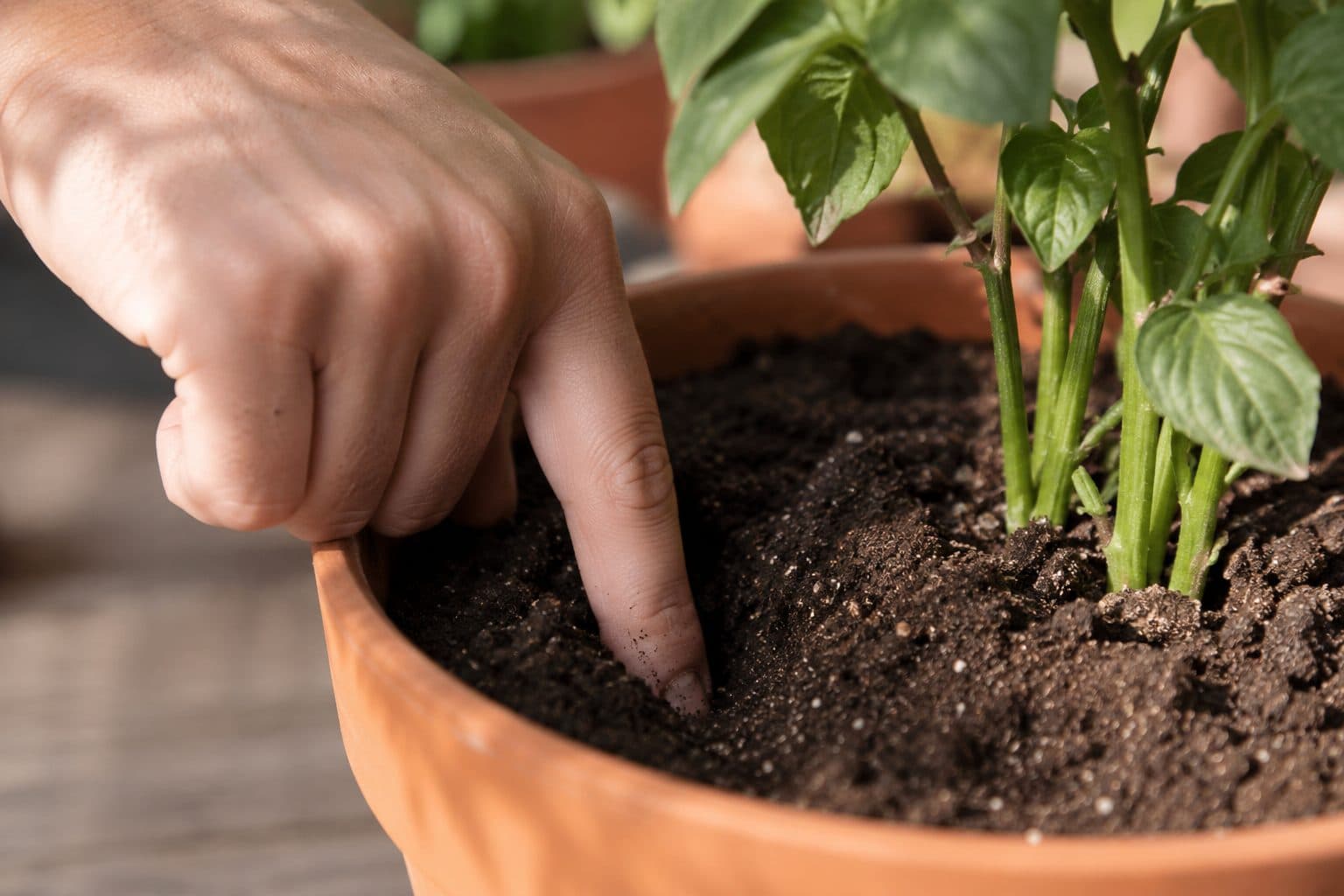
Forget a fixed schedule. Check the soil: poke a finger in two or three centimetres. If it's still moist, wait; if it's dry, for most plants it's time to water. Succulents want the substrate to dry out almost completely, ferns prefer to stay slightly moist.
How to water properly
Water generously until it runs out of the drainage holes, then empty the saucer after a few minutes: standing water is exactly what makes roots rot. In winter almost all plants slow their growth and use less water, so reduce the frequency.
Signs to read
Yellow, mushy leaves, soil that's always soggy and a smell of stagnant earth often signal too much water. Drooping leaves that are dry and crispy at the edges, on the other hand, indicate a lack of water. Learning to tell the two apart keeps you from making things worse by watering a plant that's already soaked.
Pot, potting soil and drainage
Roots need air as well as water, and this is where the container and the substrate come into play.
The drainage hole is not optional
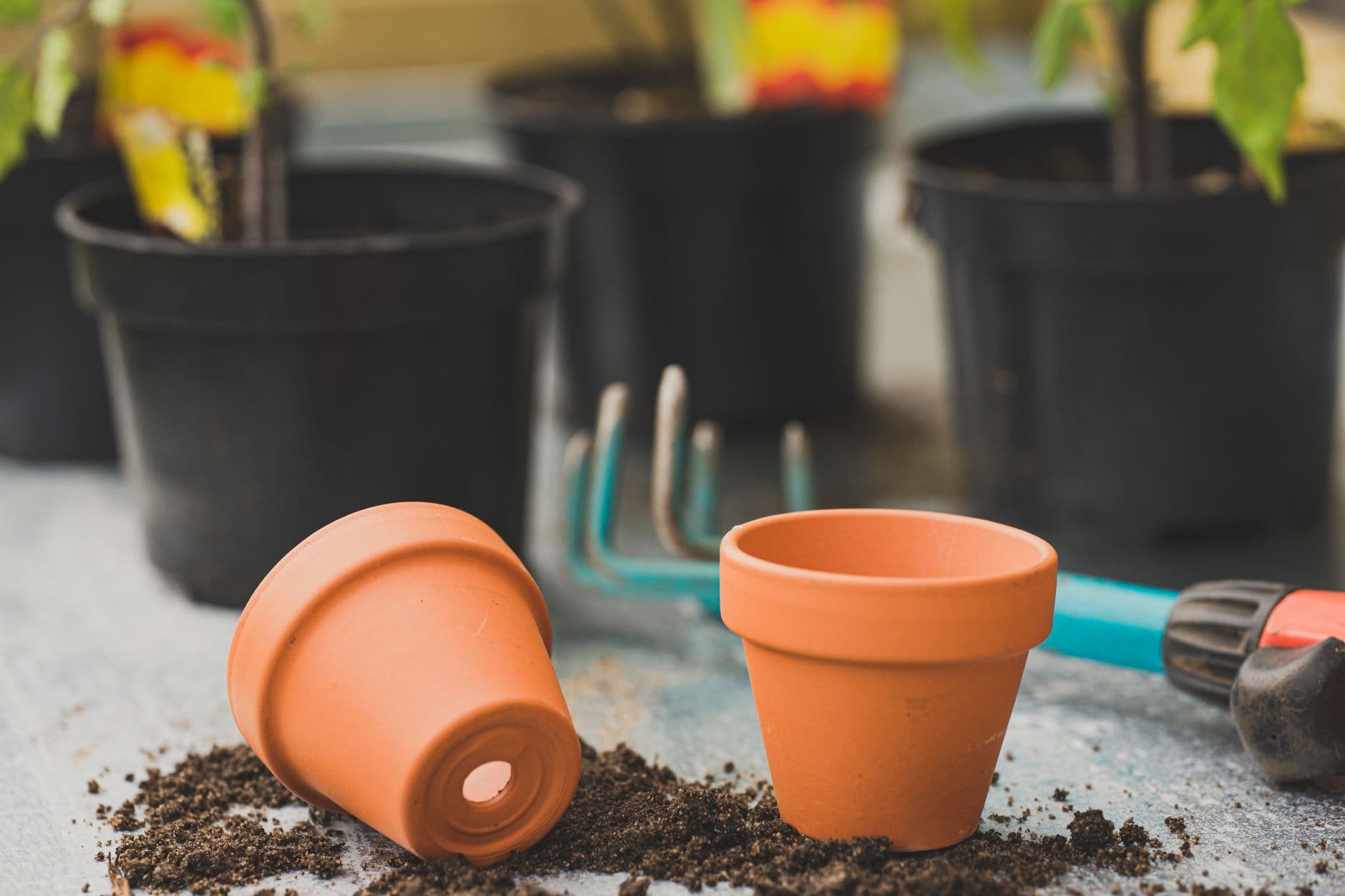
Always choose pots with one or more holes in the bottom. Without drainage, water stagnates and roots suffocate. Terracotta pots let the substrate breathe and dry out faster, useful for those who tend to overwater; plastic ones hold more moisture.
The right potting soil
A good-quality all-purpose potting soil works well for many foliage plants. Succulents and cacti need a sandier, more free-draining substrate, while epiphytic orchids live in bark and not in soil. A good potting mix stays soft and doesn't compact into a hard block.
Repotting
Repot when roots come out of the holes or completely fill the root ball, generally every one or two years, moving to a pot only slightly larger. A pot that's too big holds too much water around still-small roots. Spring is the best time, when the plant resumes growth.
Feeding, humidity and cleaning
Once light, water and pot are sorted out, a few touches remain that make the difference over the long run.
Feeding
Potted plants gradually deplete the nutrients in the potting soil. During the growing season (generally from spring to early autumn) you can feed them with organic products such as mature compost, worm castings or a diluted liquid organic fertiliser. Less and diluted is better than too much and concentrated: an excess of salts can burn the roots. In winter, when many plants are resting, stop or cut back.
Air humidity
Many tropical plants appreciate higher humidity than is typical in heated homes. Grouping them close together, resting the pots on a saucer with expanded clay and a little water (without the bottom of the pot touching the water) helps. Misting has a limited and short-lived effect.
Cleaning the leaves
Dust reduces the amount of light the leaves receive. Wipe broad leaves with a soft, damp cloth now and then: it's also a chance to check the undersides and spot any pests early.
To dig deeper, there are dedicated guides on how and when to fertilise houseplants and on air humidity and how effective misting really is.
The most common beginner mistakes
Almost all early failures fall into a few recurring categories.
- Overwatering or watering on a fixed schedule: the number one mistake. Always check the soil before watering.
- A pot with no drainage holes: a slow death sentence for the roots. If the decorative pot has no holes, keep the plant in an inner pot with holes that you can lift out to water.
- A spot with insufficient light: many plants languish in dark corners. Move them closer to a window.
- Sudden changes: moving a plant abruptly from shade into full sun, or exposing it to cold draughts near doors and radiators, stresses it. Transitions should be made gradually.
- Wanting to intervene too much: re-watering, feeding and repotting constantly does more harm than good. Often the best thing is to observe and let the plant get on with it.
How Greenkeep helps you avoid mistakes
Every species has different needs, and keeping track of light, watering frequency and feeding times for several plants soon gets complicated. Greenkeep generates a tailored care plan for your plant based on the species and the conditions in your home, with watering reminders and seasonal guidance. It's a good way to build the right habits while you gain experience.
Let AI tell you exactly what to do
Join the waitlist: species ID, diagnosis and the Gemma assistant, with the lifetime founder discount.
Frequently asked questions
The most tolerant species for someone starting from scratch are sansevieria, zamioculcas (ZZ) and pothos: they put up with less-than-ideal light and the occasional missed watering. Bear in mind that pothos and zamioculcas are toxic if ingested by pets, so check the ASPCA list if you have dogs or cats.
There's no fixed frequency that works for all of them. Check the soil by poking a finger in two or three centimetres: if it's dry, for most plants it's time to water; if it's still moist, wait. Needs change with the species, the season and the temperature of your home.
Yellowing has several possible causes. The most common ones among beginners are overwatering (yellow, soft leaves, soil that's always soggy) and, at the other extreme, a lack of water. Too little light or the natural turnover of old leaves can also turn them yellow. Weigh up the overall picture before acting.
No. Newly bought plants usually have potting soil already rich in nutrients and need to settle in first. Wait a few weeks and start feeding only during the growing season, with diluted organic products such as worm castings or liquid organic fertiliser, avoiding excessive doses.
Check the ASPCA list of toxic and non-toxic plants, the most reliable reference for dogs, cats and horses. Many common houseplants contain irritating calcium oxalates. If you suspect ingestion, contact a poison control centre or your vet immediately.
Sources
Related guides
 Plants & pets
Pet-Safe Houseplants for Cats and Dogs
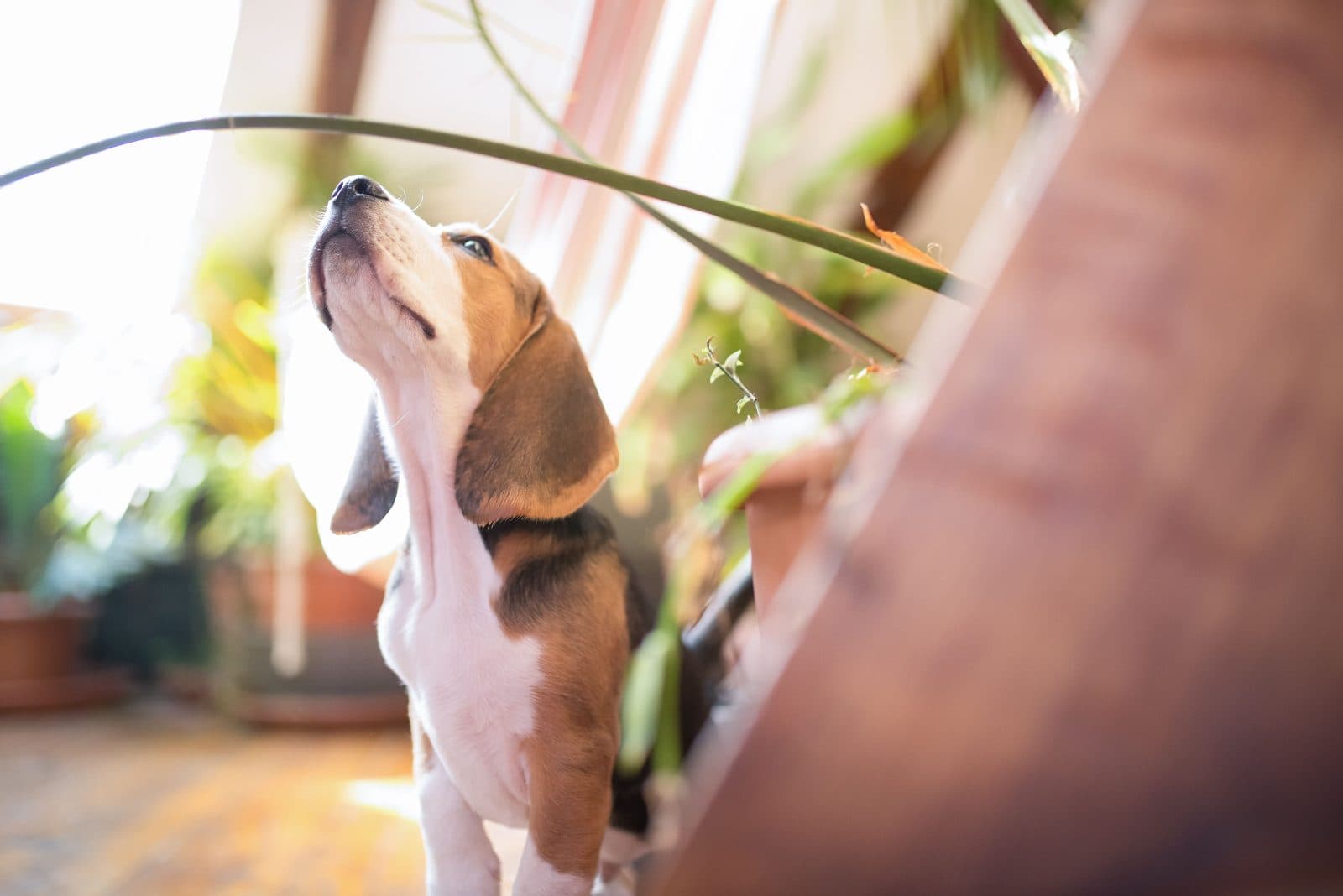
A practical guide to choosing non-toxic houseplants if you live with a cat or a dog, with the safest species and the behaviours to keep an eye on.
Read the guide Choosing & buying
Air-Purifying Houseplants: What the Science Really Says
Which plants actually improve the air in your home and what the research really says, somewhere between the NASA myth and reality. An honest list to help you choose well.
Read the guide Diagnosing problems
Dry, Brown Leaf Tips: What They Mean
Dry, brown leaf tips often tell a story of air that's too dry, uneven watering or a build-up of salts. Here's how to read the symptom and put things right naturally.
Read the guide