
Houseplants in Winter: Care and Radiators
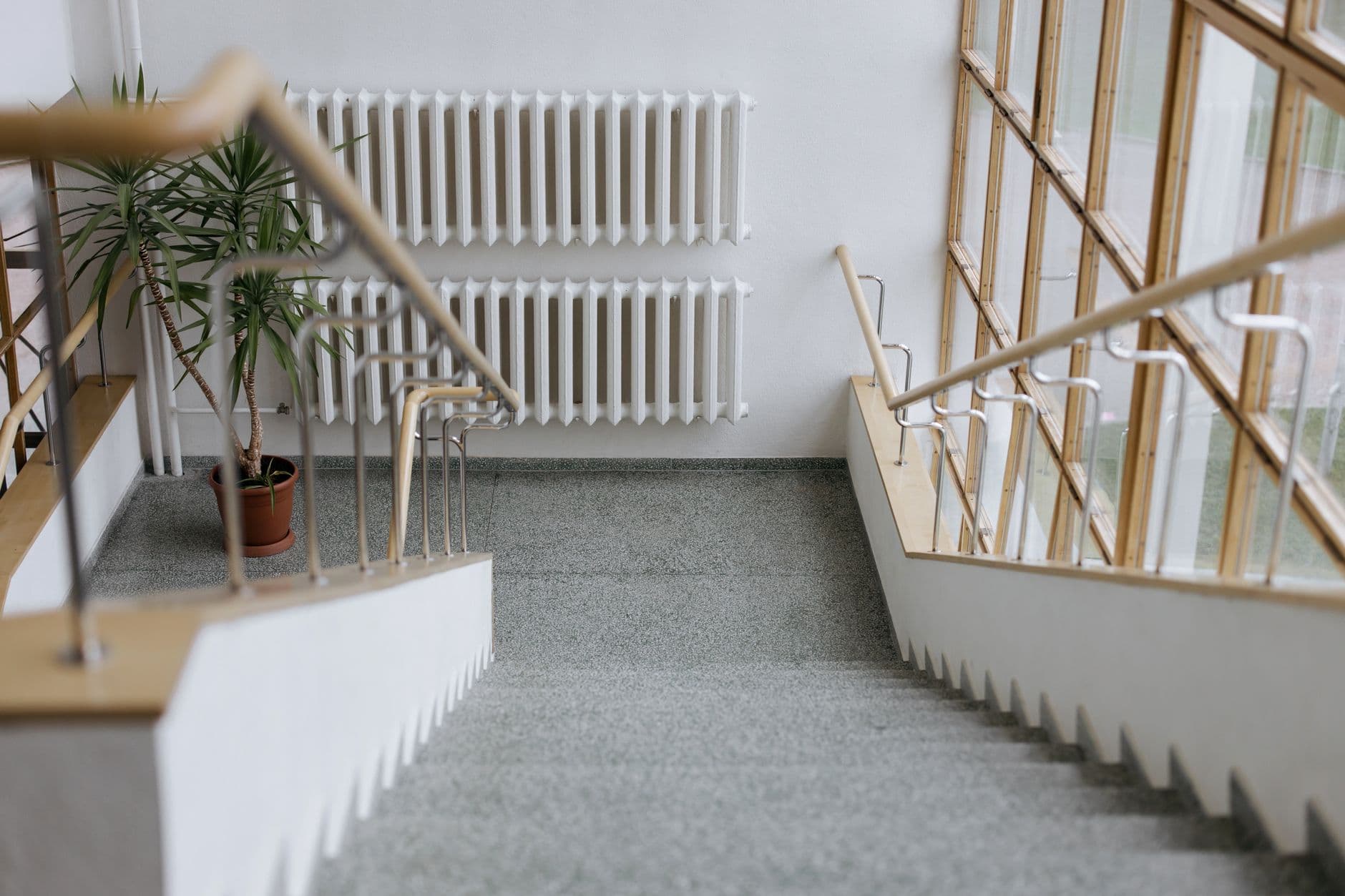
Photo by cottonbro studio
In winter, houseplants face two stresses at once: less light and short days on one side, and the hot, dry air created by radiators on the other. The result is a season in which many summer habits need rethinking. Watering at the same frequency, fertilising as if the plant were still growing, or leaving a pot in contact with a scorching radiator are among the most common mistakes at this time of year. The good news is that a few simple, entirely natural measures are all it takes to bring your plants through to spring in good shape.
What happens to plants in winter
As light decreases and temperatures drop, most houseplants slow down their metabolism. This is known as the vegetative rest period: it isn't true dormancy like that of certain bulbs or deciduous plants, but a phase in which growth stops or proceeds very slowly.
What changes in practice:
- The plant takes up less water because it transpires less and isn't producing new growth.
- It doesn't need extra nourishment, because it isn't building new leaves or roots.
- It's more sensitive to sudden changes: a cold draught from a window or the direct heat of a radiator weighs much more heavily than in summer.
Not all species behave the same way. Tropical foliage plants (such as pothos, monstera and philodendrons) slow down but remain fairly active if the home is warm and bright. Cacti and many succulents, on the other hand, enter a clear period of rest and should be watered very little during this time, a condition that often encourages flowering later in spring.
The radiator problem: dry air and direct heat
Home heating is the main winter hazard. It drastically lowers the air's humidity, which can drop to desert-like levels, while most tropical plants prefer fairly humid air.
The signs of air that's too dry
- Leaf tips and edges that dry out and turn brown.
- Leaves that curl up or look dull.
- Buds that drop before opening.
- An increased appearance of spider mites, a mite that thrives precisely in warm, dry environments.
What to do
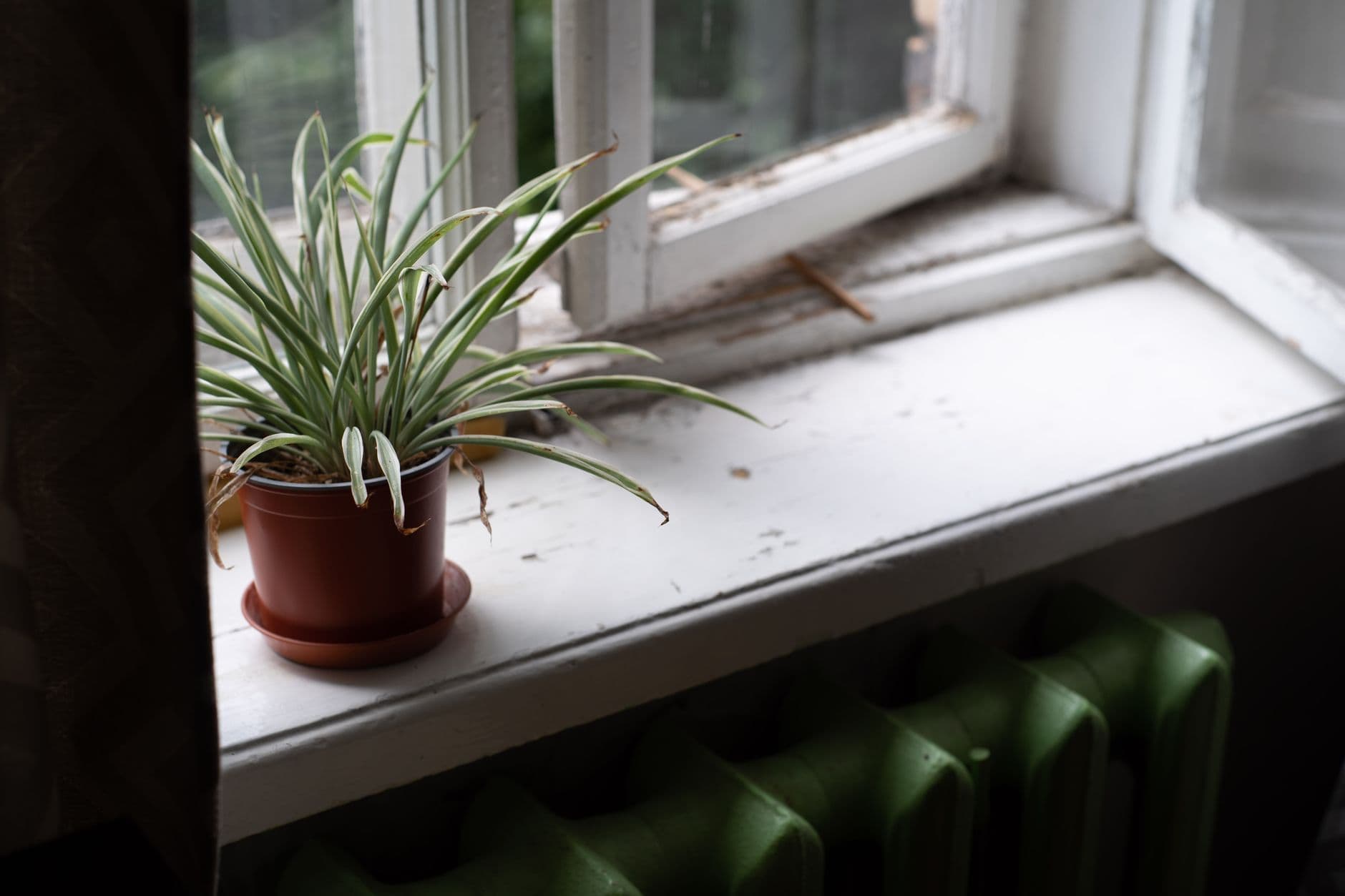
- Move pots away from radiators. Direct heat dries out the soil within a few hours and overheats the roots. Keep plants at least half a metre from any heat source, and never on top of or resting against a hot radiator.
- Increase humidity sensibly. A wide saucer filled with expanded clay and a thin layer of water (the pot sits on top of the clay, not submerged) creates a more humid microclimate through evaporation. Grouping several plants close together also helps.
- Use a humidifier if you have many tropical plants in a heated room: it's the most effective remedy.
- Misting the leaves provides only very brief relief and, on hairy leaves like those of African violets, can encourage spotting. It's better to focus on the humidity of the room itself.
Also avoid placing plants near doors leading outside or windows with draughts: sudden cold air is just as harmful as dry heat.
Want a care plan tailored to your plants?
Join the waitlist: species ID, diagnosis and the Gemma assistant, with the lifetime founder discount.
How much and how to water in winter
In winter there's one golden rule: water less often, but when you do, water thoroughly. With growth at a standstill, the roots take up water slowly, and constantly damp soil becomes the ideal breeding ground for root rot and fungus gnats.
How to judge it without a fixed schedule
Forget "once a week": at this time of year what matters is the real state of the soil.
- Push a finger into the substrate to a depth of 3-4 cm. If it's still damp, wait.
- For many tropical foliage plants, let the top 2-3 cm dry out before watering again.
- For succulents and cacti, reduce watering to a minimum: often once every 3-4 weeks or even less is enough, depending on the room temperature.
- Use water at room temperature, never cold straight from the tap.
Watch out for the radiator factor: a plant kept in a very warm room can dry out faster than you'd think, while one left in a cool, dimly lit room stays damp for a long time. This is why observation beats any rigid rule.
Always empty the saucer after watering: standing water is one of the leading causes of root rot in winter.
In summer the needs flip: more heat means more water, plus managing time away, as we explain in houseplants in summer.
Fertiliser and light: what to pause and what to tend to
Fertiliser: pause it or cut back sharply
If the plant isn't growing, it doesn't need feeding. Fertilising during the rest period means a build-up of salts in the soil that the roots can't process, with the risk of root burn. For most plants it's best to stop fertilising from late autumn until the first new shoots appear in spring. If your home is very warm and bright and the plant is clearly still growing, you can continue with halved, spaced-out doses, using an organic fertiliser.
Light: the scarcest resource
Short days drastically reduce the available light. A few tips:
- Move plants closer to the brightest windows (south- or west-facing), while being careful of the cold draughts from the glass at night.
- Clean the windows and dust the leaves: even dust reduces photosynthesis.
- Rotate the pots now and then so plants grow straight towards the light.
- A grow light can help in darker rooms, especially for plants that are visibly struggling.
Less light also means less water is needed: the two factors should always be considered together.
Plants that tolerate dry heat better
No plant likes the direct heat of a radiator, but some cope better than others with the dry air typical of heated homes. These are generally species used to arid environments or that are very hardy.
Among the most tolerant:
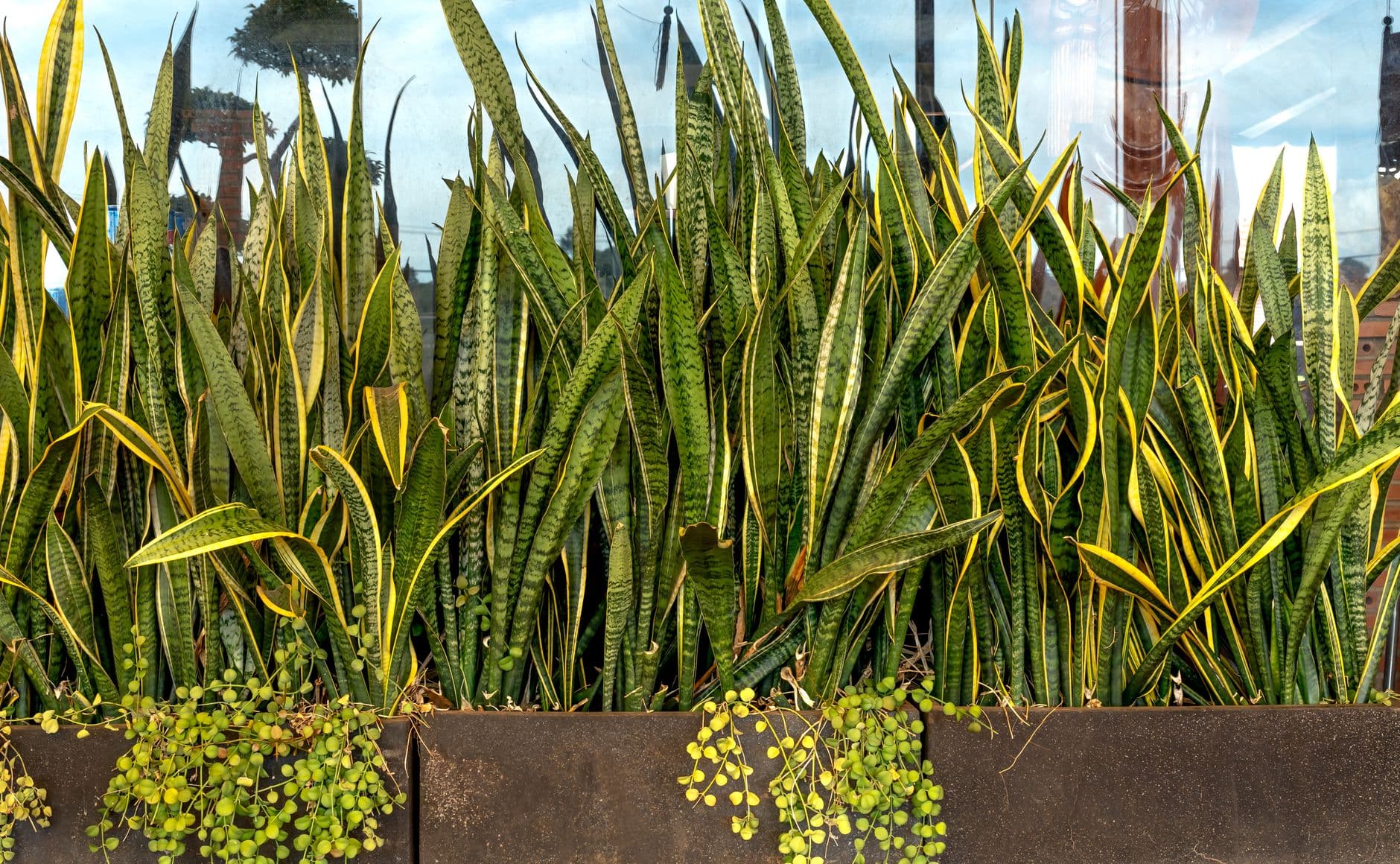
- Sansevieria (Dracaena trifasciata): extremely tough, it withstands dry air and infrequent watering.
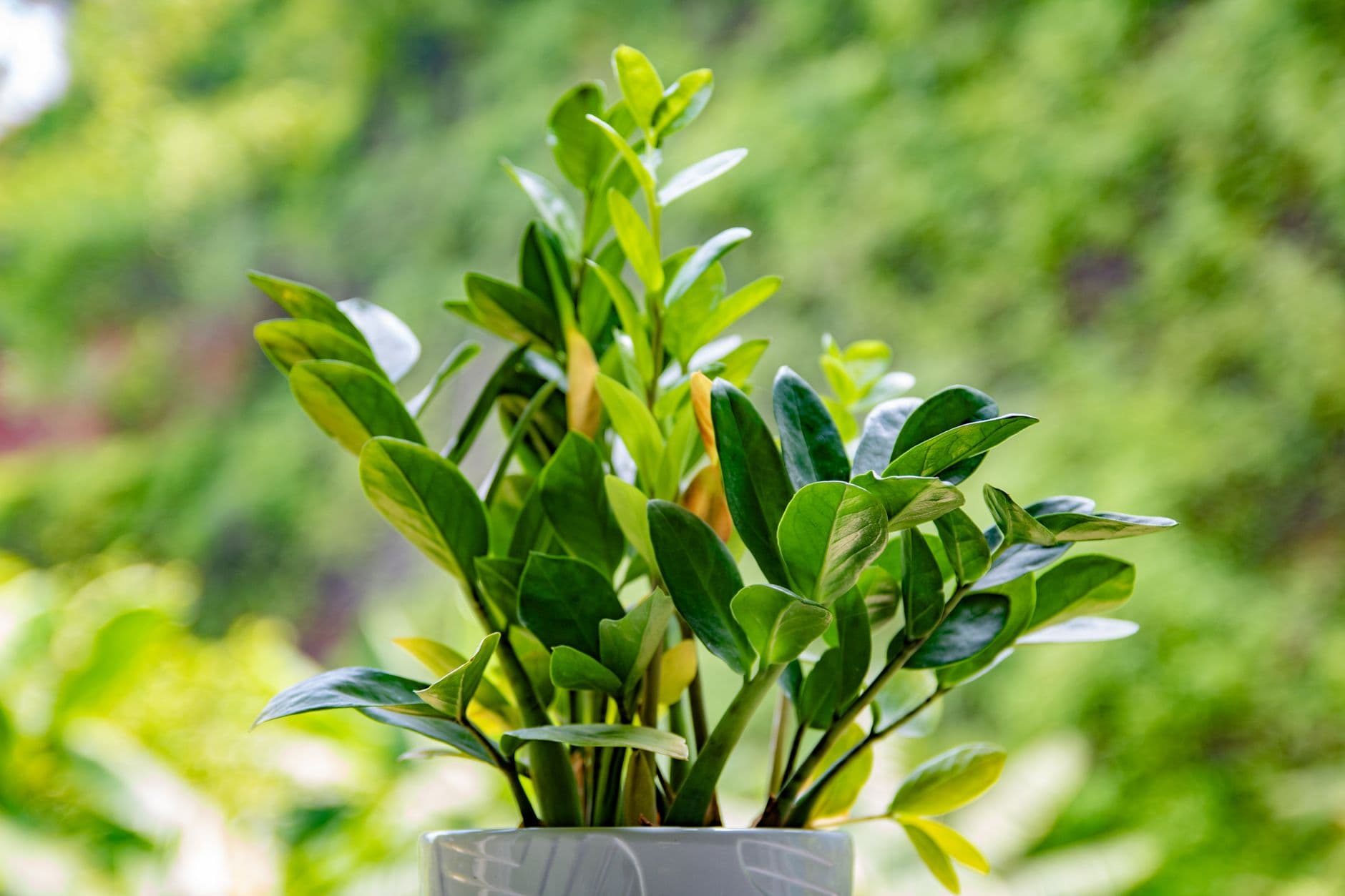
- Zamioculcas (Zamioculcas zamiifolia): tolerates dryness and low light.
- Cacti and many succulents: built for dry conditions, in winter they still want to stay away from direct heat and almost completely dry.
- Aspidistra (Aspidistra elatior): historically valued precisely because it endures difficult conditions.
- Pothos (Epipremnum aureum): adaptable, although it appreciates a little humidity.
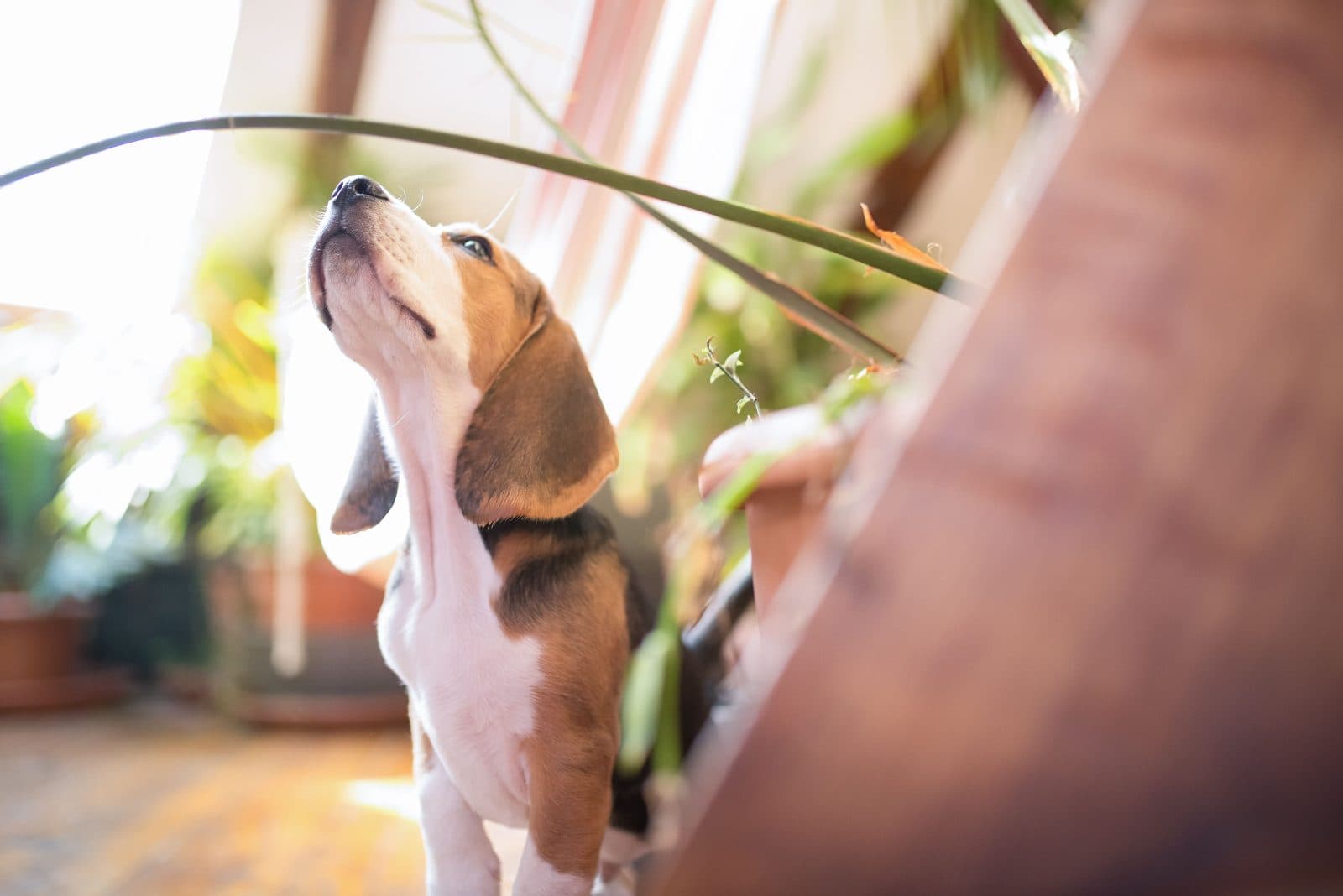
A word of caution on safety: heat tolerance doesn't mean non-toxicity. Sansevieria, zamioculcas and pothos are classified as toxic to dogs and cats by the ASPCA if ingested. If you have pets at home, keep these plants out of reach or go for non-toxic species such as kentia palm, calathea or maranta.
The more delicate species (ferns, calatheas, some orchids) stay beautiful in winter too, but they need to be kept away from radiators and in a humid environment.
How Greenkeep helps you manage winter
The main risk in winter is carrying on with summer habits without realising it. Here a fixed reminder does more harm than good: if the app reminds you to water every five days as it did in July, you end up soaking soil that stays damp for too long.
Greenkeep recalibrates reminders according to the season: as the cold months arrive it spaces out watering alerts and suggests pausing or reducing fertiliser during the vegetative rest, so you follow the plant's real rhythm rather than a rigid calendar. You can still note when the soil is still damp and postpone, because direct observation always remains the point of reference. It's a simple way to avoid the two most common winter mistakes, too much water and too much fertiliser, and to reach spring with plants ready to start growing again.
Let AI tell you exactly what to do
Join the waitlist: species ID, diagnosis and the Gemma assistant, with the lifetime founder discount.
Keep reading
Frequently asked questions
It's best not to. Direct heat dries out the soil within a few hours, overheats the roots and lowers the humidity around the leaves. Keep pots at least half a metre from any heat source and never place them on top of a hot radiator. If you have no alternative, increase humidity with a saucer of expanded clay and water, and check the soil far more often.
There's no fixed frequency: it depends on the species, the room temperature and the light. In general you water less often than in summer. Check the soil with a finger and only water when the top 2-3 cm are dry. For cacti and succulents the interval can stretch to several weeks. Always empty the saucer after watering.
Usually not. During the rest period the plant isn't growing and can't use the nourishment, which builds up in the soil and risks burning the roots. Stop fertilising from late autumn until the first spring shoots appear. Only if your plant is clearly still growing in a warm, bright home can you continue with halved doses of organic fertiliser.
The typical signs are leaf tips and edges that dry out and turn yellow, curled or dull leaves, dropping buds and an increased appearance of spider mites, a mite that thrives in dry heat. The solution is to move the plant away from radiators and increase the room's humidity, for example with a humidifier or a saucer of expanded clay.
In winter, yellowing is often linked to overwatering on soil that dries slowly, or to stress from dry air and low light. Reduce watering, make sure there's no standing water in the saucer and move the plant closer to a light source. If the yellowing is widespread and persistent, it's worth looking into the possible causes more closely.
Sources
Related guides
 Plants & pets
Pet-Safe Houseplants for Cats and Dogs
A practical guide to choosing non-toxic houseplants if you live with a cat or a dog, with the safest species and the behaviours to keep an eye on.
Read the guide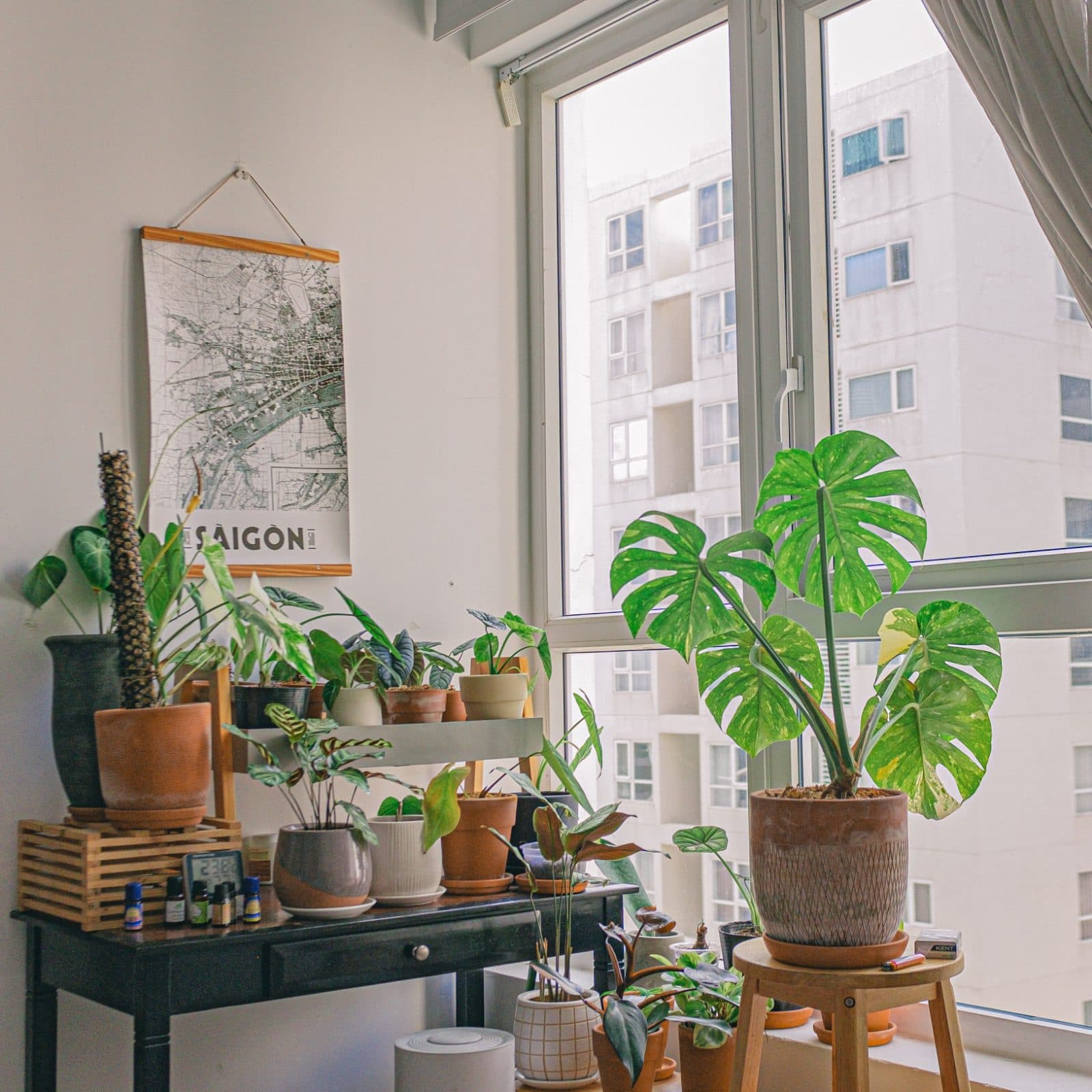 Choosing & buying
Air-Purifying Houseplants: What the Science Really Says
Which plants actually improve the air in your home and what the research really says, somewhere between the NASA myth and reality. An honest list to help you choose well.
Read the guide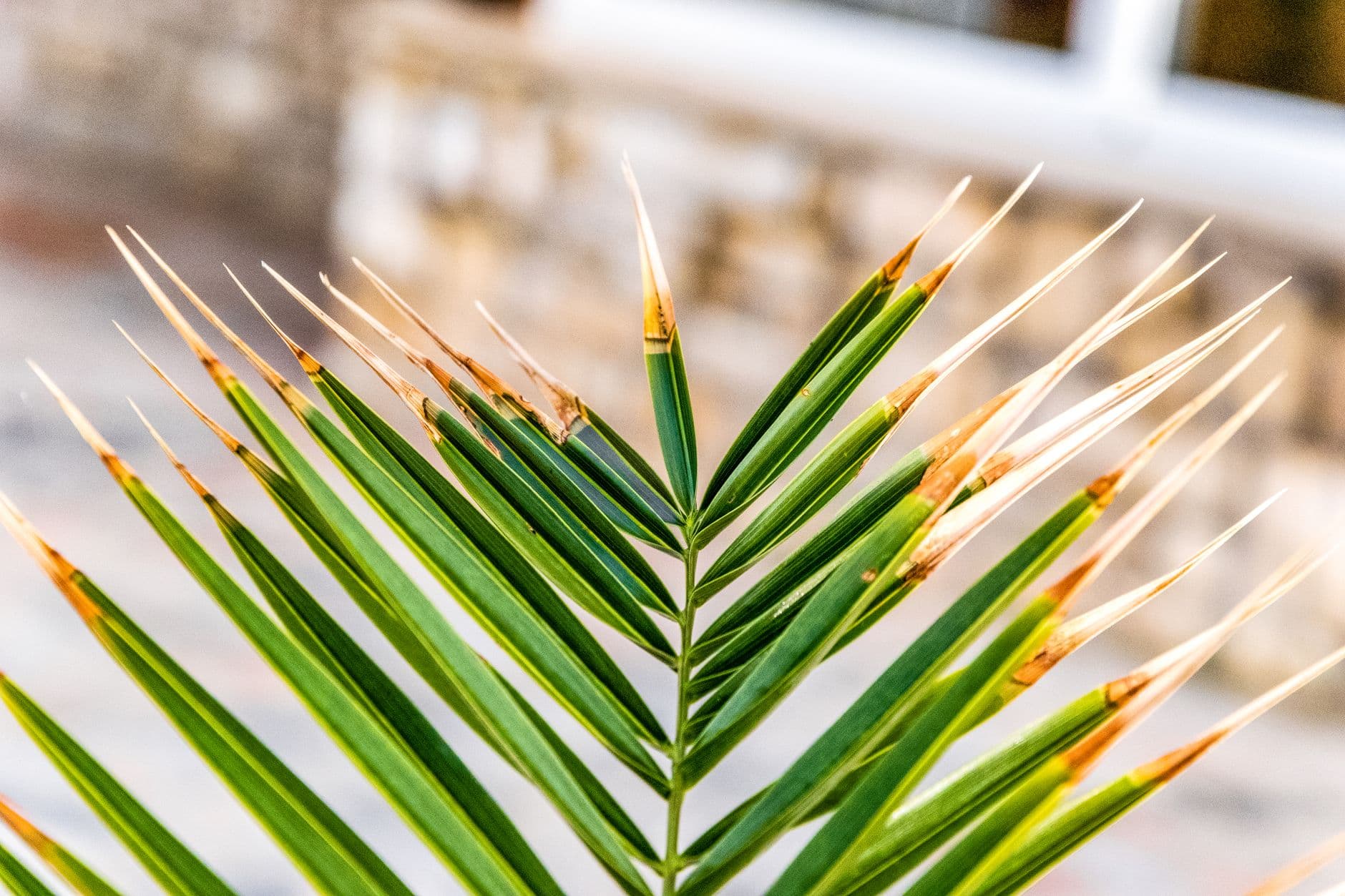 Diagnosing problems
Dry, Brown Leaf Tips: What They Mean
Dry, brown leaf tips often tell a story of air that's too dry, uneven watering or a build-up of salts. Here's how to read the symptom and put things right naturally.
Read the guide