
Air-Purifying Houseplants: What the Science Really Says
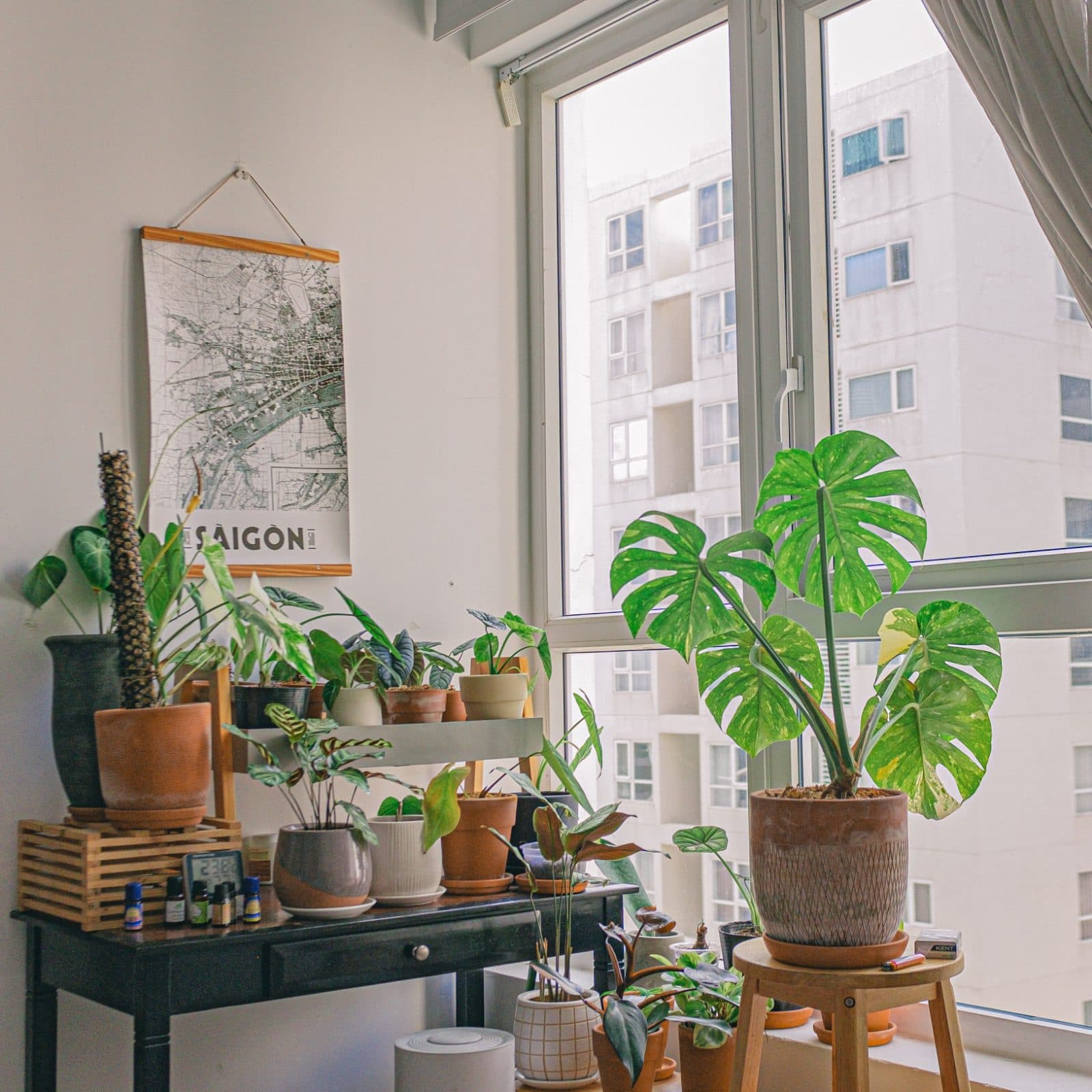
Photo by Huy Phan
Search the internet for "air-purifying plants" and you'll find enthusiastic lists promising to magically eliminate toxins, smoke and formaldehyde. The truth is more nuanced and, to be honest, more interesting. Plants are good for the home, but their real effect on air quality is often overstated. In this article we separate the facts from the marketing promises, explain where the famous NASA study comes from and give you a list of easy-care species that are worth having at home anyway, if only for the pleasure of looking at them.
What the NASA study really says (and what it doesn't)
Almost every list about "toxin-eating" plants traces back to a 1989 NASA study. The agency was investigating how to recycle air in closed, sealed environments, like those of a future space station. The experiments showed that some plants, together with the microorganisms in the potting soil, were able to reduce the concentration of compounds such as formaldehyde, benzene and trichloroethylene.
The crucial point, often forgotten, is the context: the tests were carried out in airtight, small-volume test chambers, not in a real home. A normal room has doors, windows, drafts and a continuous exchange of air that completely changes the numbers.
More recent follow-up studies have tried to estimate the effect in realistic settings, and the conclusion is clear: to clean the air of a living room you would need hundreds, in some calculations thousands, of plants (on the order of 10 to 1000 per square metre) to achieve the same effect as opening a window for a few minutes. To put it bluntly: one or two plants on the windowsill do not measurably purify the air in your home.
This doesn't mean plants are useless. They improve local humidity, reduce perceived stress and make spaces more pleasant. They simply need to be chosen for what they are, not for a promise that science doesn't support.
The most effective way to get cleaner air
Before filling your home with pots, it's worth recalling what really works for indoor air quality. It's less glamorous than plants, but it's honest.
- Ventilate every day: opening the windows for a few minutes, even in winter, is the quickest way to lower excess humidity and volatile compounds.
- Reduce the sources of pollution: paints, glues, spray air fresheners, scented candles and cigarette smoke are the real sources of unwanted substances.
- Keep an eye on humidity: rooms that are too humid encourage mould; too dry (typical when the radiators are on) irritate the airways.
Plants fit in here as a complement, not a substitute. A room with a few well-cared-for plants is more pleasant and humid at just the right level, but air exchange remains irreplaceable.
Want a care plan tailored to your plants?
Join the waitlist: species ID, diagnosis and the Gemma assistant, with the lifetime founder discount.
The most worthwhile species to have at home
These plants appear frequently in "purifying" lists and, marketing aside, have a real merit: they are tough, tolerant and suitable even for beginners. The notes follow sources such as RHS and the Missouri Botanical Garden.
Sansevieria (Dracaena trifasciata)
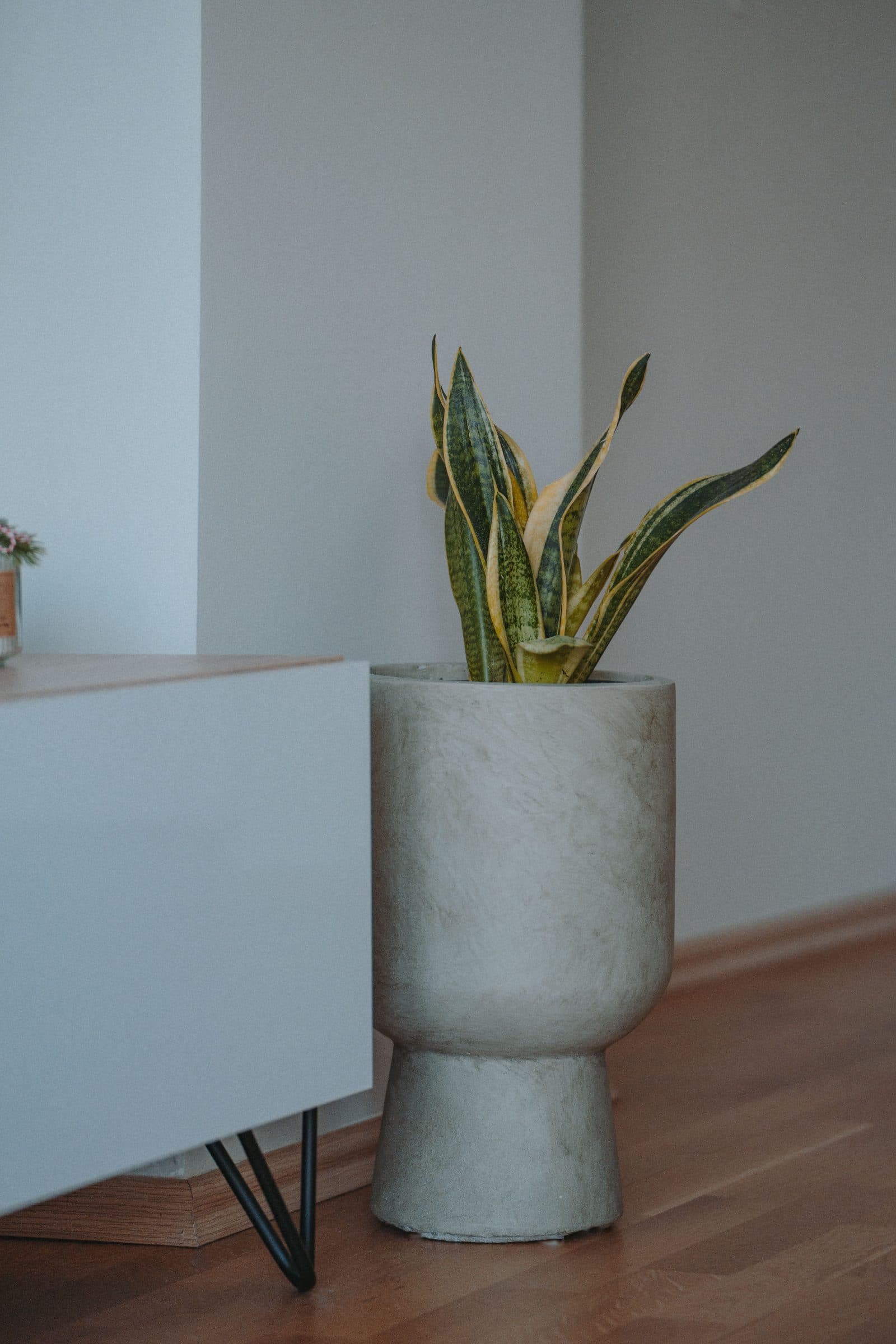
It is the queen of lists on this topic. Does sansevieria purify the air? In sealed-chamber experiments it showed some ability to absorb volatile compounds, but at home the effect is negligible. It remains an excellent plant nonetheless: it tolerates low light, few waterings and is almost indestructible. Note: according to the ASPCA it is toxic to dogs and cats if ingested.
Pothos (Epipremnum aureum)
Very easy, it grows in a pot or trailing and tolerates many mistakes. Also toxic to pets according to the ASPCA.
Peace lily (Spathiphyllum)
It likes shade and flowers even with little light. Toxic to dogs and cats.
Spider plant (Chlorophytum comosum)
One of the few on the list classified as non-toxic to dogs and cats by the ASPCA, so suitable for those who live with animals. It propagates very easily.
Boston fern (Nephrolepis exaltata)
It loves humidity and is great in bright bathrooms. Non-toxic according to the ASPCA.
If you live with animals, choose carefully and take a look at our guide to pet-safe plants for cats and dogs.
If you're not sure which plant is really for you, start from how to choose the right plant for your space.
"Smoke-eating plants" and the fight against formaldehyde: let's set the record straight
The expression "smoke-eating plants" is pure marketing. No houseplant neutralises cigarette smoke in a lived-in room: the particulates and compounds in smoke settle on walls, fabrics and the leaves themselves far faster than plants can do anything about it. The only strategy that works is not smoking indoors and ventilating.
When it comes to formaldehyde the story is similar. This compound is released by chipboard furniture, glues, some fabrics and cleaning products. In laboratory experiments several plants (including pothos and sansevieria) reduced formaldehyde in a closed environment, but in a real home, with its continuous air exchange, a handful of pots doesn't shift the values appreciably.
If you're worried about formaldehyde, it makes far more sense to choose low-emission furniture, let new furnishings "off-gas" and ventilate well. Plants remain a pleasant side dish, not the solution.
Bedroom plants: what to choose
An old fear says that plants in the bedroom "steal oxygen" at night. It's a myth: at night plants do consume oxygen through respiration, but in tiny amounts, far less than a person would, so there's no risk whatsoever.
For the bedroom it's best to go for plants that need little care and tolerate light that isn't always abundant:
- Sansevieria: perfect for dim corners and for those who water rarely.
- Pothos: it adapts well even on a high shelf.
- Peace lily: it likes the filtered light typical of many bedrooms.
If small children or pets sleep in the bedroom, remember that sansevieria, pothos and peace lily are toxic if ingested: it's better to place them out of reach or go for the spider plant, which is among the non-toxic species. In case of suspected ingestion, contact a poison control centre or the vet.
A practical detail in winter: keeping plants too close to radiators dries out the air and stresses the leaves. Move them slightly and keep an eye on humidity.
From the list to the care: how Greenkeep helps you
Choosing the right plant is only the first step. The real challenge comes afterwards: remembering when to water, understanding how much light it needs, noticing in time if something is wrong.
With Greenkeep you can start from exactly a list like this one: you identify the species you're interested in, add it to your collection in the app and receive a ready-made care plan, tailored to that plant. No more doubts about "how often do I water it" or why the leaves are turning yellow.
It's the simplest way to go from good intentions ("I want more greenery at home") to plants that genuinely stay healthy over time, without relying on generic rules that don't take into account your home and your habits.
Let AI tell you exactly what to do
Join the waitlist: species ID, diagnosis and the Gemma assistant, with the lifetime founder discount.
Keep reading
Frequently asked questions
In the lab, inside sealed chambers, some plants reduce certain volatile compounds. In a real home, with normal air exchange, the effect is negligible: you would need hundreds or even thousands of plants to match opening a window. Plants improve the environment in other ways, but they don't replace ventilation.
Sansevieria (Dracaena trifasciata) showed some ability to absorb volatile compounds in closed-environment experiments, but at home the real effect is minimal. It remains an excellent plant nonetheless because it is tough and requires very little care. Remember that according to the ASPCA it is toxic to dogs and cats if ingested.
No plant appreciably eliminates cigarette smoke or formaldehyde in a lived-in room. These are marketing expressions. What works against both is ventilating, removing the sources (not smoking indoors, choosing low-emission furniture) and letting new furnishings off-gas.
No. The idea that plants "steal oxygen" at night is a myth: their nighttime consumption is minimal, far lower than that of a person in the room. You can keep them without any problem, just being careful to place toxic species out of the reach of children and pets.
Many species from the classic lists (sansevieria, pothos, peace lily) are toxic to animals according to the ASPCA. Among the safe alternatives are the spider plant (Chlorophytum comosum) and the Boston fern (Nephrolepis exaltata), both classified as non-toxic.
Sources
Related guides
 Plants & pets
Pet-Safe Houseplants for Cats and Dogs
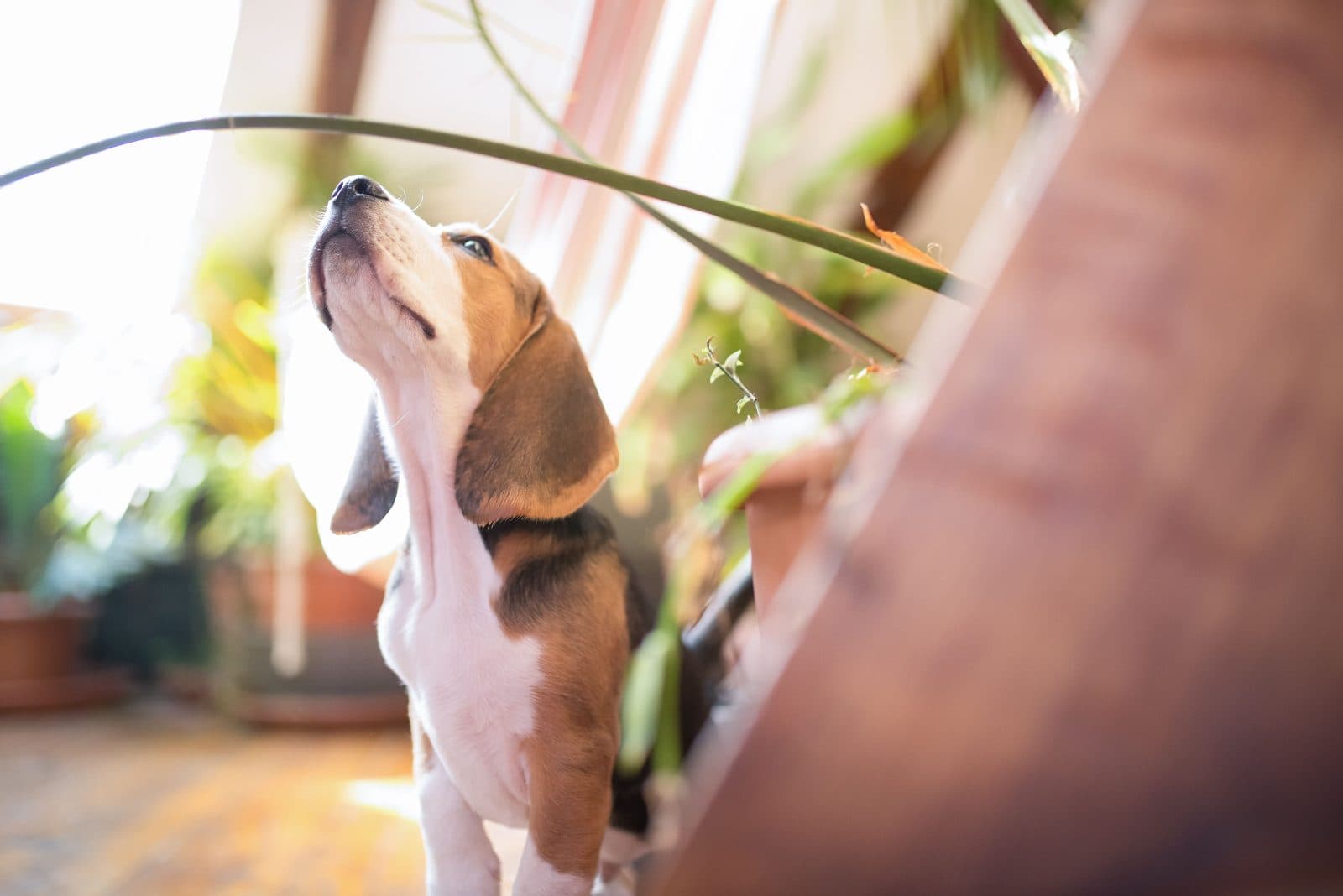
A practical guide to choosing non-toxic houseplants if you live with a cat or a dog, with the safest species and the behaviours to keep an eye on.
Read the guide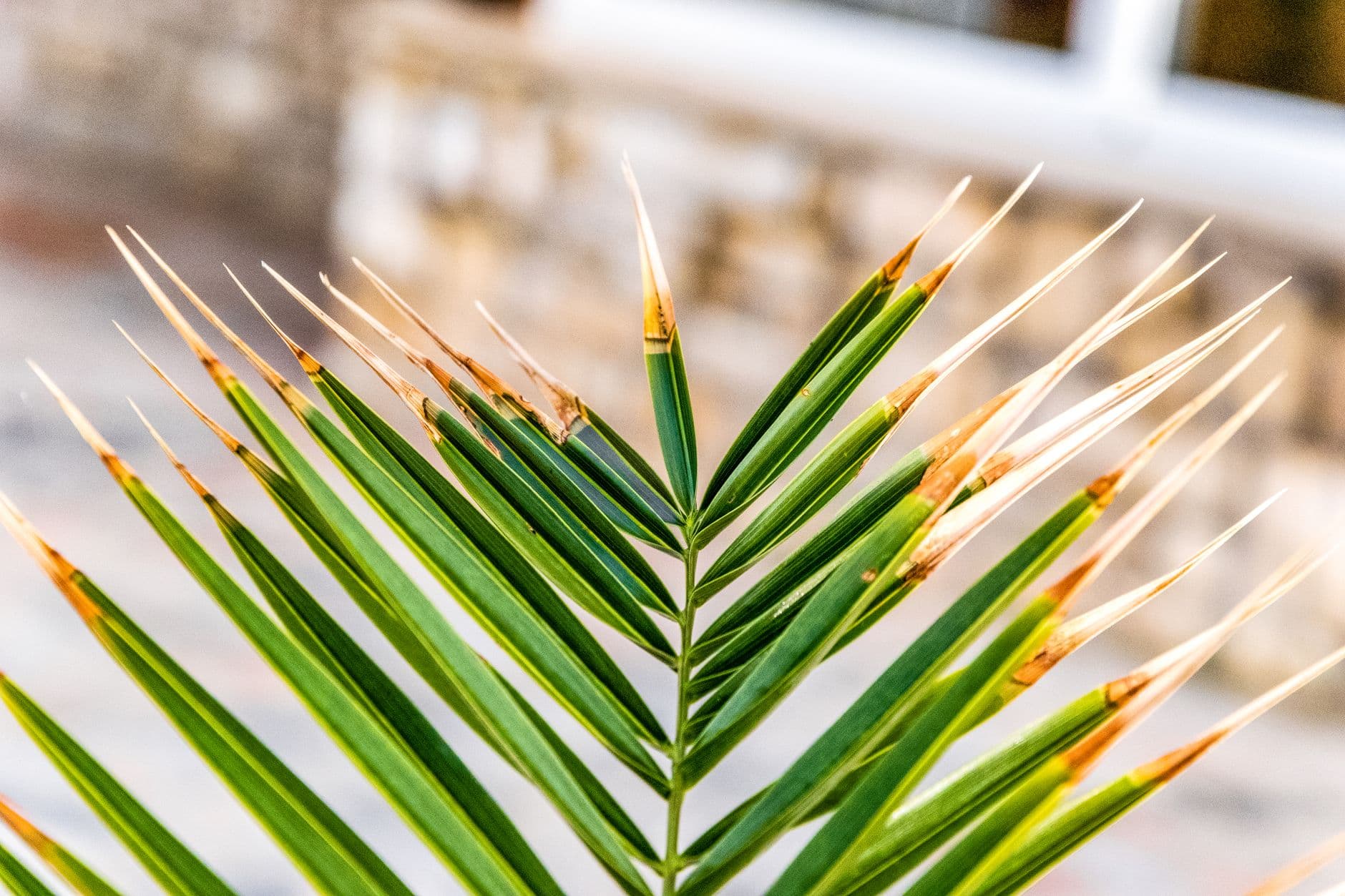 Diagnosing problems
Dry, Brown Leaf Tips: What They Mean
Dry, brown leaf tips often tell a story of air that's too dry, uneven watering or a build-up of salts. Here's how to read the symptom and put things right naturally.
Read the guide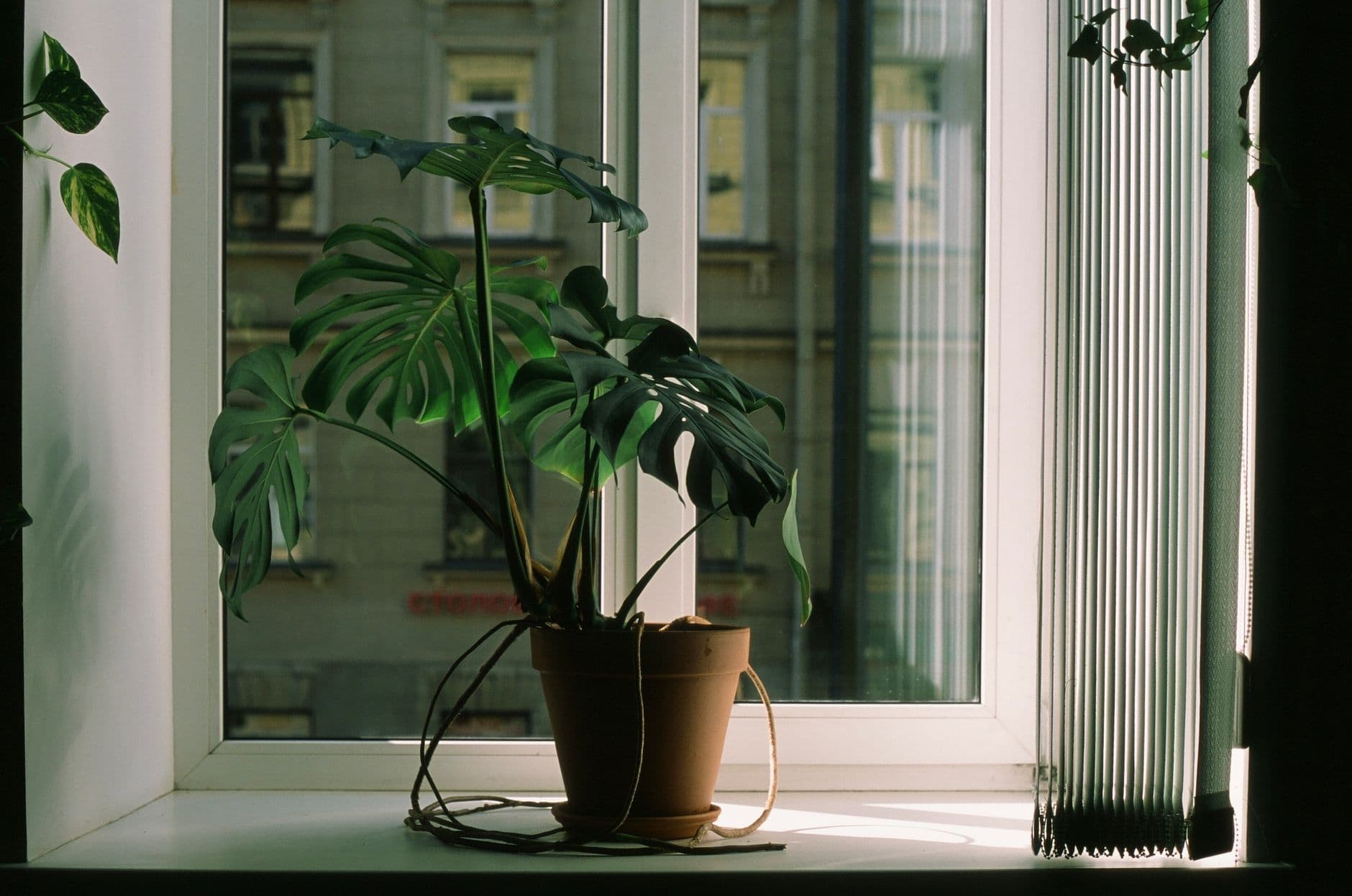 Diagnosing problems
Limp, Drooping Leaves: Too Much or Too Little Water?
Limp, drooping leaves can be caused by both too much and too little water. Here's how to tell the two cases apart and how to step in without harming the plant.
Read the guide