
Pet-Safe Houseplants for Cats and Dogs
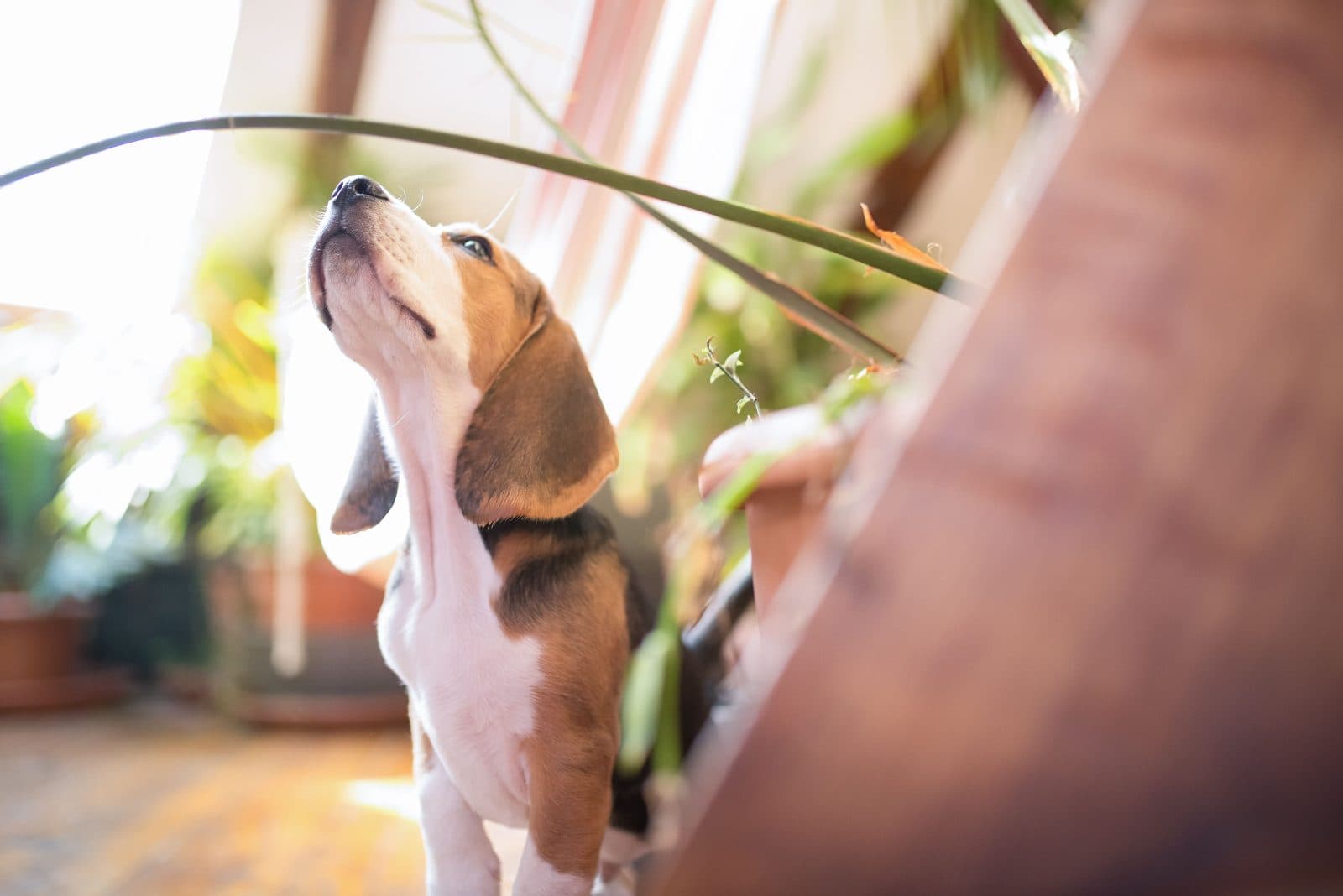
Photo by Kampus Production
Anyone who lives with a dog or a cat knows that every new plant in the house sooner or later becomes an object of curiosity. Cats climb onto shelves and nibble slender leaves, dogs explore with their mouth whatever they find at floor level and sometimes dig in the soil: two different ways of approaching plants that lead to exactly the same problem.
The good news is that there are plenty of non-toxic houseplants, beautiful and easy to care for, that you can fill your home with worry-free. In this guide we use the ASPCA classification as our main reference, the most widely cited authority on toxicity for pets, and we help you understand which species to choose and which habits to adopt, taking both cats and dogs into account.
What "non-toxic plant" really means
"Non-toxic" doesn't mean edible, nor harmless in every circumstance. The ASPCA classifies as non-toxic those plants that, according to the available evidence, do not cause significant poisoning in cats and dogs. It's still possible, however, for an animal that chews a lot of leaves to suffer passing gastrointestinal upset, such as vomiting or drooling, simply because its digestive system isn't built for that kind of plant fibre.
It's worth keeping a few points in mind:
- Toxicity relates to the precise botanical species. The common name is often ambiguous: "lily," for example, refers to very different plants, some of them severely toxic to cats. That's why it's always best to identify a plant by its scientific name.
- Even a non-toxic plant can cause problems if treated with chemicals. Avoid pesticides and synthetic fertilisers on plants within reach of animals, and favour organic methods.
- Potting soil and decorative objects (pebbles, fertiliser sticks) can be swallowed and cause trouble regardless of the plant itself.
- The same plant can matter very differently depending on the animal you live with. True lilies (Lilium) and daylilies (Hemerocallis) are the clearest example: in cats they can cause acute kidney failure even in small amounts, while in dogs they usually cause only mild gastrointestinal upset.
- With plants that are simply irritants, how serious it gets depends on how much is swallowed: the same mouthful weighs differently on a large dog than on a puppy or a cat.
If you're unsure about the identity of a plant you already own, Greenkeep's species identification feature helps you recognise it and flags with a specific indication whether it's considered pet-safe.
The safest houseplants to choose
All the species below are classified by the ASPCA as non-toxic to both dogs and cats, and they're among the most common and easy to manage at home.
Green and easy
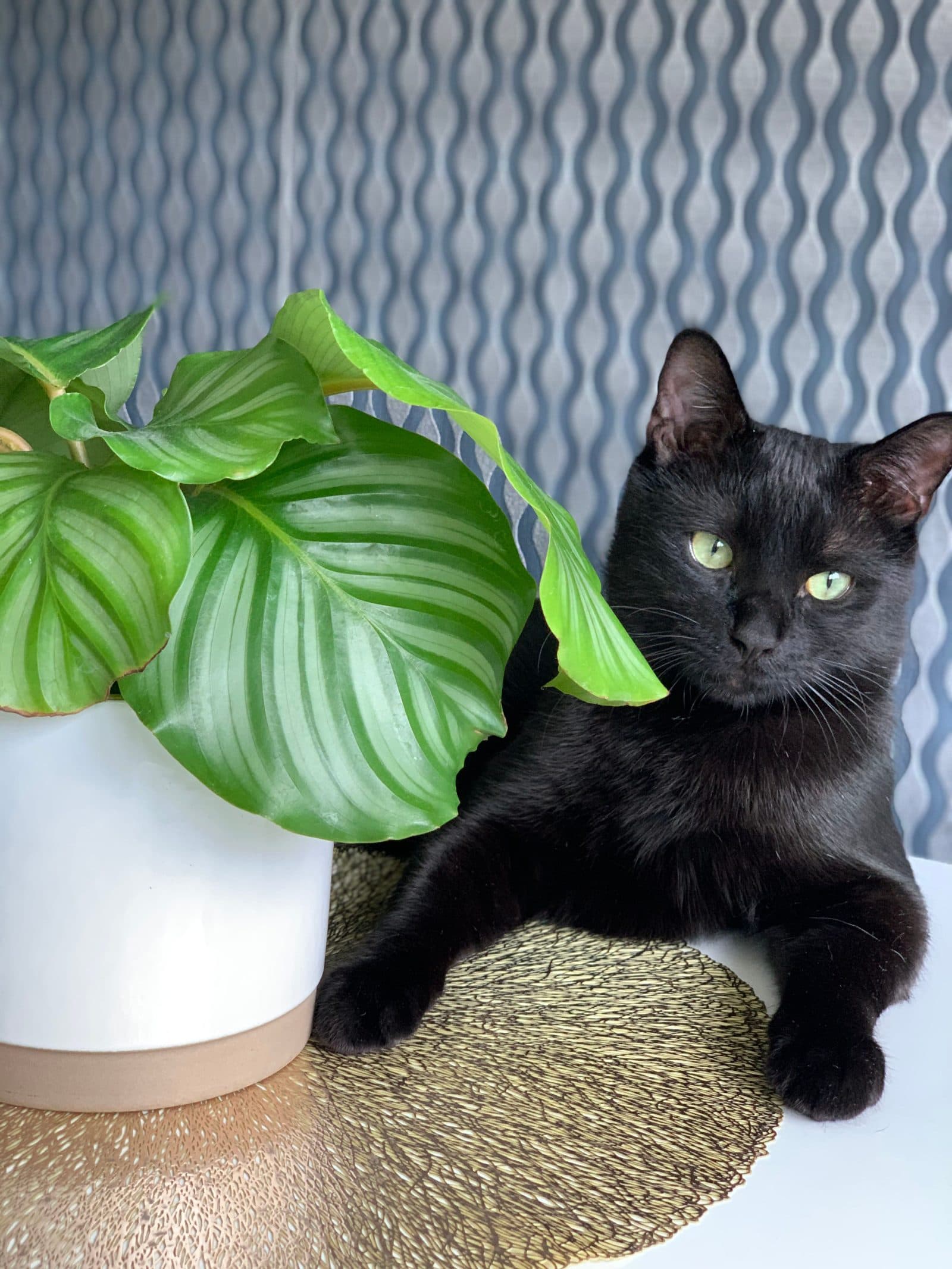
- Calathea and Maranta (family Marantaceae): decorative leaves, no spines, excellent in indirect light.
- Spider plant / Chlorophytum comosum: extremely tough and tolerant, it produces little plantlets that are easy to propagate. It's often a target for cats' bites, but it remains non-toxic (and no, there's no scientific evidence that it's "hallucinogenic": a myth worth busting).
- Boston fern / Nephrolepis exaltata: soft and spineless, it loves humidity.
- Peperomia (many species): compact, slow-growing, perfect for small spaces.
Palms and broad leaves
- Areca palm / Dypsis lutescens and parlour palm / Chamaedorea elegans: elegant in form and non-toxic. Be careful not to confuse them with the cycad (Cycas revoluta), which is in fact highly toxic.
Flowering and colourful
- Phalaenopsis (orchid): elegant and non-toxic.
- Saintpaulia (African violet): small and in bloom all year round.
Trailing or spineless
If you're looking for spineless plants for animals, all of those listed above qualify. Among succulents, bear in mind that many have spines or are toxic: a safe, soft choice is Sedum morganianum (burro's tail), non-toxic according to the ASPCA, but keep it up high because the stems detach easily.
If there's a dog in the house
A dog mostly reaches what sits at floor level, so beyond the species the container matters too. A heavy, stable pot, with no decorative pebbles and no fertiliser sticks pushed into the soil, removes most of the risks that have nothing to do with the plant. The very species a cat reaches by jumping onto a shelf, a dog won't even see on a high ledge.
Want a care plan tailored to your plants?
Join the waitlist: species ID, diagnosis and the Gemma assistant, with the lifetime founder discount.
Common plants to avoid if you have animals
To build a pet-friendly home it's just as useful to know what to leave out. These popular plants are classified as toxic by the ASPCA:
- True lilies (Lilium) and daylilies (Hemerocallis): for cats these are a genuine emergency. Leaves, flowers, pollen and even the water in the vase can cause acute kidney failure, even in small quantities. In dogs the effect is usually much milder and limited to gastrointestinal upset, but if there's a cat in the house these plants shouldn't come through the door at all.
- Pothos (Epipremnum aureum) and Philodendron: they contain calcium oxalate crystals that irritate the mouth and throat of both dogs and cats.
- Monstera deliciosa: same family (Araceae), same problem with oxalates. Beautiful, but to be kept out of reach if your animal tends to bite; you'll find the growing details in our dedicated guide.
- Dieffenbachia, Peace lily (Spathiphyllum), Anthurium, Caladium: also Araceae, to be avoided or placed somewhere inaccessible.
- Snake plant (Dracaena trifasciata): it contains saponins, causing nausea, vomiting and diarrhoea in dogs and cats. It's one of the most misunderstood of the "easy" plants.
- Jade plant (Crassula ovata): toxic to dogs and cats, causing vomiting, depression and loss of coordination.
- Sago palm (Cycas revoluta): it contains cycasin and is toxic to dogs and cats, causing vomiting, jaundice, clotting problems and liver damage that can progress to acute failure. It's among the most dangerous ornamentals of all.
- Aloe vera: it contains saponins and anthraquinones, causing vomiting, lethargy and diarrhoea in dogs and cats, despite its "healthy" reputation.
- Bulbs grown indoors, such as amaryllis and tulip: toxic to both, with the highest concentration in the bulb itself. They're a typically canine problem, because dogs dig and pull them out of the pot.
If you can't do without one of these, place it up high, on shelves or in rooms closed off to animals. Caution is worth more than any makeshift barrier.
Why cats and dogs nibble plants, and how to handle it
Nibbling on plants is common behaviour in cats and dogs alike, and in the vast majority of cases it isn't a symptom of anything being wrong.
In cats it usually comes down to boredom, curiosity, a craving for fibre or simply the pleasure of the texture between the teeth. Slender, elongated leaves, like those of the spider plant, are the most tempting.
In dogs the phenomenon is more widespread than people think. In a study at the University of California, Davis, covering around 1,500 dogs, 79% had eaten grass at least once, but only 9% appeared unwell beforehand and only 22% vomited afterwards: eating greenery is therefore normal behaviour, not a sign of malaise to be stamped out at all costs. Dogs do explore with their mouth, though, and tend to chew whatever they find at floor level, soil and pebbles included.
Even with non-toxic plants it's still worth discouraging the habit, because too many leaves swallowed can cause vomiting. What actually works, for both:
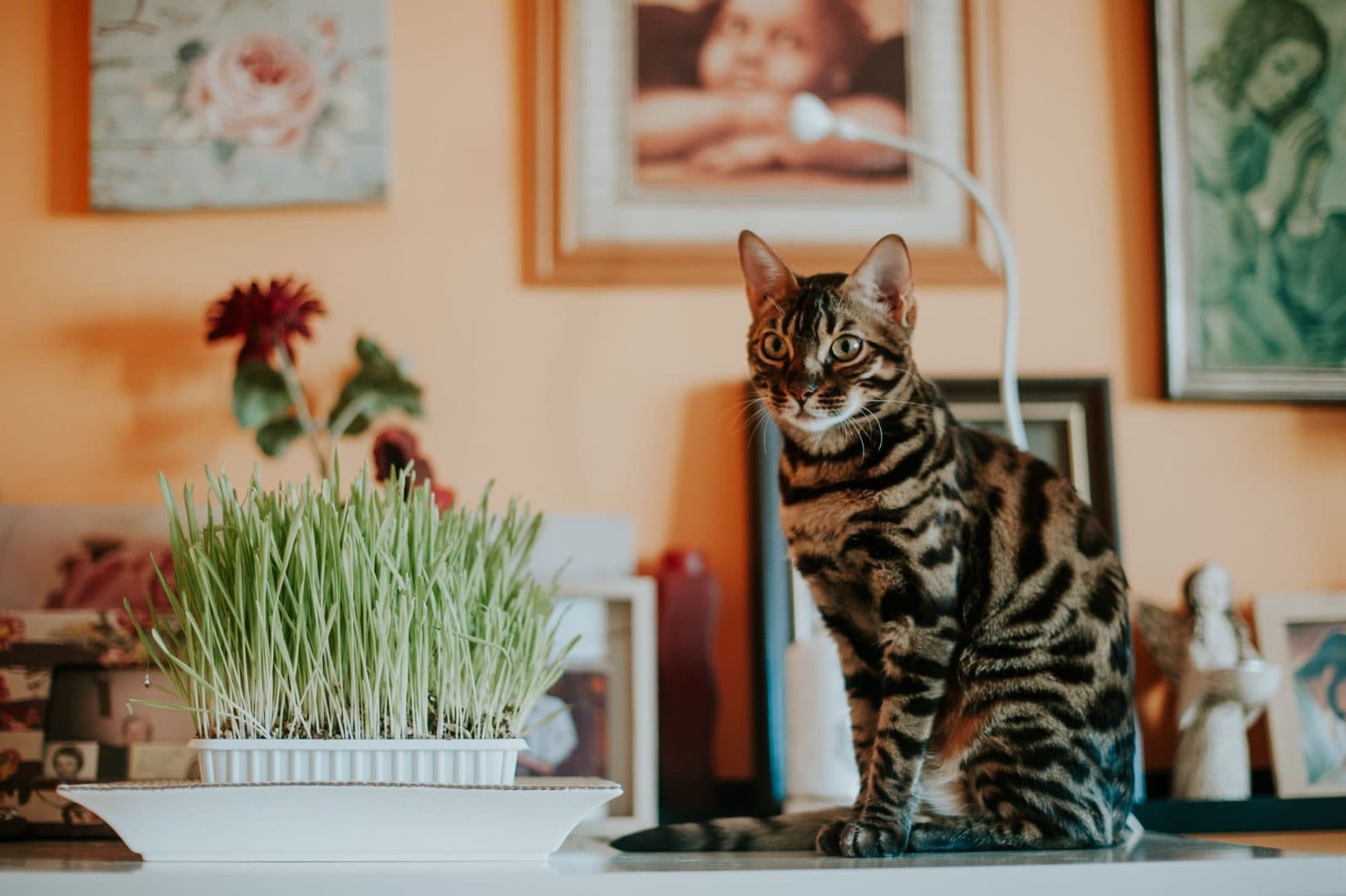
- Offer an edible alternative. For cats, cat grass (barley, oat or wheat shoots) is made exactly for this. Catnip (Nepeta cataria) is another option, but treat it as something to sniff rather than to eat: the ASPCA lists it among the plants toxic to cats, precisely because eaten in quantity it can cause vomiting and diarrhoea. For dogs, chew toys and suitable treats fill that role far better.
- Enrich the day. A cat with play and a scratching post, and a dog with enough walks and activity, have far fewer reasons to gnaw out of boredom.
- Work on placement, the most effective lever. Cats get up high, so what counts is closed rooms and hanging pots away from shelves that serve as a launch pad. Dogs reach the floor, so a raised ledge or a tall stand is often enough.
- Take away what invites them. Decorative pebbles, bark, fertiliser sticks and saucers that are always full are often more interesting than the plant itself, and cause trouble even when the species is non-toxic.
- Be sceptical of "repellent" solutions. Unpleasant smells, citrus included, work on some animals and not at all on others, and there's no solid evidence that they keep them away reliably. Above all, never spray chemical repellents or homemade remedies on the leaves: the risk is poisoning the animal with the solution, not with the plant.
What to do if your animal eats a plant
Even with every precaution, it can happen. Stay calm and act methodically.
- Identify the plant. Knowing the scientific name is the most useful thing for whoever will assist you. Photograph the plant and the leaf: with Greenkeep you can identify it and see straight away whether it's flagged as non-toxic.
- Observe the animal. Excessive drooling, vomiting, difficulty swallowing, swelling of the mouth, lethargy or changes in behaviour are signs not to underestimate.
- Contact a vet or a poison control centre. If the plant is toxic, or if symptoms appear, do so immediately without waiting. Take a sample of the plant or a clear photo with you.
- Don't induce vomiting on your own initiative. With some substances it can make things worse: always follow the professional's instructions.
- Remove residue from the mouth only if the animal tolerates it, and offer fresh water if it's able to drink.
Some situations don't allow for waiting: a cat that has been in contact with a true lily or a daylily, and a dog or cat that has chewed a sago palm or a bulb, should be taken to the vet straight away, without waiting for symptoms to appear.
Building a green, pet-friendly home
Living with animals and plenty of plants is entirely possible with a few basic measures.
- Start with the right species. Fill accessible spaces with non-toxic plants and keep any toxic species out of reach.
- Care for your plants organically. No pesticides or synthetic fertilisers: for pests use manual removal, potassium soft soap or neem oil, and improve air circulation. That also reduces the risk of problems like fungus gnats in the soil, which often arise from soil that's too wet.
- Water sensibly. Saucers that are always full and waterlogged soil attract insects and rot; understanding how often to water avoids a lot of trouble.
- Think about placement on two levels. A cat reaches shelves and high ledges, a dog reaches the floor: the same plant is out of reach for one and within biting distance for the other. Hanging supports and high shelves solve it for the dog; closed rooms and surfaces with no intermediate footholds solve it for the cat.
If you're starting from scratch, our guide for beginners helps you set up good habits, and if you're unsure which species to go for, how to choose the right houseplant for your space walks you through it. And when you have a quick question about a species, you can ask Gemma, Greenkeep's assistant, directly whether that plant is safe for cats and dogs.
Let AI tell you exactly what to do
Join the waitlist: species ID, diagnosis and the Gemma assistant, with the lifetime founder discount.
Keep reading
Frequently asked questions
Among the most common ones classified as non-toxic by the ASPCA are the spider plant (Chlorophytum comosum), calathea and maranta, peperomia, Boston fern, areca palm and parlour palm, Phalaenopsis orchid and African violet. They're all spineless and easy to care for.
Yes, the ASPCA classifies it as non-toxic to both dogs and cats. Cats do tend to nibble it happily, but there's no scientific evidence that it's "hallucinogenic". Eating a lot of it can still cause some vomiting, so it's better to offer your cat proper cat grass as an alternative.
It depends on the plant. With non-toxic species the risk is limited to passing digestive upset, while with toxic plants such as lilies, pothos or dieffenbachia it can be serious. Eating greenery is normal behaviour in any case: in a study of around 1,500 dogs, 79% had eaten grass, with no sign of illness in the vast majority of cases. Always identify the species and offer a suitable alternative, cat grass or chew toys.
Yes. Like other Araceae (pothos, philodendron, peace lily) it contains calcium oxalate crystals that irritate the mouth and throat when chewed. You can keep it in the house, but place it up high or in a room that's not accessible to animals.
Identify the plant (even with a photo), watch for symptoms such as drooling, vomiting or lethargy, and contact a vet or poison control centre immediately. Don't induce vomiting on your own initiative, and take a sample or a photo of the plant with you.
Far less so than for cats. In cats, true lilies (Lilium) and daylilies (Hemerocallis) can cause acute kidney failure even in small quantities, pollen and vase water included; in dogs they usually cause only mild gastrointestinal upset. They're still plants to keep away from both, but for cats they're a genuine veterinary emergency.
Sources
Related guides
 Choosing & buying
Air-Purifying Houseplants: What the Science Really Says
Which plants actually improve the air in your home and what the research really says, somewhere between the NASA myth and reality. An honest list to help you choose well.
Read the guide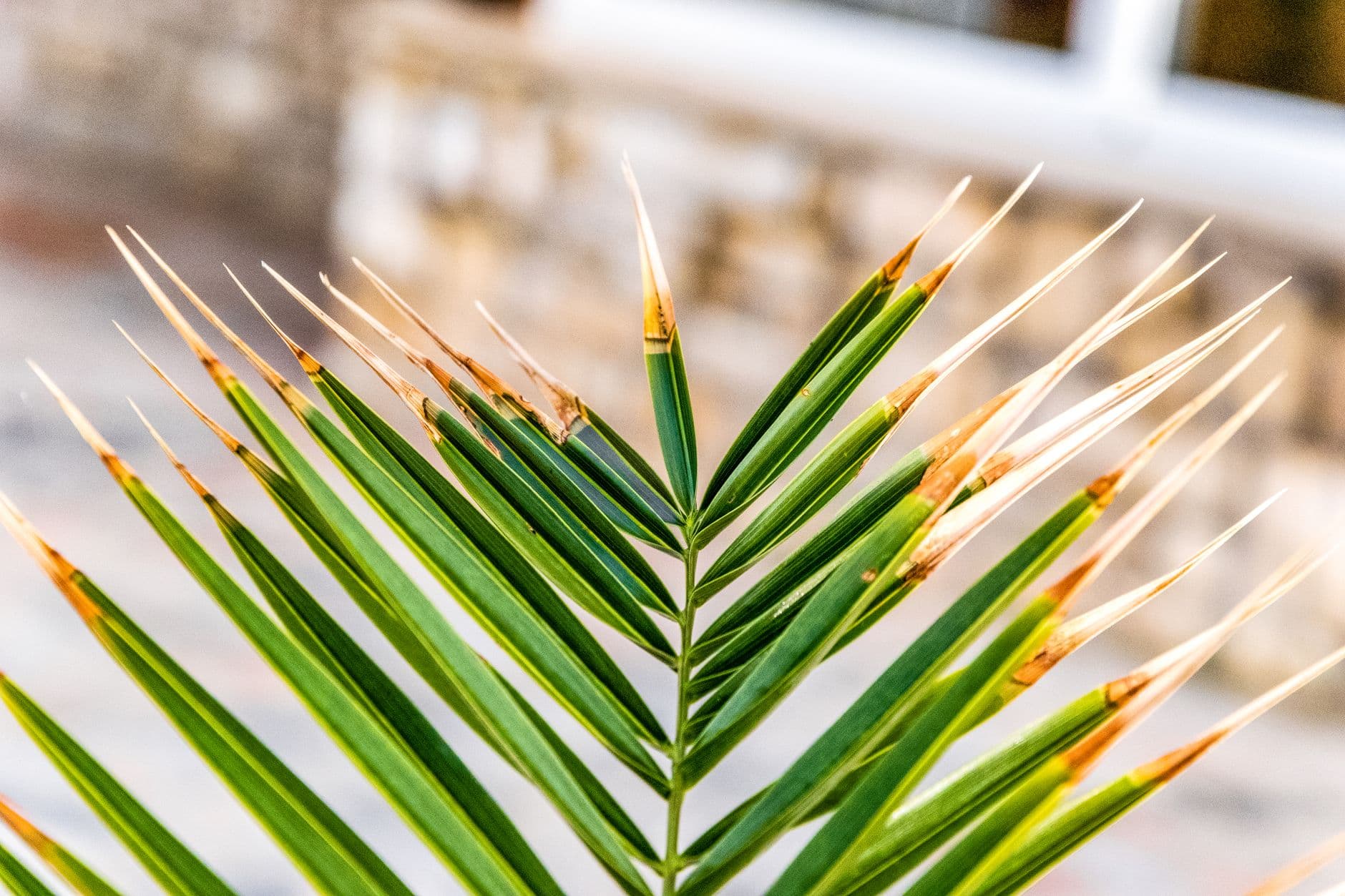 Diagnosing problems
Dry, Brown Leaf Tips: What They Mean
Dry, brown leaf tips often tell a story of air that's too dry, uneven watering or a build-up of salts. Here's how to read the symptom and put things right naturally.
Read the guide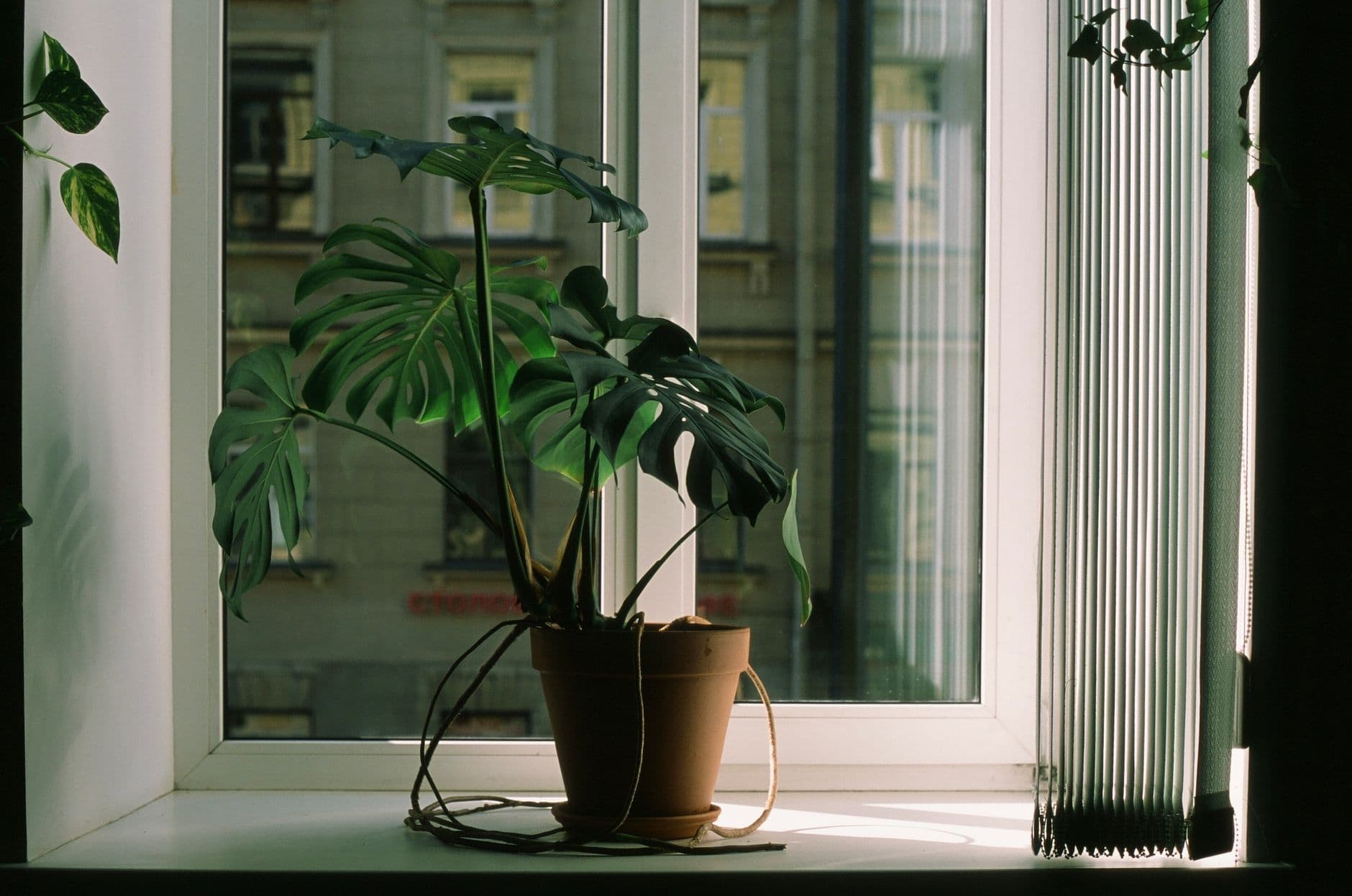 Diagnosing problems
Limp, Drooping Leaves: Too Much or Too Little Water?
Limp, drooping leaves can be caused by both too much and too little water. Here's how to tell the two cases apart and how to step in without harming the plant.
Read the guide