
The 7 Mistakes That Kill Houseplants at Home
If every plant you bring home ends up wilting, the explanation is almost never the dreaded "black thumb." Houseplants don't die from bad luck: they die because of a handful of recurring mistakes, nearly all of them fixable once you learn to spot them. The good news is that plants communicate: limp leaves, yellowing, dry tips and rot are precise signals. In this article you'll find the seven blunders that claim the most victims among beginners, why they happen, and how to fix them with simple, natural methods.
Mistake 1: Overwatering (the number one killer)
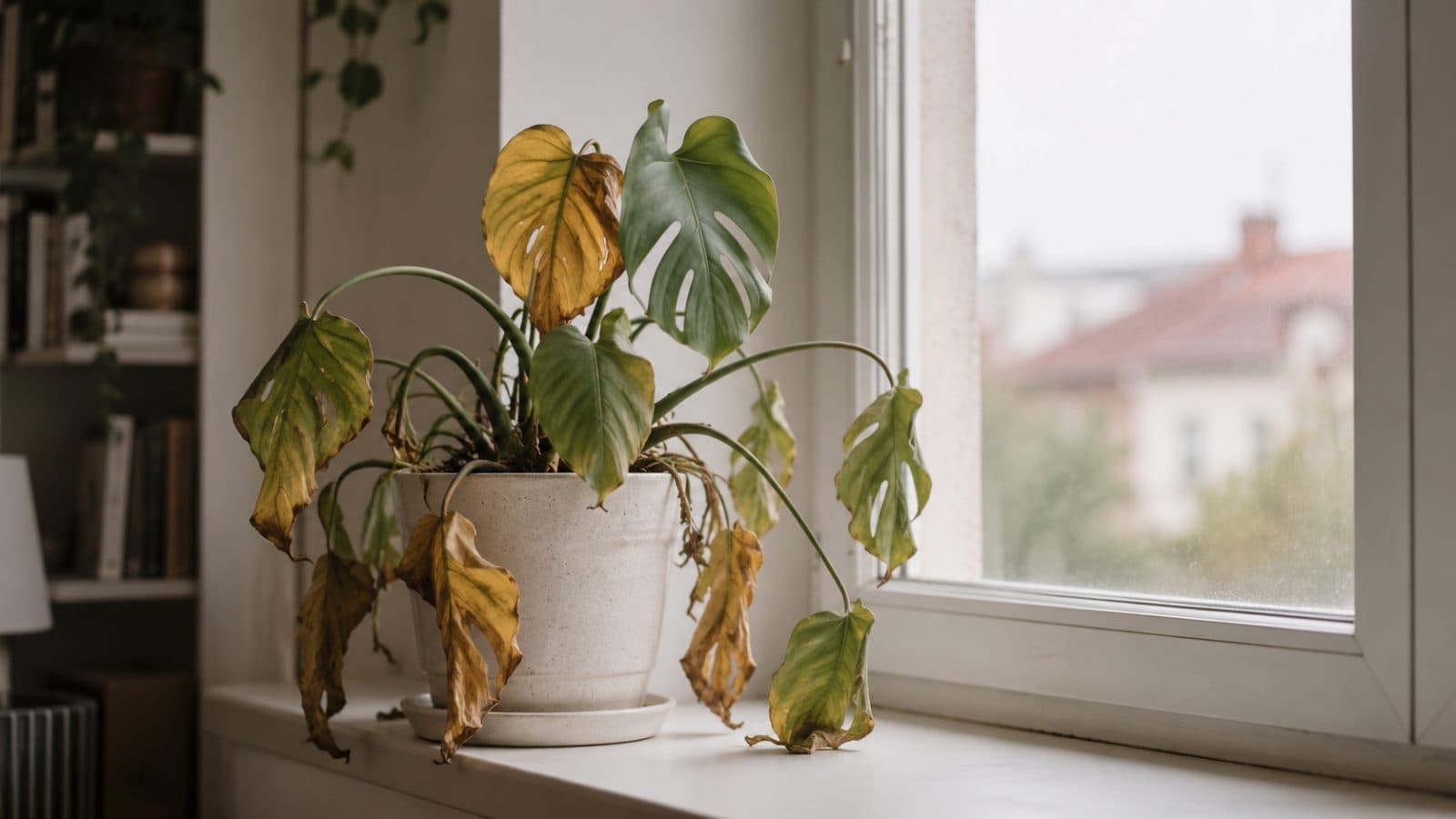
Overwatering is by far the most frequent cause of death, far more so than drought. When the soil stays soggy for a long time, the roots don't get any oxygen, they begin to rot and can no longer absorb water. The paradox is that the plant shows limp, drooping leaves, the very same symptoms as thirst, so people tend to water even more, making things worse.
How to tell if you're overdoing it
- Soil that stays constantly damp and heavy even days later.
- Limp, yellowing leaves that drop from the bottom upwards.
- A rotten smell, or soil that stays waterlogged at the bottom of the pot.
What to do
Push a finger about 2–3 cm into the soil: if it's still damp at that depth, wait. Water only when the top 2–3 cm have dried out (for succulents, wait even longer). Always empty the saucer after about half an hour: the roots must not sit in water. If you suspect rot is already underway, repot by removing the soggy soil and cut away the soft, dark roots with clean scissors. To dig deeper into the signals, read the guide on limp, drooping leaves.
Mistake 2: The wrong light
Many plants don't die of thirst but of darkness. Many houseplants come from the tropical understorey and need plenty of bright but filtered light; others, such as sansevieria, Zamioculcas and succulents, come from bright, arid habitats. Neither group thrives in a corner far from the window where you can barely read a book.
Signs of insufficient light
- Stems stretching towards the window with small, widely spaced leaves (etiolation).
- Growth stalled for months, new leaves small and pale.
- A Monstera that doesn't produce holes in its leaves: this depends mainly on the plant's maturity (a young Monstera won't fenestrate regardless of light), and only secondarily on how bright the spot is.
Signs of too much direct light
- Brown or dry, bleached patches on leaves exposed to full sun.
Most species do well near a bright window, sheltered from direct sun during the middle of the day. Sansevieria, pothos and Zamioculcas tolerate shadier spots, but even they grow better with more light. Rotate the pot every now and then so all sides are lit evenly.
Want a care plan tailored to your plants?
Join the waitlist: species ID, diagnosis and the Gemma assistant, with the lifetime founder discount.
Mistake 3: A pot without drainage holes
A gorgeous decorative pot that's sealed at the bottom is a trap. Without a drainage hole, excess water pools at the base and rots the roots, even if you water sensibly.
The simple solution
Always use an inner pot (plastic is fine) with drainage holes, placed inside the decorative pot. When you water, lift out the inner pot, let it drain, then put it back. This way the roots never sit in water.
The myth of a layer of stones at the bottom as a substitute for drainage isn't much help: it doesn't replace a real hole. Better to use good houseplant compost that's soft and free-draining, together with a pot that has holes.
Mistake 4: Watering on a fixed schedule
"A glass of water every Sunday" sounds tidy, but it's a mistake. Water needs change with the season, temperature, light, pot size and species. The same plant that drinks twice a week in summer may only need watering every ten to fifteen days in winter.
The golden rule is to watch the soil, not the calendar. Check with your finger before watering and adjust the frequency to the actual plant in front of you.
This is where Greenkeep works as a safety net: the reminders adapt to the species and the season instead of suggesting a rigid interval, and if you're unsure you can take a photo and get a quick diagnosis of the symptoms. It's still up to you to decide whether the timing is right by checking the soil. To get your bearings on frequency, read how often to water your plants.
Mistake 5: Ignoring winter and the radiators
Many plants that die "out of the blue" do so in winter, and it's rarely a coincidence. In this season several things change all at once.
What happens in winter
- Less light: short days slow growth, so the plant uses and drinks less.
- Dry air: radiators lower the ambient humidity, and leaf tips dry out and turn brown.
- Swings and draughts: a plant next to a cold pane at night or a door that keeps opening suffers cold stress.
How to fix it
Cut back watering sharply, following the soil, move plants away from direct heat sources and icy windows, and shift the more demanding species towards the brightest windows. If the air is very dry you can group your plants together or use a saucer with damp expanded clay; misting only gives momentary relief. You'll find the details in the guide on plants in winter and radiators.
Mistake 6: Repotting and feeding at the wrong time
Two well-meaning gestures done at the wrong moment can weaken a plant.
Feeding too much or when it isn't needed
Feeding in late autumn and in winter, when the plant is dormant, builds up salts in the soil that burn the roots and dry out the leaf margins. Feed only during the growing season (generally from spring to late summer), with moderate doses and organic products such as mature compost, worm castings or a diluted natural liquid fertiliser. Better little and often than a lot all at once. See how and when to feed.
Repotting badly
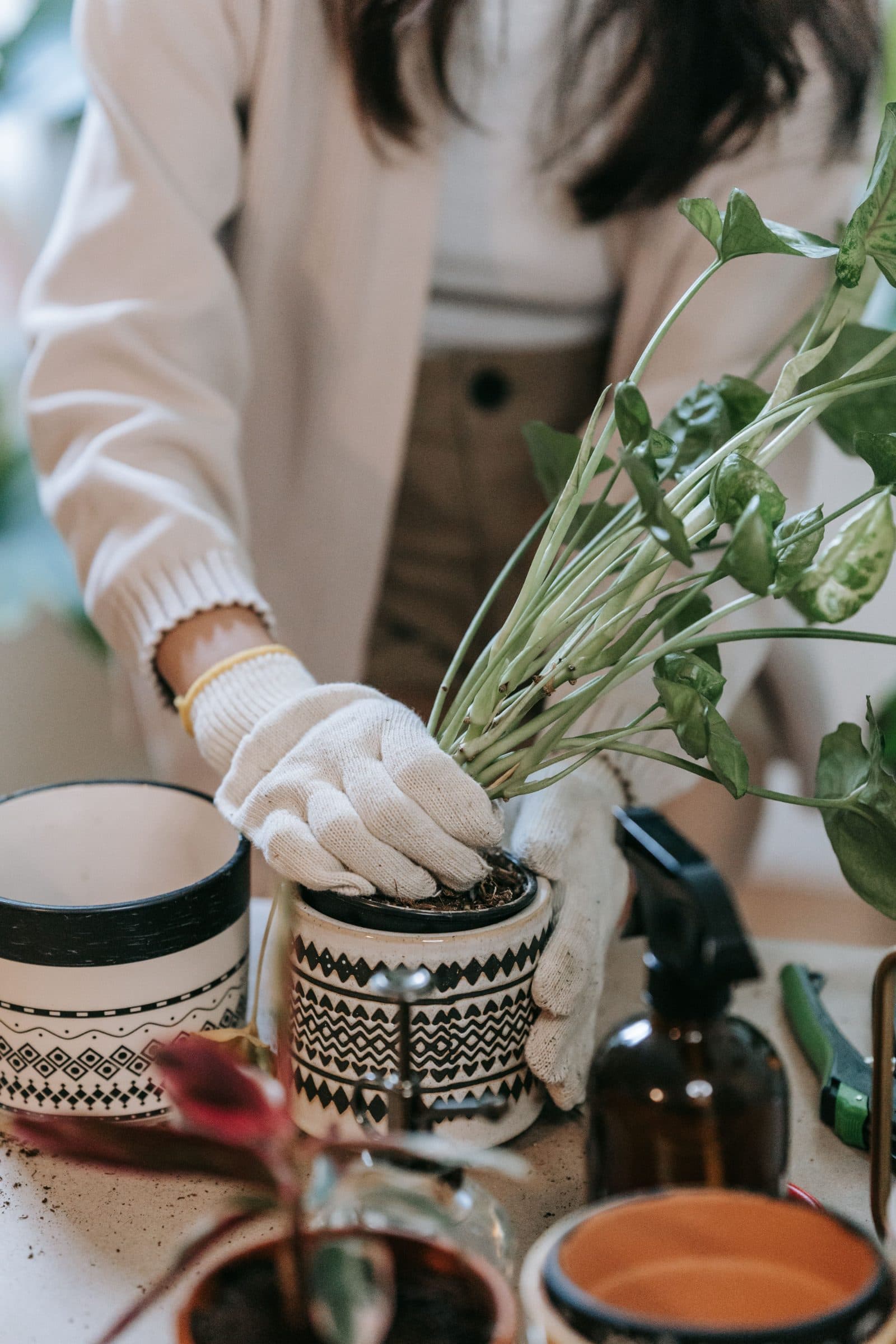
You don't need a huge pot: too much soil around few roots holds water and encourages rot. Move up just one pot size only when the roots come out of the holes or fill the root ball. The best time is early spring.
Mistake 7: Not spotting pests in time
Mealybugs, spider mites and aphids don't kill overnight, but if neglected they weaken the plant until it collapses. The problem is that they often go unnoticed until the colony is already large.
The habit that saves plants
Regularly check the undersides of the leaves and the leaf axils, where pests hide. Look for cottony white specks, very fine webs, sticky spots or leaves yellowing in patches.
Natural remedies
- Manual removal with a cotton bud soaked in alcohol for mealybugs.
- A shower of lukewarm water to knock down aphids and spider mites.
- Diluted potassium soft soap, or a neem-based product formulated for plants, sprayed over every surface following the label doses and repeating after a few days. Don't use laundry Marseille soap or washing-up liquid: they contain soda, fragrances and degreasers that burn the leaves.
- Isolate the affected plant from the others straight away.
Whichever remedy you choose, test it on a few leaves first, treat in the evening or away from direct sun, and use alcohol at 70%.
If you see gnats flying around the soil, it's often a sign linked to overwatering: we cover it in the guide on gnats in the soil. Here too a photo on Greenkeep helps identify the problem before it gets worse.
Let AI tell you exactly what to do
Join the waitlist: species ID, diagnosis and the Gemma assistant, with the lifetime founder discount.
Keep reading
Frequently asked questions
No, it's not a genetic sentence. People who keep killing plants usually repeat the same few mistakes, above all overwatering and keeping plants in poorly lit spots. By changing these habits and choosing forgiving species to start with (pothos, sansevieria, Zamioculcas), results improve very quickly.
A great deal: it's the most frequent cause. Standing water deprives the roots of oxygen and causes rot. The problem is deceptive because the symptoms (limp, drooping leaves) resemble those of thirst, prompting even more watering. Always check the soil before watering and use pots with drainage holes.
In winter there's less light, drier air from the radiators and temperature swings near cold windows. The plant grows and drinks less, so watering needs to be reduced by following the soil. Move pots away from direct heat sources and cold draughts, and keep the more demanding species near bright windows.
Touch the soil with a finger to a depth of 2–3 cm. If it's still damp, wait; if it's dry, water. In general, with too much water the leaves are limp and the soil stays waterlogged; with too little the leaves become dry and crispy and the soil pulls away from the pot. Watching the plant is worth more than any fixed schedule.
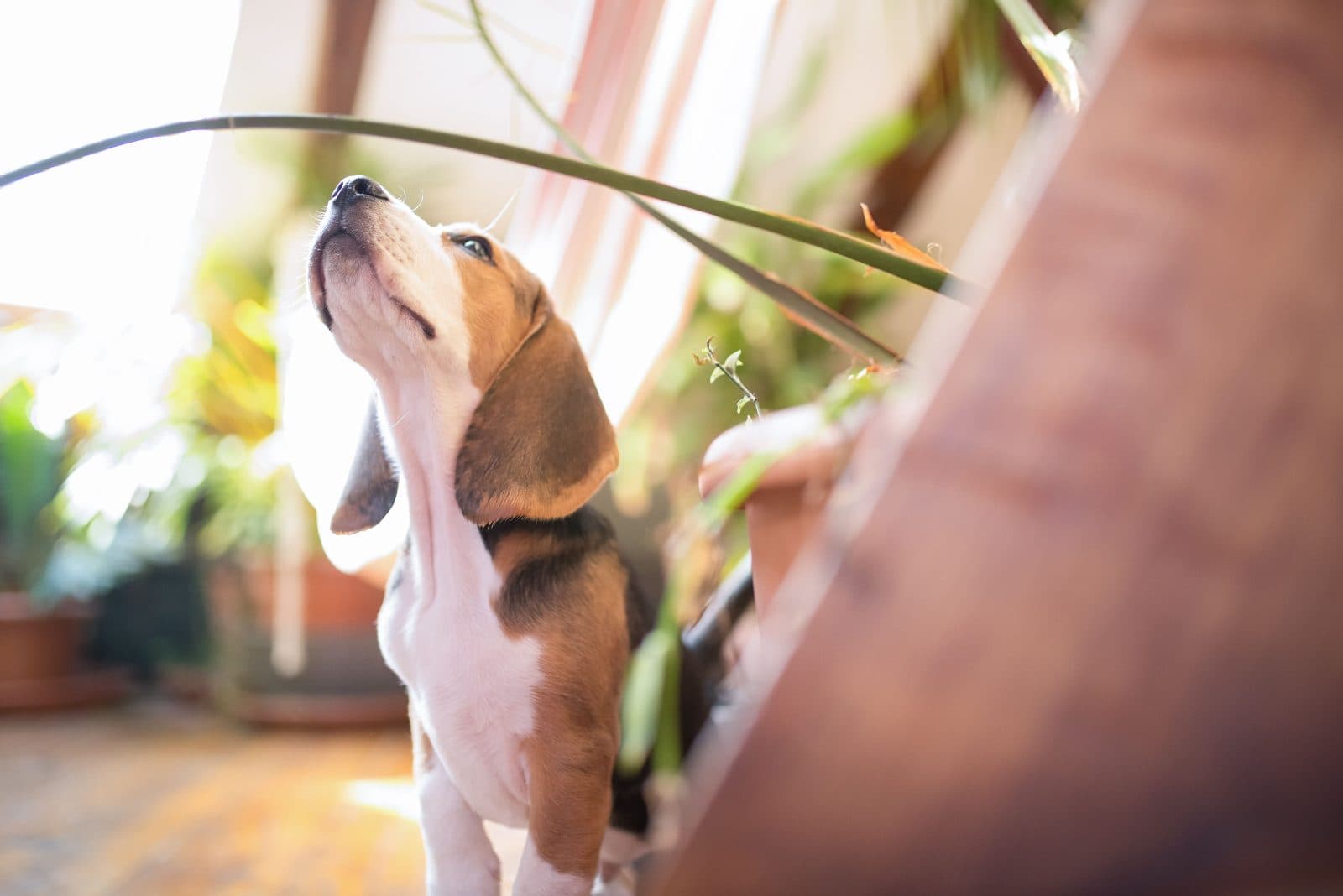
Pothos, sansevieria, Zamioculcas and climbing philodendrons forgive plenty of mistakes and tolerate variable light and irregular watering. They're great for building confidence. If you have pets at home, check their toxicity first: you'll find a list of plants that are safe for cats and dogs in our dedicated guide.
Sources
Related guides
 Plants & pets
Pet-Safe Houseplants for Cats and Dogs
A practical guide to choosing non-toxic houseplants if you live with a cat or a dog, with the safest species and the behaviours to keep an eye on.
Read the guide Choosing & buying
Air-Purifying Houseplants: What the Science Really Says
Which plants actually improve the air in your home and what the research really says, somewhere between the NASA myth and reality. An honest list to help you choose well.
Read the guide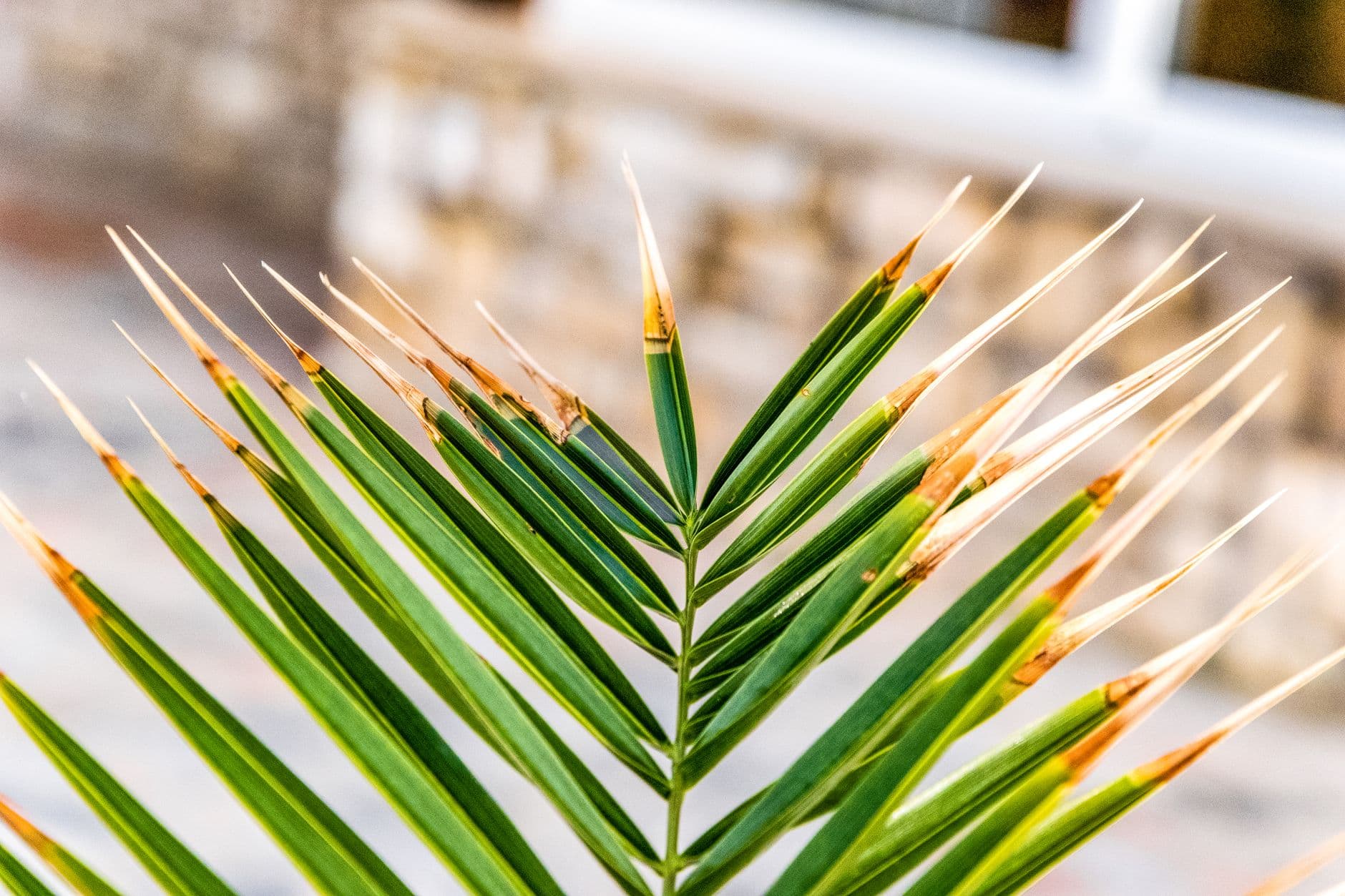 Diagnosing problems
Dry, Brown Leaf Tips: What They Mean
Dry, brown leaf tips often tell a story of air that's too dry, uneven watering or a build-up of salts. Here's how to read the symptom and put things right naturally.
Read the guide