
How to Care for a Phalaenopsis Orchid and Get It to Rebloom
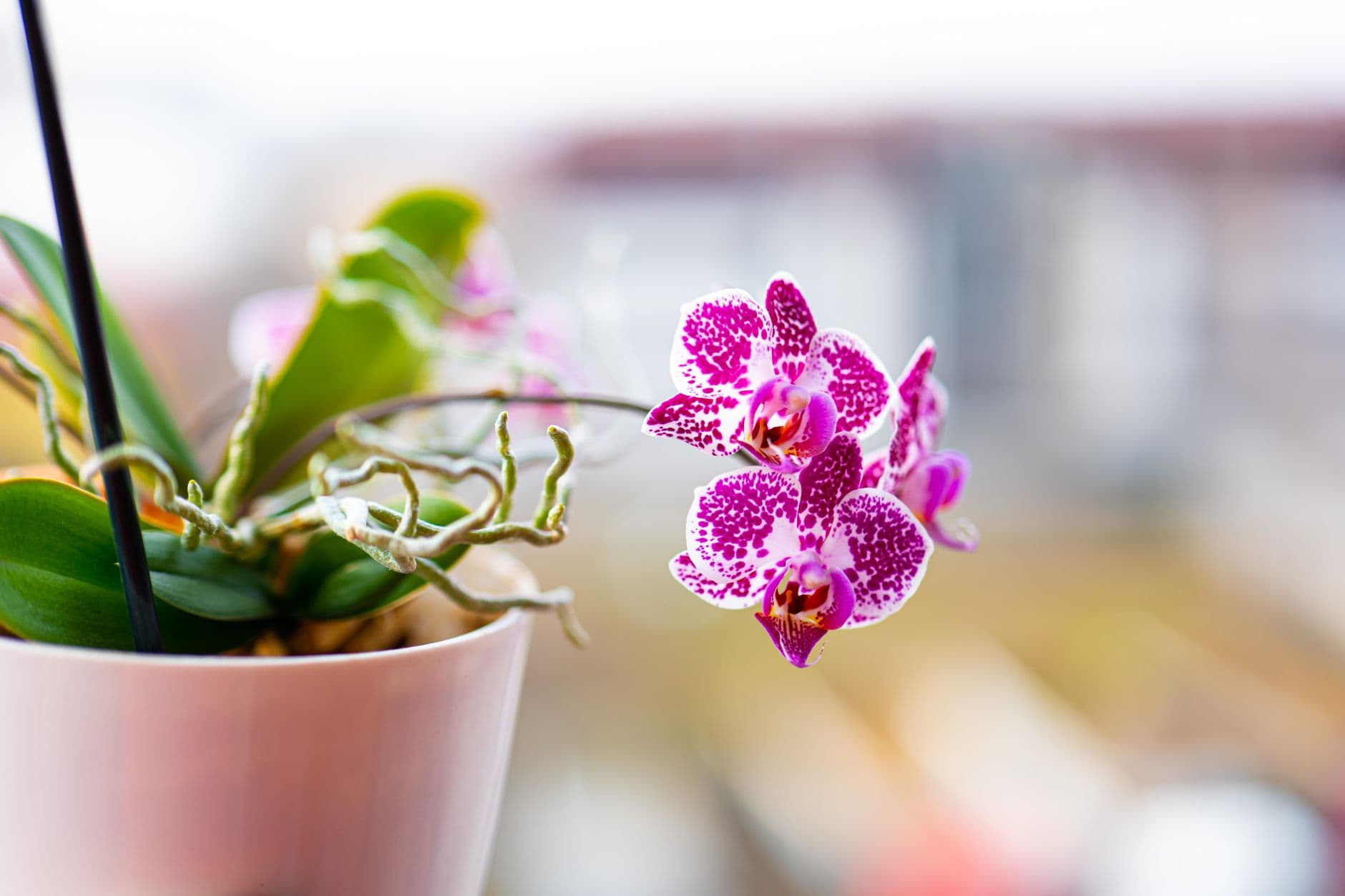
Photo by Corneliu Stefan Esanu
The Phalaenopsis, often called the moth orchid, is the most common orchid in our homes precisely because it is also the most forgiving. It flowers for a long time, copes well with the light of an apartment and forgives the odd mistake. And yet so many people grow it well while it is in bloom, then get stuck: the petals fall, a bare stem is left behind and the plant seems spent. In reality it is almost always alive and in good health, simply resting. In this guide we'll look at how to care for it all year round and, above all, what to do to encourage it to flower again.
Light, temperature and where to keep it
The Phalaenopsis wants plenty of light, but indirect. The direct midday sun scorches the leaves, leaving yellowish patches or dry areas. The ideal spot is in front of an east-facing window, or a west- or south-facing one filtered by a light curtain. North-facing windows are usually too dark for it to rebloom.
A good indicator is the colour of the leaves: a light grass green signals correct lighting, while deep dark green leaves often mean the plant is getting too little light to produce flowers. Yellowish or scorched leaves, on the other hand, mean too much sun.
Temperature
It does well at household temperatures, roughly 18 to 29 degrees, as long as nights don't drop below about 15. A warm room in summer is no problem if the air isn't too dry. Avoid cold draughts and, in winter, being right next to radiators, which dehydrate the plant and its flowers. As we'll see, a slight difference between day and night is exactly what triggers reblooming.
When and how to water
The most common mistake with orchids is overwatering. The Phalaenopsis is an epiphytic plant: in the wild it lives clinging to trees, with its roots exposed to the air, and it rots easily if left in stagnant water.
When to water
There is no fixed calendar: it depends on light, temperature and growing medium. On average you water every 7–10 days, but the real signal comes from the roots and the weight of the pot. Wait until the medium (usually bark) is nearly dry and the pot feels light when you lift it.
The silvery roots
This is the single most useful detail. Healthy Phalaenopsis roots turn green when well hydrated, while as they dry out they turn a silvery grey. Silvery roots mean the plant is thirsty; bright green roots mean it still has enough water. Learning to read this colour is the most reliable way to avoid mistakes.
How to water
The best method is soaking: sit the clear inner pot in a basin of room-temperature water for about 10–15 minutes, then let all the excess water drain thoroughly before putting it back in the cachepot. Water should never be left sitting at the bottom. Wet the medium, not the crown of the plant where the new leaves form: water lingering there can cause rot.
Want a care plan tailored to your plants?
Join the waitlist: species ID, diagnosis and the Gemma assistant, with the lifetime founder discount.
Growing medium, pot and humidity
The Phalaenopsis is not grown in ordinary potting soil, which suffocates the roots. It wants a coarse, airy medium, usually pine bark, often with a little sphagnum moss or draining materials.
The clear inner pot isn't just for looks: it helps you check the colour of the roots and lets a little light through, since the roots are photosynthetic. Choose one with good drainage holes.
Humidity
These orchids like slightly humid air, roughly 50 to 80%. Indoors, especially in winter with the radiators on, the air becomes very dry. Rather than misting the leaves (which also wets the flowers and can encourage spots), a tray with expanded clay and water works better, keeping the pot above the water level, or you can group several plants together. Good air circulation remains important to prevent rot.
Repotting
Repotting is generally done every 1–2 years, when the bark breaks down and becomes compacted or when the roots come out abundantly from the pot. The best time is after flowering. Gently remove the old medium and cut only the roots that are soft, hollow or blackened, leaving those that are firm and silvery or green.
The right fertiliser for orchids
The Phalaenopsis is a slow-growing plant that needs little fertiliser, but applied regularly during the growing season.
- Use a specific orchid fertiliser, well diluted (usually to half or a quarter of the recommended dose).
- Feed every 2–4 weeks in spring and summer, always on already-moist medium so you don't burn the roots.
- Reduce or stop in autumn and winter, when the plant slows down.
A practical rule popular among growers is "little and often". It's better to dilute heavily and give small, frequent doses than a few concentrated ones. If you prefer a more natural approach, there are liquid organic orchid fertilisers based on plant extracts; in any case the rule of generous dilution applies.
An excess of fertiliser salts leaves whitish deposits on the medium and can damage the roots. Every so often it's useful to water with plain water, without fertiliser, to flush out the build-up.
If you'd like a tailored reminder for doses and timing, Greenkeep's species profile includes a care plan dedicated to the Phalaenopsis that takes the season into account.
Orchid that has finished flowering: what to do with the stem
When all the flowers have fallen, the plant is not dead: it has simply finished flowering. At this point you have a few choices depending on how the flower stem looks.
If the stem is still green
The Phalaenopsis can rebloom from the same stem. You can cut it just above a visible node in the lower part (usually above the second or third node from the base): a dormant bud can develop into a new flowering branch, though the flowers will often be a little smaller.
If the stem is turning yellow or drying out
When the stem turns yellow, brown or dries out, cut it off at the base with clean scissors. The plant will focus its energy on roots and new leaves, preparing for the next full bloom.
In the meantime, look after the plant
In both cases, after flowering the priority is a strong plant: firm leaves, healthy roots, correct watering and a gradual resumption of feeding. It is during this apparent resting phase that the next flowering is built. If the leaves become soft or turn yellow abnormally, it's worth checking whether there's a watering problem.
How to make the Phalaenopsis rebloom
The good news is that getting the Phalaenopsis to rebloom doesn't require mysterious tricks, just the right conditions and a little patience. The main trigger is a slight difference in temperature.
The day–night difference
In the wild the autumn drop in night temperature tells the plant it's time to prepare its flowers. You can recreate this at home: for a few weeks in autumn keep the plant somewhere the night temperature drops a few degrees compared with the day, ideally around 13-16 degrees. A lightly heated room or a spot near a window (without icy draughts) is often enough.
The other factors
- Enough light: without adequate light it's unlikely to flower, even with the temperature difference. Dark green leaves signal it needs more indirect light.
- Consistent care: correct watering and regular fertilising in the previous season give the plant the energy to flower.
- Patience: after the trigger, the flower stem can take several weeks to appear and develop. This is normal.
When you see a new stem emerging (distinguishable from a root because it points upwards and has a flatter shape), move the plant back to a stable position and don't shift it around too much.
If you don't know where to start, you can ask Gemma, Greenkeep's assistant, for the reblooming steps adapted to the time of year and the conditions in your home.
Common problems and pests
Almost all Phalaenopsis problems come down to water. Here are the most common ones.
- Soft, wrinkled leaves: often dehydrated roots or, conversely, roots rotted from too much water. Check the state of the roots before deciding.
- Blackened, mushy roots: rot from overwatering or waterlogging. Repot, cut off the damaged roots with clean scissors and adjust your watering.
- Spots on the leaves: these can come from sunburn or from water sitting in the crown of the plant.
- Yellowed leaves: an old lower leaf turning yellow and dropping is normal; if several leaves yellow at once, suspect incorrect watering.
Pests
The most common are mealybugs and spider mites, encouraged by dry air. For mealybugs, remove the insects by hand with a cotton bud dipped in alcohol and treat with diluted Marseille or potassium soap, or a neem-based product following the label doses, going over it again a few days later. Regularly check the underside of the leaves and the hollow at the base. Avoid harsh chemical products: low-impact methods, applied consistently, work well on a plant like this.
Toxicity to animals
The ASPCA classifies the Phalaenopsis orchid as non-toxic to dogs, cats and horses. Even so, it's wise to discourage pets from chewing on it, because any plant can cause stomach upset if eaten.
Let AI tell you exactly what to do
Join the waitlist: species ID, diagnosis and the Gemma assistant, with the lifetime founder discount.
Keep reading
Frequently asked questions
There's no fixed interval: usually every 7–10 days, but it depends on light, temperature and growing medium. The most reliable signal is the roots: when they turn from green to silvery grey and the pot feels light, it's time to water. Always let the excess water drain thoroughly.
Silvery roots simply mean they are dry and the plant needs water. When you water, they turn green because they rehydrate. It's a very useful natural indicator: wait until they turn silver before watering again.
If the stem is still green, you can cut it above a node in the lower part to encourage a new flowering branch. If it has yellowed or dried out, cut it off at the base so the plant focuses its energy on roots and leaves ahead of the next bloom.
The main trigger is a slight temperature difference in autumn: for a few weeks keep it somewhere the night temperature drops a few degrees (around 13-16 degrees), ensuring plenty of indirect light and consistent care. Then you'll need patience, because the new stem can take weeks to appear.
A specific orchid fertiliser, well diluted, every 2–4 weeks in spring and summer, always on already-moist medium. In autumn and winter reduce or stop. Little and often is better than concentrated doses, and every so often water with plain water to flush out excess salts.
Sources
Related guides
 Plants & pets
Pet-Safe Houseplants for Cats and Dogs
A practical guide to choosing non-toxic houseplants if you live with a cat or a dog, with the safest species and the behaviours to keep an eye on.
Read the guide Choosing & buying
Air-Purifying Houseplants: What the Science Really Says
Which plants actually improve the air in your home and what the research really says, somewhere between the NASA myth and reality. An honest list to help you choose well.
Read the guide Diagnosing problems
Dry, Brown Leaf Tips: What They Mean
Dry, brown leaf tips often tell a story of air that's too dry, uneven watering or a build-up of salts. Here's how to read the symptom and put things right naturally.
Read the guide