
Easy Houseplants That Thrive in Low Light
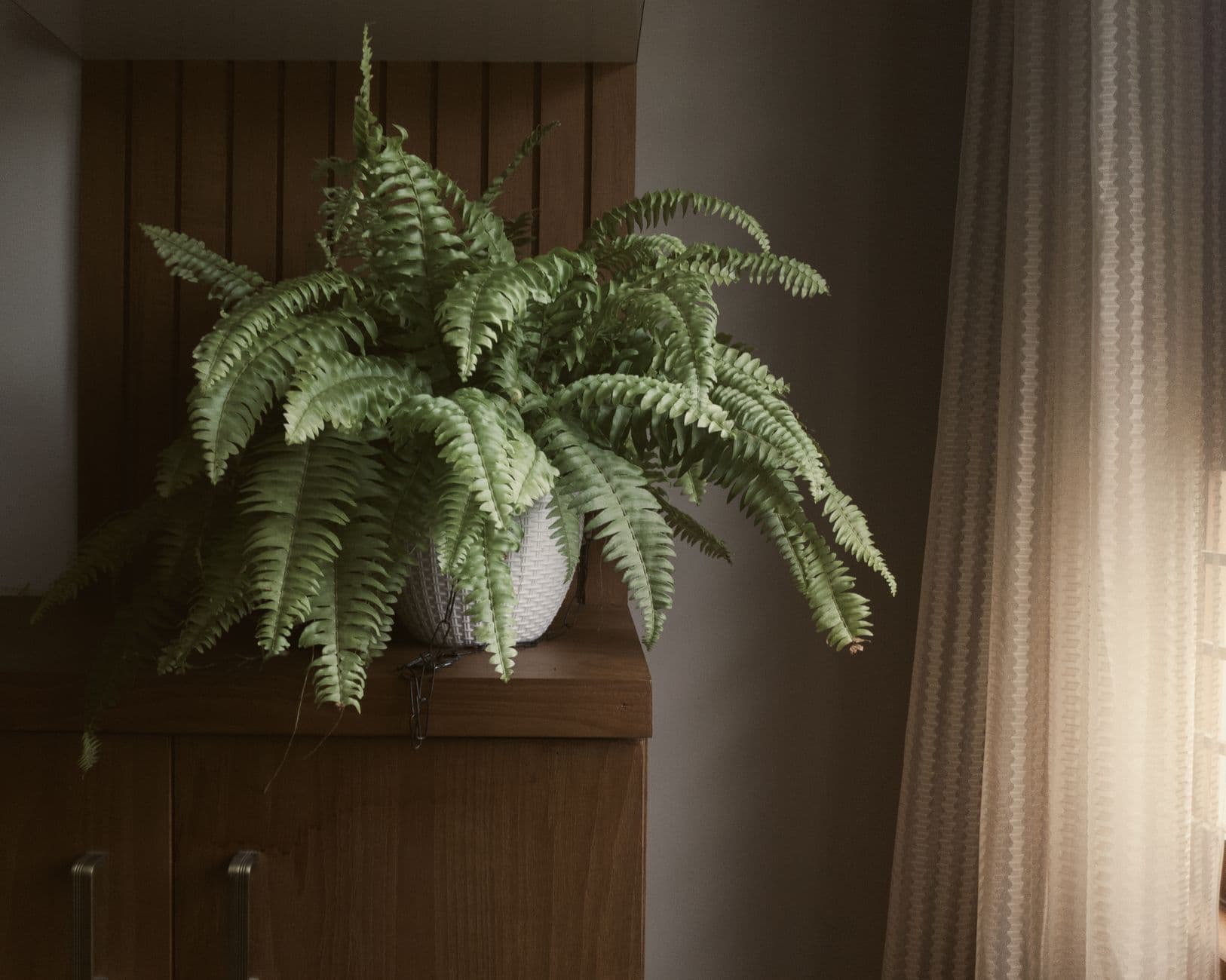
Photo by Sharon Manuel joy
Not every home has big windows and plenty of light. Hallways, bathrooms, desks far from the glass and north-facing rooms are a struggle for many plants, but not all of them. There's a group of genuinely tough species that tolerate partial shade and forgive the odd bit of neglect. In this guide you'll find the plants best suited to dark corners, why they work and how to keep them healthy with minimal effort. An honest caveat: no plant lives entirely without light. They all need at least a little brightness for photosynthesis. The difference is that some make do with very little, even just the indirect light of a room with a distant window.
What "low light" really means
When we talk about low light, we mean spaces with weak indirect light: far from windows, north-facing, or lit mainly by lamps. There's no such thing as a completely dark corner where a plant can survive for long, because photosynthesis needs light.
A simple test: around midday, try comfortably reading a book in the spot where you want to put the plant. If you can manage without switching on a lamp, there's enough light for shade-tolerant species. If you have to strain your eyes, consider an LED grow light or rotate the plants every couple of weeks to a brighter spot so they can "recharge."
Two things to remember in these spaces:
- Less light means less water. In low light growth slows down, the soil stays moist for longer, and the number one risk becomes overwatering.
- Growth is slower. Don't expect a steady stream of new leaves: that's normal, not a sign of illness.
The hardiest species for dark corners
These are the plants that cope best when light is in short supply. For each one you'll find what makes it suitable and a note on toxicity according to the ASPCA classification, useful if you have dogs or cats at home.
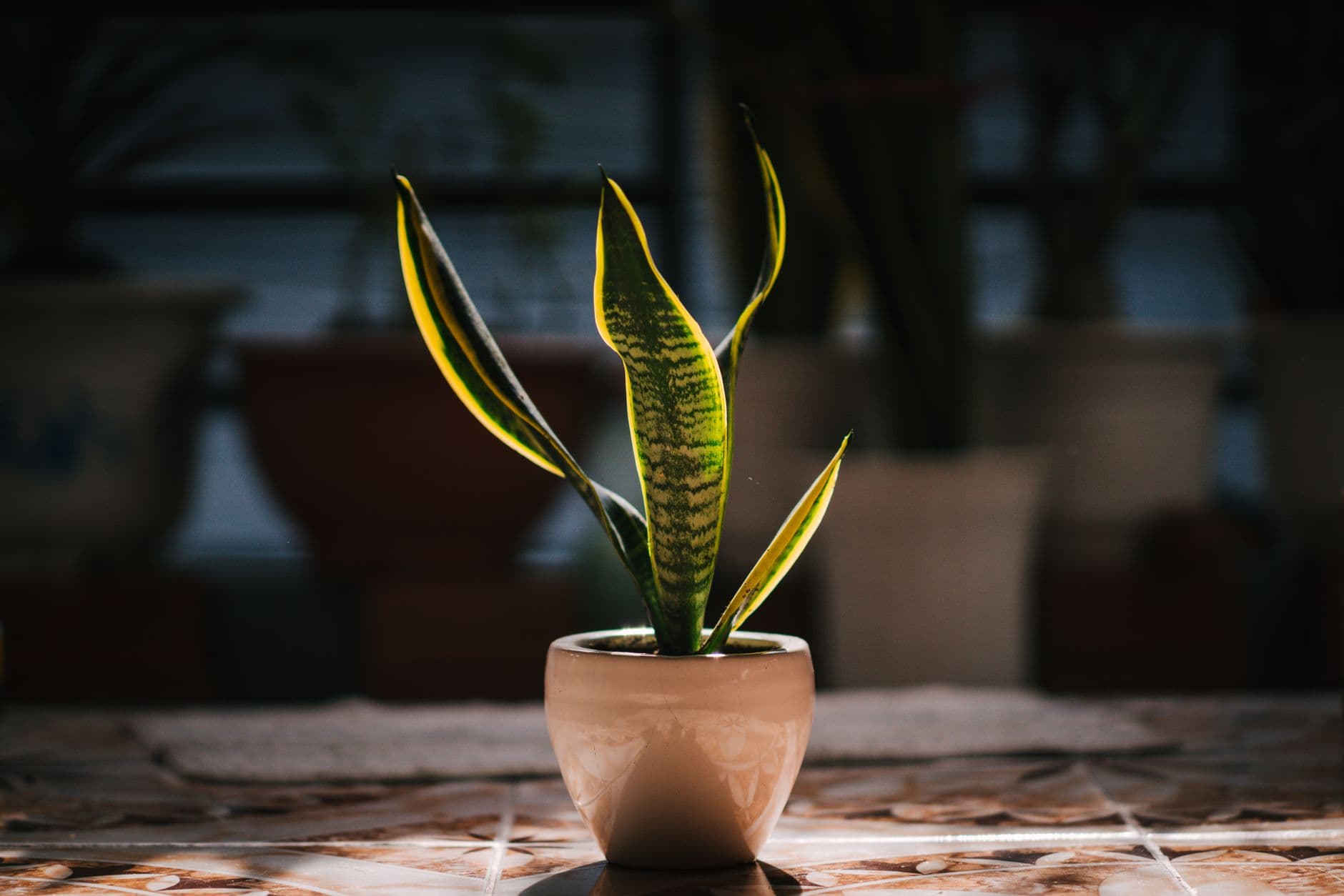
Sansevieria (Dracaena trifasciata)
Thick, fleshy leaves that store water, so it tolerates drought and shade. It's among the hardest of all to kill, as long as it never sits wet. Water only when the soil is dry deep down. Considered toxic to dogs and cats according to the ASPCA.
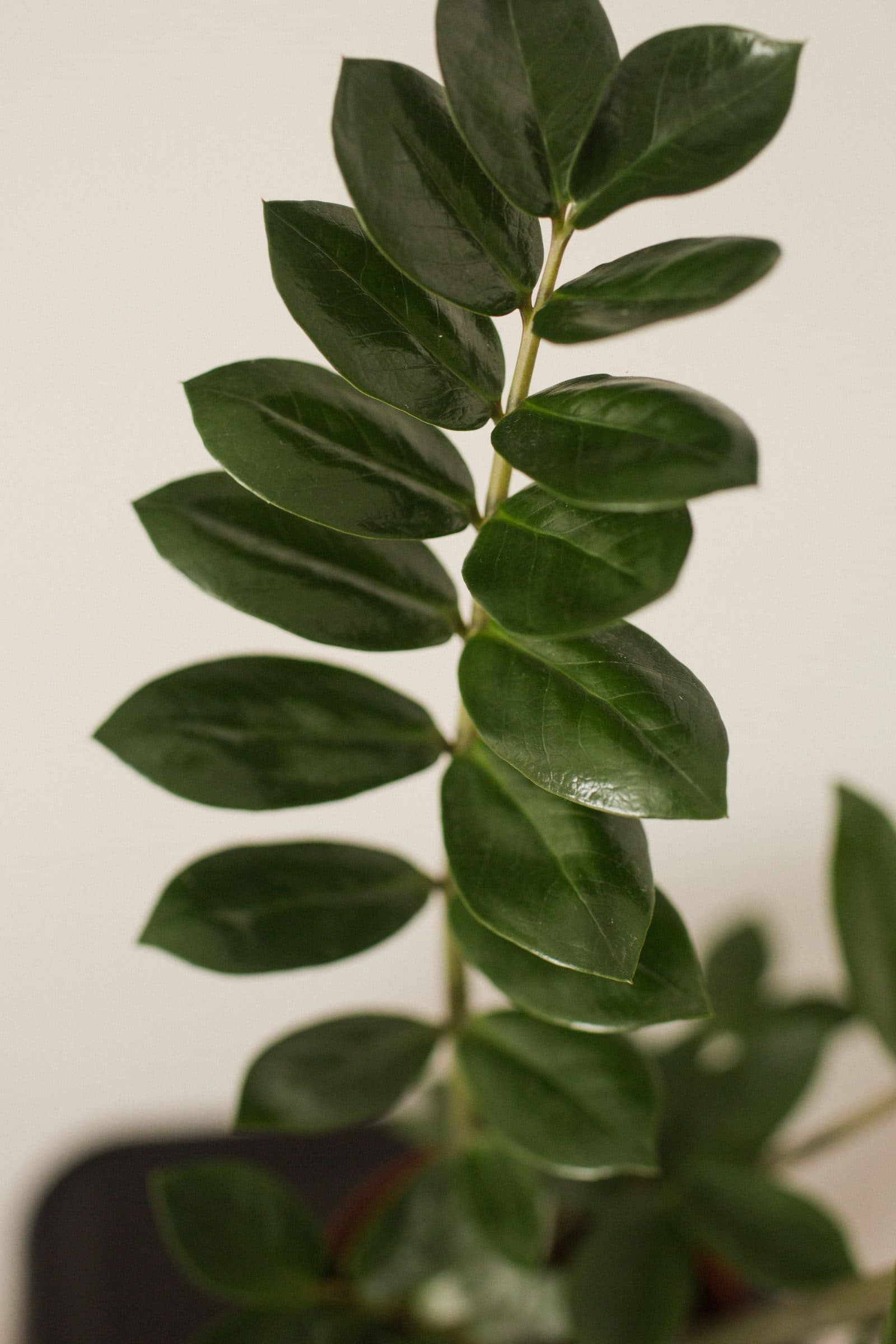
Zamioculcas zamiifolia (ZZ plant)
Probably the single most resilient plant for dark spaces. It has underground rhizomes that act as a water reserve. It puts up with weeks of neglect. Toxic to dogs and cats (ASPCA).
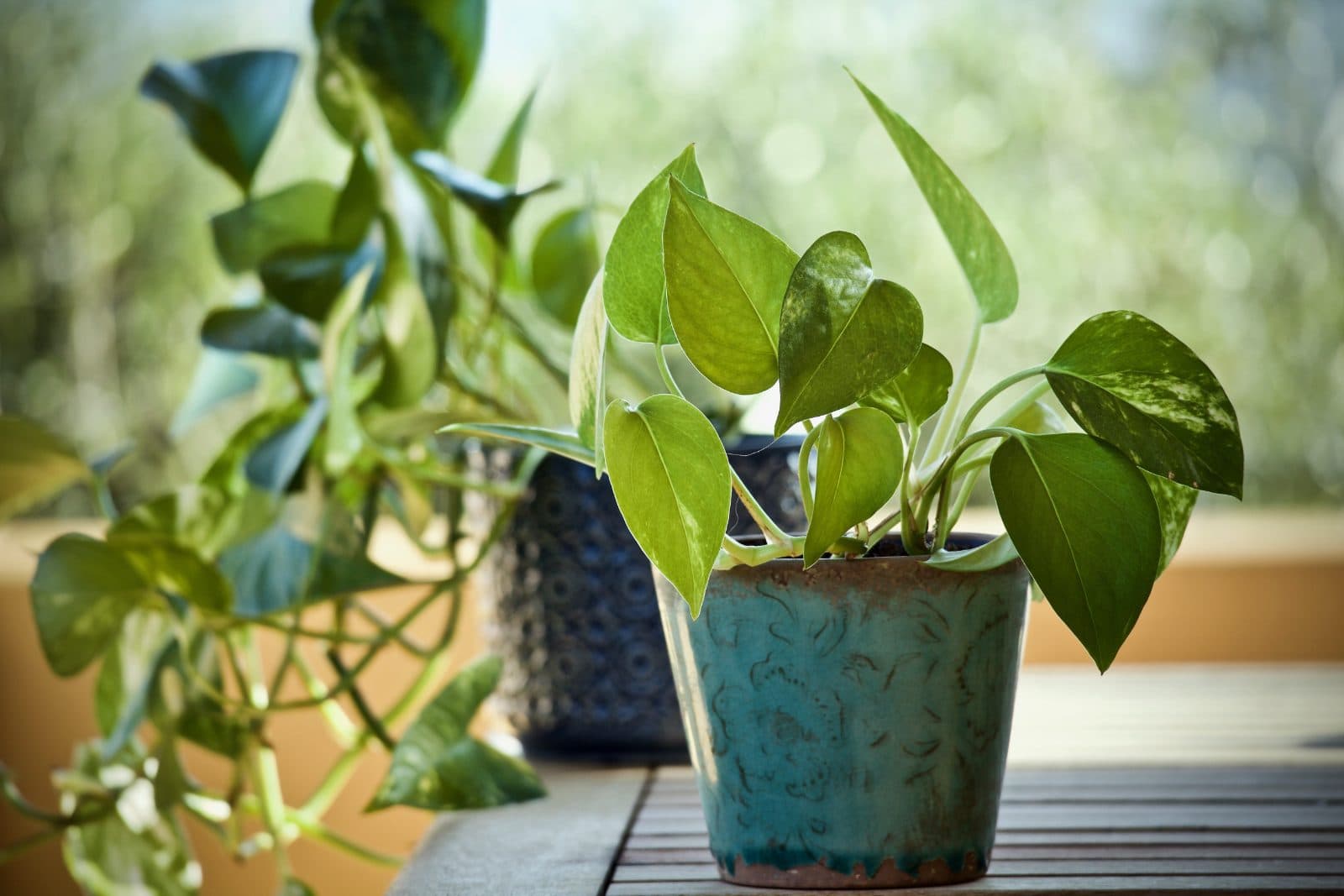
Pothos (Epipremnum aureum)
Climbing or trailing, it grows even with very modest light, although variegated varieties tend to lose their patterns in deep shade. Extremely easy to propagate. Toxic to dogs and cats (ASPCA).
Aspidistra elatior
It's no coincidence it's nicknamed the "cast iron plant." It tolerates shade, draughts and neglected spaces like few others. Slow-growing. Non-toxic to dogs and cats according to the ASPCA.
Heartleaf philodendron (Philodendron hederaceum)
Similar to pothos in its ease of care and shade tolerance. Toxic to dogs and cats (ASPCA).
Peace lily (Spathiphyllum)
It tolerates shade better than almost any other flowering plant, but to actually flower it needs medium to bright indirect light: in deep shade it stays healthy and green while producing almost no spathes. It tells you it's thirsty by drooping its leaves and bounces back quickly after watering. Toxic to dogs and cats (ASPCA).
Want a care plan tailored to your plants?
Join the waitlist: species ID, diagnosis and the Gemma assistant, with the lifetime founder discount.
Plants for a windowless bathroom
A windowless bathroom combines two challenges: very little light and high humidity. The good news is that several plants actually love humidity, as long as there's a minimum of brightness.
The real problem is light, not humidity. If the bathroom has no natural light source at all and the lamp is only switched on for a few minutes a day, no plant survives for long. The solutions:
- Take turns. Keep two specimens and rotate them every one or two weeks between the bathroom and a brighter room.
- Add a small LED grow light, switched on for a few hours a day with a timer.
In a humid, low-light bathroom the species that really work are pothos and the peace lily. The Boston fern (Nephrolepis exaltata) loves humidity but not deep shade: it wants medium to bright indirect light and thins out badly below that, so in a windowless bathroom it only holds up with a grow light or by alternating it with a bright room. Of these, only the Boston fern is non-toxic to dogs and cats according to the ASPCA, while pothos and the peace lily are toxic. Avoid succulents and cacti: constant humidity makes them rot.
Plants for the office and desk
The office is a classic tricky environment: often artificial light, dry air from air conditioning, and weekends with no one around to water. You need plants that forgive neglect and aren't bothered by fluorescent light.
The best candidates for a desk:
- ZZ plant and sansevieria: they survive a long weekend, holidays and artificial light without batting an eye.
- Pothos in a small or hanging pot: it copes with very little light, and does better still with a desk lamp close by, switched on for several hours a day.
- Aspidistra for the darkest corners of the room.
A couple of handy tips for the office:
- Light from monitors, and from ceiling LEDs or fluorescent tubes at that distance, counts for little to the plant: a lamp close to the plant, on for several hours a day, genuinely helps, while overhead lighting does very little.
- With the dry air from air conditioners, check that the leaf tips don't dry out. If that happens, move the plant away from the direct airflow.
If you travel often or easily forget to water, an app like Greenkeep sends you a tailored reminder for each plant, calculated on the real conditions you keep it in.
How to keep them healthy in low light
Care in dark spaces is almost entirely about water. Here are the rules that make the difference between a plant that lasts for years and one that rots in a month.
Always water less
In low light the soil dries slowly. Push a finger into the soil down to the second knuckle: if it's still moist, wait. Most of these plants prefer to stay a little too dry rather than too wet. Soft, drooping leaves are often precisely a sign of overwatering.
A pot with drainage holes
Non-negotiable. A pot with no drainage, in the shade, is an almost guaranteed recipe for root rot.
Clean the leaves
Dust reduces the light the leaf can capture, and in shade every ray counts. Wipe a damp cloth over broad leaves every couple of weeks.
Feed sparingly
A plant that grows little consumes little. In spring and summer, a diluted organic fertiliser (for example based on worm castings or plant extracts) once a month or even less is enough. In autumn and winter, stop.
Rotate the plants
Turn them now and then and, if possible, let them rest for a few days in a brighter spot. It's the most effective trick for truly dark corners.
Let AI tell you exactly what to do
Join the waitlist: species ID, diagnosis and the Gemma assistant, with the lifetime founder discount.
Keep reading
Frequently asked questions
No. All plants need at least a little light for photosynthesis. There are, however, very tolerant species, such as the ZZ plant, sansevieria and aspidistra, that make do with weak indirect light. In completely dark spaces you need an LED grow light or to rotate the plants into brighter rooms.
The ZZ plant (Zamioculcas zamiifolia) and sansevieria are among the most indestructible: they have internal water reserves, tolerate shade and put up with weeks without care. They're ideal for beginners or anyone who often forgets to water. Be careful, though: both are toxic to dogs and cats according to the ASPCA.
In a windowless bathroom the challenge is light, not humidity. If there's at least a lamp on for several hours a day, pothos and the peace lily will do well. The Boston fern loves humidity but not deep shade: here it only holds up with a grow light or by alternating it with a brighter room. Without any light, it's best to keep two specimens and rotate them with a brighter room, or install a small grow light.
Far less than those in the sun. In low light growth slows and the soil stays moist for a long time, so the main risk is overwatering. Check with your finger: only water when the soil is dry deep down. For many of these species that means every two or three weeks, sometimes even less.
It's completely normal. With less light, photosynthesis is reduced and the plant produces new leaves more slowly. It's not a sign of illness. If you want livelier growth, move it to a brighter spot or add an LED light, but cut back on watering to avoid waterlogging.
Sources
Related guides
 Plants & pets
Pet-Safe Houseplants for Cats and Dogs
A practical guide to choosing non-toxic houseplants if you live with a cat or a dog, with the safest species and the behaviours to keep an eye on.
Read the guide Choosing & buying
Air-Purifying Houseplants: What the Science Really Says
Which plants actually improve the air in your home and what the research really says, somewhere between the NASA myth and reality. An honest list to help you choose well.
Read the guide Diagnosing problems
Dry, Brown Leaf Tips: What They Mean
Dry, brown leaf tips often tell a story of air that's too dry, uneven watering or a build-up of salts. Here's how to read the symptom and put things right naturally.
Read the guide