
Why Plant Leaves Turn Yellow
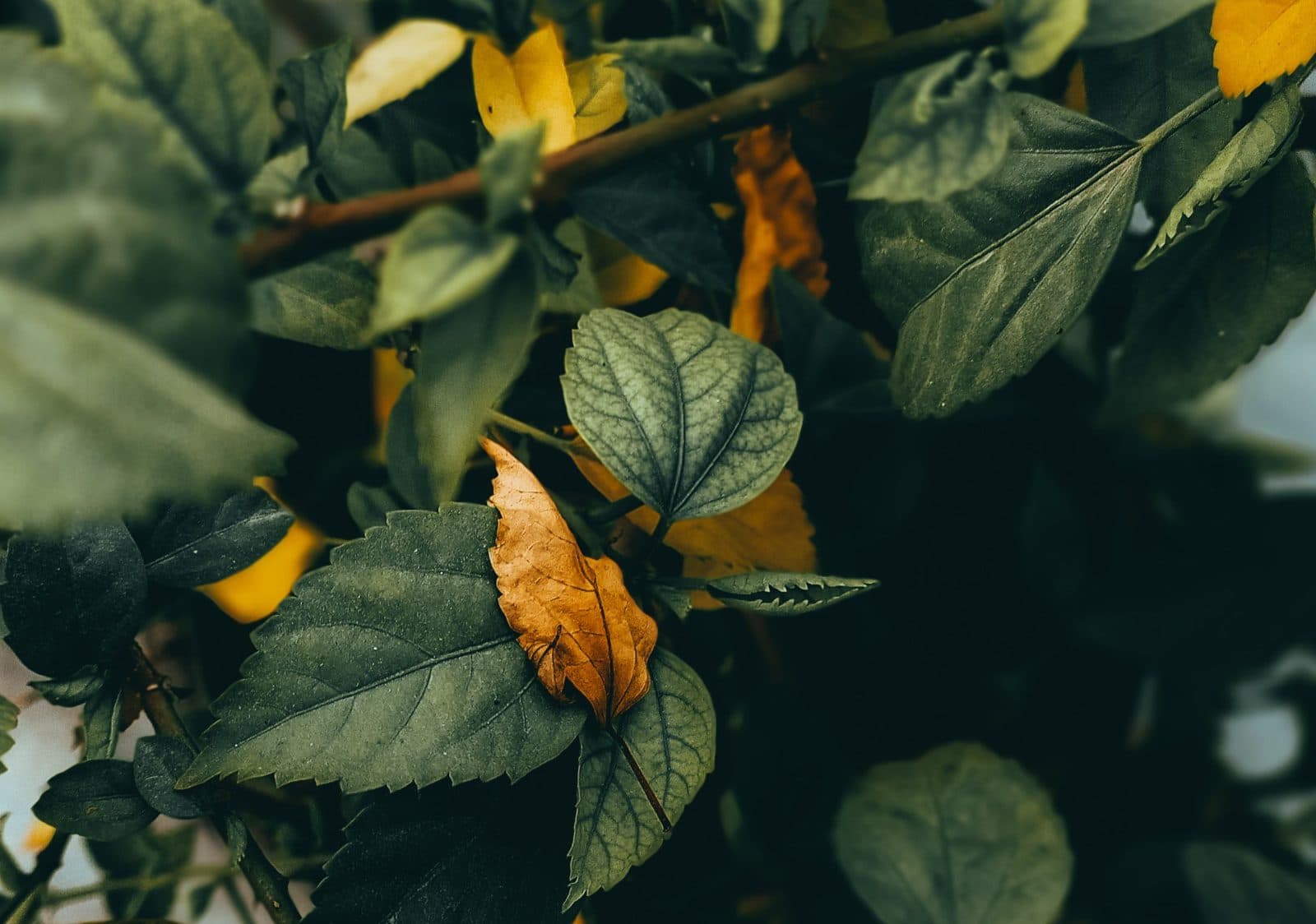
Seeing a leaf turn yellow almost always brings a little anxiety, but it isn't automatically a disaster. Yellow is only a symptom, and the same colour can stem from opposite causes: too much water or too little, a dim room or depleted soil. The key is reading the details: which leaves are yellowing, where, with what texture, and how fast. In this guide we'll look at how to reach a sensible diagnosis and what to do, with gentle interventions and no synthetic chemicals.
How to read the yellow: observe before you act
Before you change anything, gather a few clues. The right questions often lead straight to the cause.
- Which leaves? The old ones at the bottom, the new ones at the top, or a bit everywhere?
- What kind of yellow? Uniform, or is the blade yellowing while the veins stay green?
- What texture do they have? Soft and limp, or dry and papery?
- How fast? The odd leaf now and then, or several within a few days?
- What's changed recently? Repotting, a move, the heating coming on, a change in watering.
Keep one thing in mind: a single old leaf at the bottom turning yellow and dropping is almost always normal. The plant recycles resources from its older leaves to feed the new ones. The problem becomes real when the yellowing is widespread, rapid, or hits the young growth.
Overwatering: the most common (and misunderstood) cause
Overwatering is the prime suspect for houseplants: the trouble is that it's often mistaken for thirst, and the instinctive reaction becomes watering even more. When the soil stays soggy for a long time, the roots can't breathe, they rot and stop absorbing water and nutrients. The result, paradoxically, is a plant that looks thirsty.
Typical signs of overwatering:
- yellow and soft leaves, sometimes translucent or with dark spots
- yellowing that often starts low down but can spread
- constantly wet soil, a stale smell
- a soft stem base, possibly mould on the surface
What to do:
- Stop watering and let the soil dry out. Push a finger in a few centimetres: if it's damp, wait.
- Check that the pot has drainage holes and always empty the saucer.
- If you suspect advanced rot, slide the plant out of its pot and check the roots: healthy ones are pale and firm, rotten ones are dark, soft and foul-smelling. Trim the damaged parts with clean scissors and repot in fresh, free-draining soil.
- From then on, water only when the top few centimetres of substrate have dried out.
A lack of water, by contrast, produces yellow leaves that are dry and crisp, with browning edges, and soil that pulls away from the pot. In that case, simply return to regular watering, possibly soaking the pot in water until the substrate rehydrates.
Want a care plan tailored to your plants?
Join the waitlist: species ID, diagnosis and the Gemma assistant, with the lifetime founder discount.
Low light and lower leaves dropping
When a plant gets less light than it needs, it tends to sacrifice its older leaves and those in shade, lower down or toward the interior. These yellow slowly and fall, while the plant stretches its stems toward the window and produces smaller leaves spaced further apart.
It's not an emergency like root rot, but it does mean the spot isn't ideal.
What to do:
- Move the plant closer to a bright window, avoiding the harsh, direct midday sun for species that prefer filtered light.
- Rotate the pot every one or two weeks so it grows evenly.
- Wipe dust off the leaves with a damp cloth: a dirty surface captures less light.
Yellowing of the lower leaves deserves a close look, because it can be harmless (natural ageing) or the first sign of too much water or too little light. Check the texture and the soil to figure out which of the two it is.
Nutrient deficiencies and iron chlorosis
If you water and light it well but the leaves keep fading, it may be a nutrient deficiency. Potting soil becomes depleted over time, and after many months without feeding, plants feel the effects.
Nitrogen deficiency: the old leaves yellow first, fairly uniformly, because the plant moves nitrogen toward new growth.
Iron chlorosis: this is a recognisable case. The young leaves yellow while the veins stay green, giving a net-like effect. Iron isn't necessarily missing from the soil, but it becomes scarcely available when the substrate is too alkaline or constantly soggy.
What to do, keeping it natural:
- Feed during the growing season with a balanced organic fertiliser, for example based on mature compost, worm castings or plant extracts, following modest doses.
- For iron chlorosis, fix the conditions first: improve drainage, reduce waterlogging and, if needed, use a chelated iron suitable for potted plants.
- If you haven't repotted in a couple of years, a change of fresh soil often restores nutrients and structure with nothing else needed.
- Avoid home remedies with no real effect, like rusty nails in the pot: they don't supply iron in a usable form.
The case of pothos and other common plants
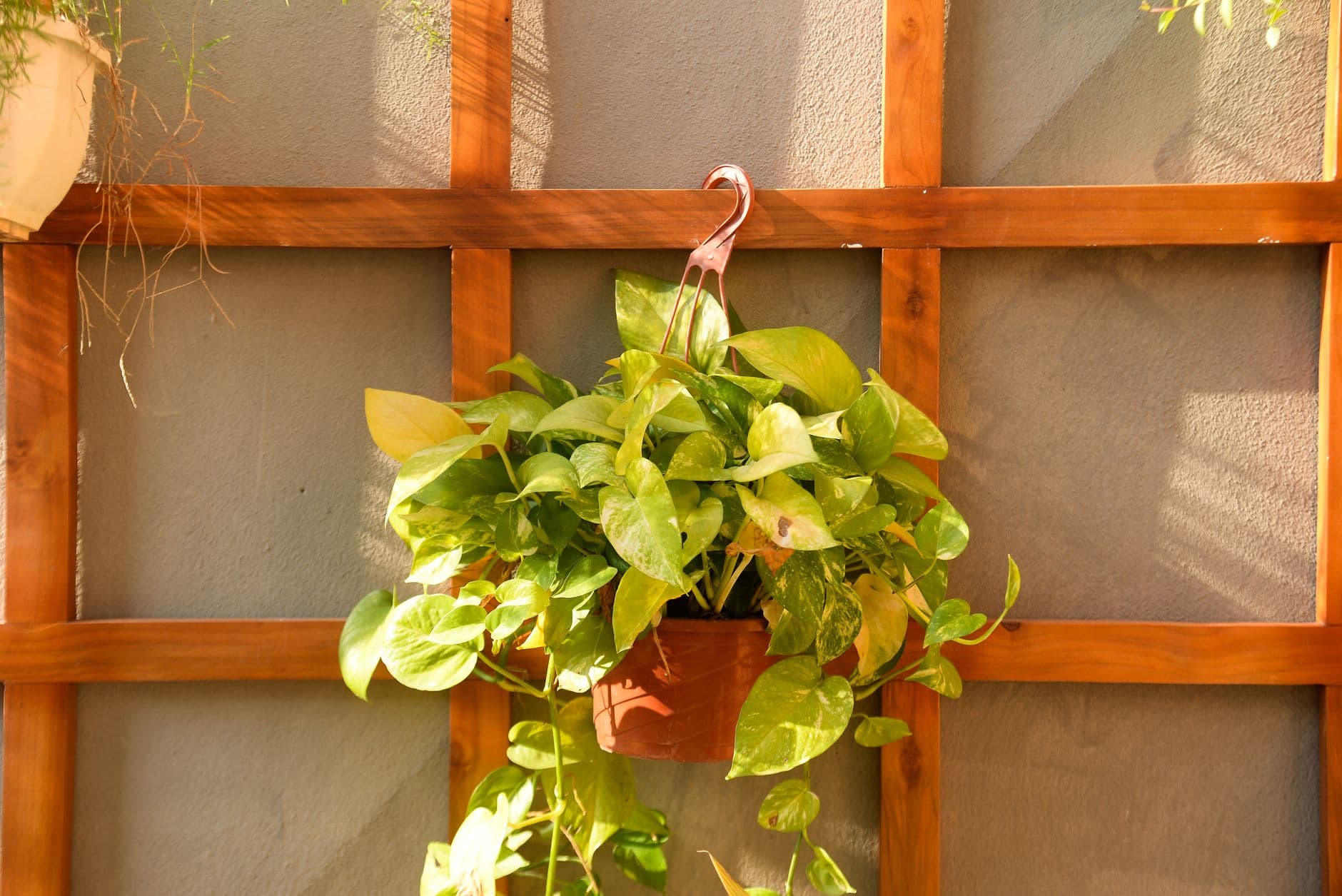
Pothos (Epipremnum aureum) is one of the plants that prompts this question most often, because it's extremely widespread and tolerant, so it reacts visibly when something's wrong.
In pothos, yellow leaves usually point to overwatering: it's a plant that prefers to dry out between waterings and suffers in constantly wet soil. If the yellow leaf is soft and the substrate is damp, cut back on watering. If, on the other hand, the yellow comes with dry edges and the plant is clearly thirsty, it's the opposite.
Light matters for pothos too: in deep shade the variegated leaves lose their colour and the older ones yellow more easily. Plenty of indirect light keeps it in good shape.
For those living with animals, remember that pothos is classified as toxic to dogs and cats according to the ASPCA, so it's best kept out of reach; if it's eaten, it's worth contacting a poison control centre or the vet.
Different plants have different thresholds: a fern wants constant moisture, a succulent hates excess water. When in doubt, always start from the specific needs of your species. If you're still getting to grips with the basics, a general overview helps you avoid the most common mistakes.
When the symptom is confusing: photograph and compare
The trouble with yellow leaves is that the same colour can tell opposite stories. Too much or too little water, poor light, deficiencies: the symptoms resemble each other and it's easy to misdiagnose by eye, perhaps watering more a plant that's already drowning.
A practical approach is to document. Take a close-up photo of the affected leaf, one of the whole plant, and note what's changed recently in watering and position. Comparing over time helps you see whether the situation is improving or getting worse.
With Greenkeep you can photograph the leaf directly: the photo diagnosis helps tell apart the typical pictures, for example overwatering from low light or a nutrient deficiency, and points you toward the right remedy before you act. It's a useful starting point especially when the signals are ambiguous and you don't know where to begin.
Let AI tell you exactly what to do
Join the waitlist: species ID, diagnosis and the Gemma assistant, with the lifetime founder discount.
Keep reading
Frequently asked questions
A leaf that's already fully yellow won't turn green again, so you can remove it for the sake of appearance and to help the plant focus its energy elsewhere. Use clean scissors and cut at the base. If, instead, the leaf is only partly yellowed and the cause is under control, you can also leave it: the plant will shed it on its own once it has recovered the remaining nutrients.
The combination of yellow with a soft, limp or translucent texture almost always points to overwatering and possible root problems. Check the soil: if it's soggy, stop watering, check the pot's drainage and, if you suspect rot, inspect the roots, removing the dark, soft parts.
Iron chlorosis mainly affects the young leaves: the blade turns pale yellow while the veins stay green, creating a net-like pattern. It often comes from soil that's too alkaline or constantly wet, which makes iron scarcely available. It's corrected first by improving drainage and watering and, if needed, with a chelated iron for potted plants.
It's often natural ageing: the plant withdraws resources from its older leaves to feed new growth, and the odd lower leaf yellowing now and then is normal. It becomes a warning sign if many leaves drop together, a possible clue to overwatering or insufficient light.
Usually not. In pothos, yellow more often signals too much water: let the soil dry out between waterings and place it in plenty of indirect light. If, instead, the leaves are dry and the plant is thirsty, return to regular watering. Remember that pothos is toxic to dogs and cats according to the ASPCA.
Sources
Related guides
 Plants & pets
Pet-Safe Houseplants for Cats and Dogs
A practical guide to choosing non-toxic houseplants if you live with a cat or a dog, with the safest species and the behaviours to keep an eye on.
Read the guide Choosing & buying
Air-Purifying Houseplants: What the Science Really Says
Which plants actually improve the air in your home and what the research really says, somewhere between the NASA myth and reality. An honest list to help you choose well.
Read the guide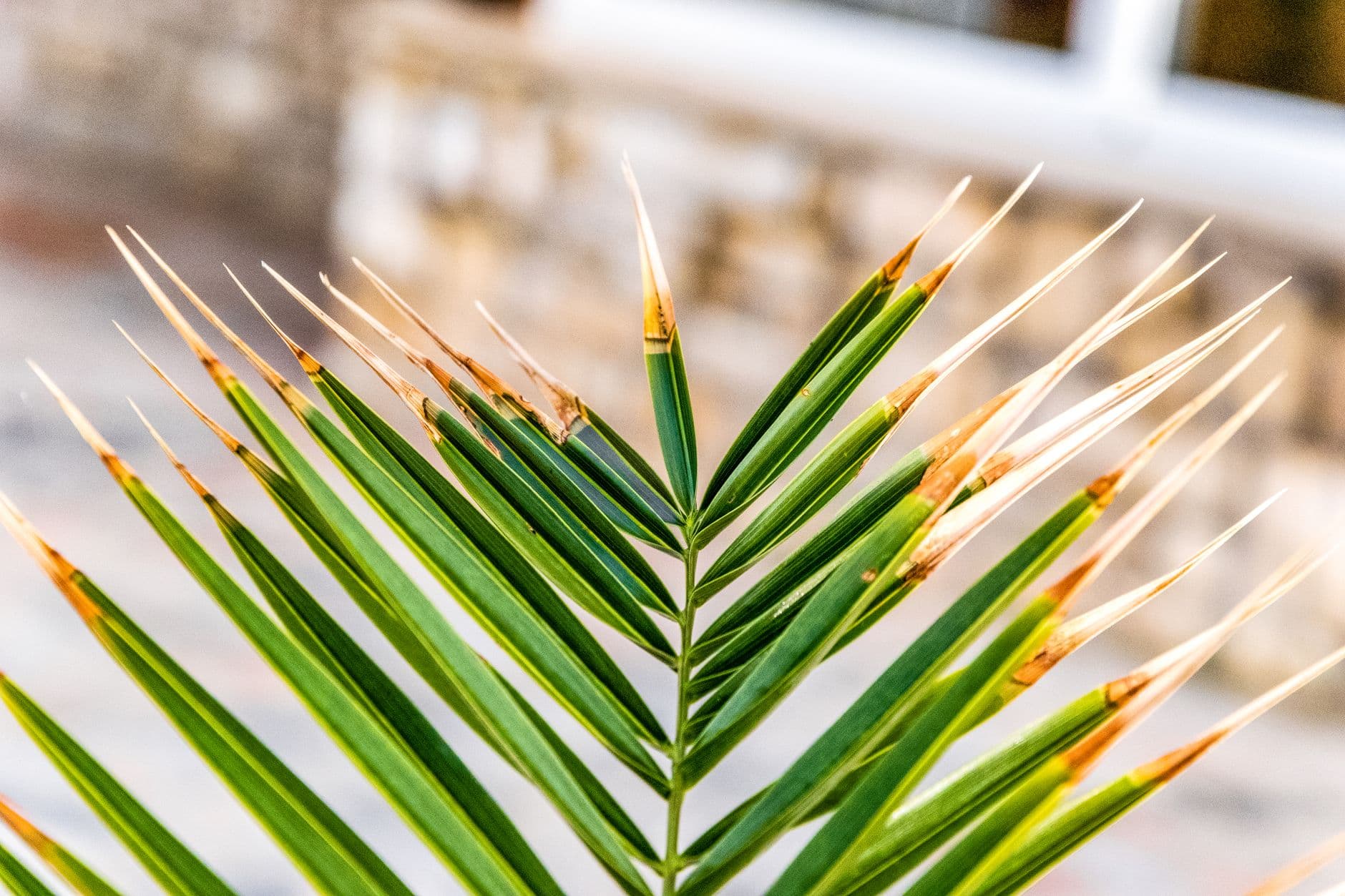 Diagnosing problems
Dry, Brown Leaf Tips: What They Mean
Dry, brown leaf tips often tell a story of air that's too dry, uneven watering or a build-up of salts. Here's how to read the symptom and put things right naturally.
Read the guide