
How to Care for Monstera deliciosa
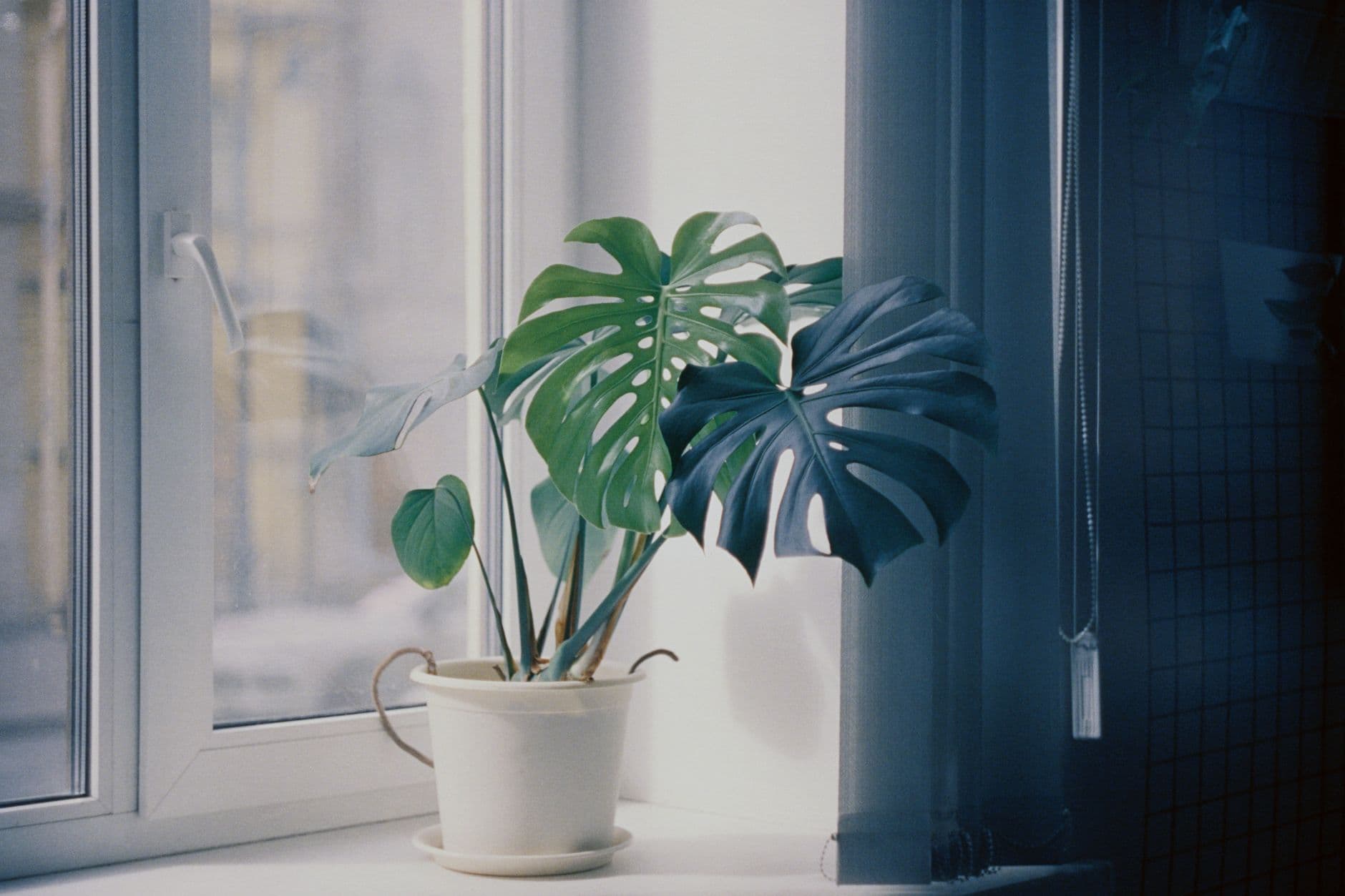
Photo by Elena Golovchenko
Monstera deliciosa is one of the most beloved houseplants, and it's easy to see why: huge, glossy, holey leaves that instantly give your home a tropical feel. Behind that exuberant look, however, is a plant with specific needs, and they fit in a few lines: plenty of light but filtered, water only when the top 3-5 centimetres of soil are dry, a substrate that drains well and a support to climb. Understanding where it comes from helps you care for it well: in the forests of Central America it grows by climbing tree trunks, its roots clinging to the bark and its leaves reaching toward the light filtered through the canopy. Recreating these conditions, at least in part, is the secret to keeping it thriving. In this guide you'll find everything you need, from watering to the holes that fail to appear, all the way to the brown spots that always cause worry.
How much light does a monstera want
Monstera loves plenty of light, but indirect. In the wild it lives beneath the tree canopy, so it receives lots of filtered brightness and almost never direct sun on its leaves.
The ideal spot
- Near a bright window facing east or west, or a little way from a south-facing window with a sheer curtain to filter the rays.
- Avoid direct sun during the middle of the day: it scorches the leaves and leaves faded or burnt patches.
- In spots that are too dark the plant grows slowly, stretches its stems toward the light and produces small, whole leaves.
Signs to watch for
New leaves that get progressively smaller, long bare stems with widely spaced leaves (etiolation): it needs more light. Pale, dry patches on the upper surface: too much direct sun. Rotate the pot now and then so growth stays balanced on all sides.
How often and how much water to give
The most common mistake with monstera is watering too often. The roots need to dry out between waterings, otherwise they rot.
The finger test
Push a finger into the soil up to the second knuckle. If the top 3-5 centimetres are dry, it's time to water; if they're still damp, wait a few days. When you water, do so generously until water runs out of the drainage holes, then empty the saucer: the roots must not sit in stagnant water.
How often, in practice
There's no fixed number of days, because it depends on light, temperature, pot size and season. Generally you water about once a week in spring and summer and less frequently in autumn and winter, when growth slows. Rather than counting days, it's better to check the soil.
A personalised reminder in the Greenkeep app helps you not forget to check without falling into the opposite trap of watering on a fixed schedule. The right rhythm comes from watching the plant: stretch the intervals when growth slows, shorten them when it picks up again.
Want a care plan tailored to your plants?
Join the waitlist: species ID, diagnosis and the Gemma assistant, with the lifetime founder discount.
Soil, pot and humidity
Monstera wants a substrate that holds a little moisture but above all drains well and lets air reach the roots.
The right substrate
A good mix is quality all-purpose potting soil lightened with orchid bark, perlite or coconut fibre. These materials create air pockets and stop the soil from compacting. Always use a pot with drainage holes.
Repotting
Repot every one or two years, in spring, when the roots fill the pot or poke out of the holes. Choose a container only slightly larger than the previous one: a pot that's too big holds too much water.
Humidity and temperature
It's a tropical plant and likes medium-to-high ambient humidity. Indoors, especially in winter with the heating on, the air becomes dry and the leaf tips can dry out. Grouping plants together helps and a humidifier is by far the most effective option; a saucer with expanded clay and water (without the pot sitting in the water) raises humidity only slightly, and only right around the plant. Keep the plant away from radiators and cold draughts; temperatures below 10-13 °C damage it. To feed it, in spring and summer a diluted organic fertiliser (such as a worm extract or liquid compost) about once a month is enough; in winter feeding is suspended.
For the full step-by-step repotting procedure, see how to repot a houseplant.
Why the leaves don't split
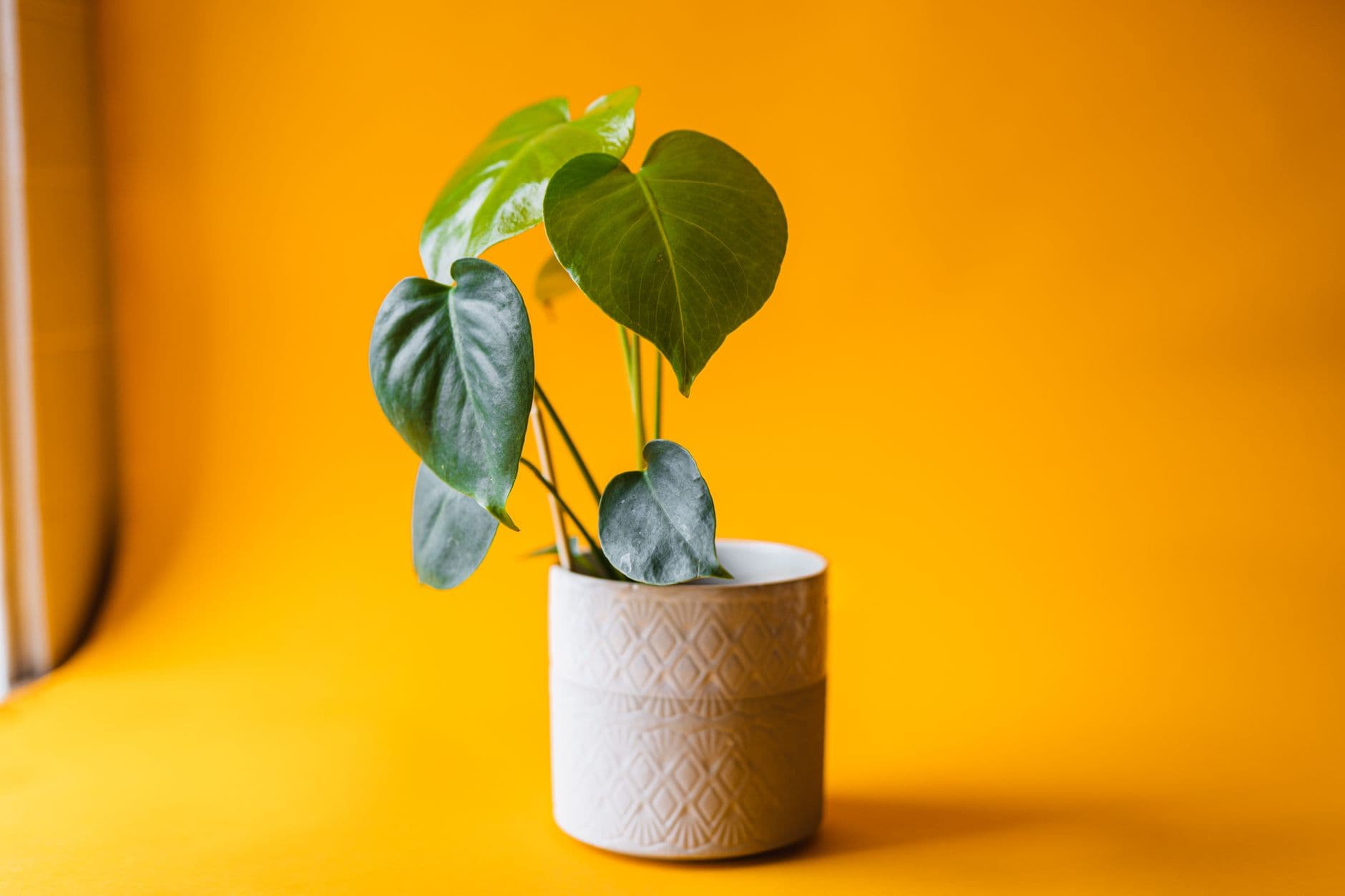
This is the most frequent question among those who buy a young monstera. The characteristic holes and slits (called fenestrations) aren't there from the start: they appear as the plant matures.
It's normal at first
Young leaves are heart-shaped and whole. As the plant grows and produces larger leaves, slits begin to appear along the edge first, then actual holes. A small monstera making solid leaves is simply running its natural course.
What encourages fenestrations
- Enough light: this is the most important factor. With little light the leaves stay small and whole.
- Maturity and support: in the wild it climbs, and the habit of climbing stimulates larger, holey leaves. A moss pole (sphagnum) or a stake for the stems to cling to helps a great deal.
- Consistent care: a well-fed, well-watered plant grows more vigorously and matures sooner.
If your monstera is already mature, gets good light and keeps producing small, whole leaves, the problem is almost always the amount of light.
Aerial roots: what to do with them
Those thick cords sprouting from the stem are the aerial roots, and it's completely normal for them to be there. They help the plant cling to supports and, in part, absorb moisture.
What to do
- Leave them: the simplest and most natural option. You can guide them toward a moss pole, which encourages them to attach and support the plant.
- Direct them into the pot: the longer, more flexible aerial roots can be gently bent and tucked into the soil, where they'll keep growing.
- Prune them only if necessary: if they really bother you, you can cut a few with clean scissors, without overdoing it. Removing too many weakens the plant.
There's no need to constantly soak them in water or wrap them in wet materials: just maintain good ambient humidity. Keep them free of dust, just as you do with the leaves.
Brown spots and other common problems
Spots and dry tips are almost always a symptom of how water or the environment is being managed, rather than of actual diseases.
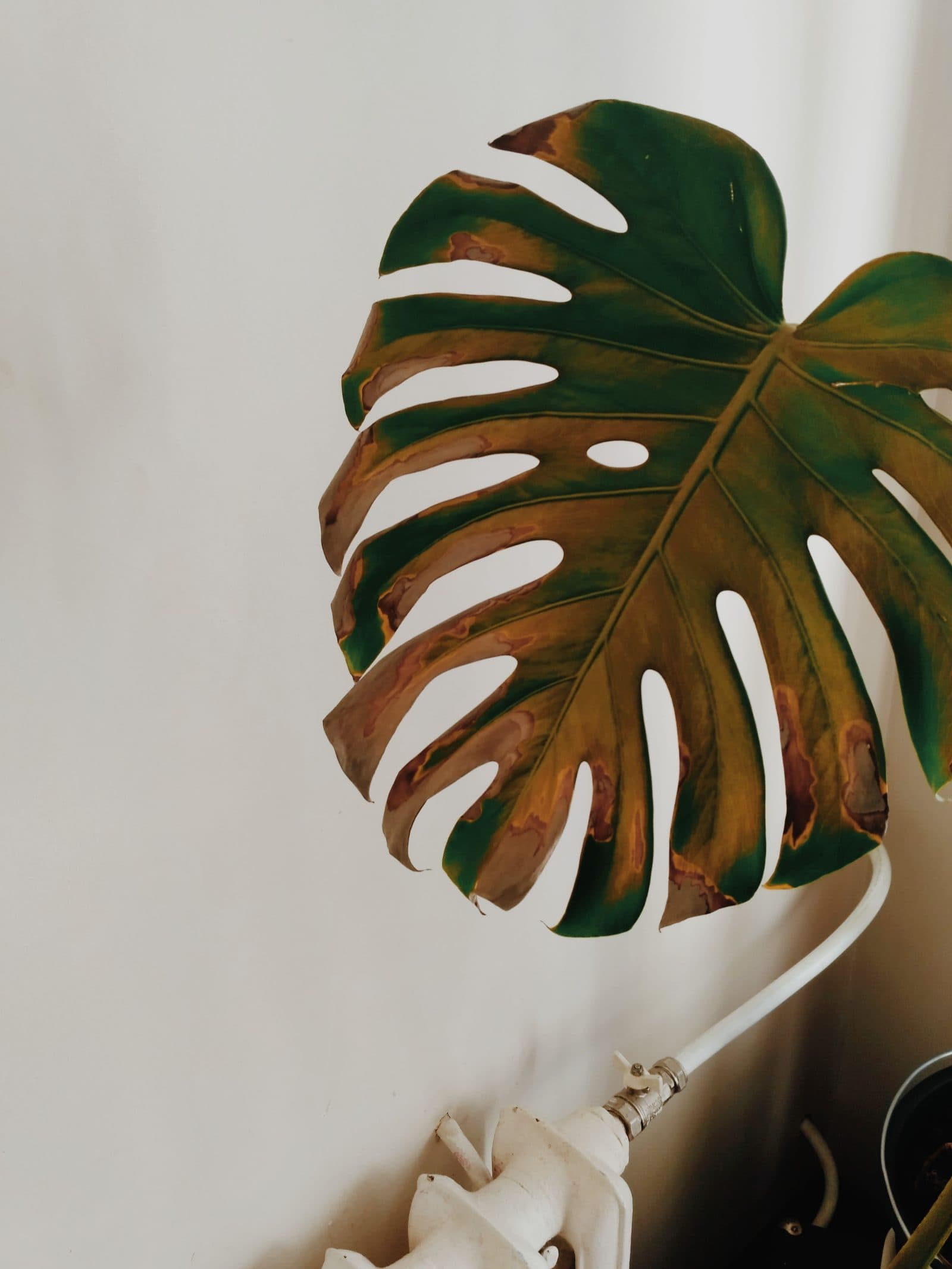
Dry, brown tips and edges
These usually indicate air that's too dry, soil left to dry out too long, or a build-up of salts from excessive feeding. Raise the humidity, regularise your watering and cut back on fertiliser.
Dark, soft brown spots
Dark, wet spots, perhaps accompanied by yellowing leaves and a rotten smell from the soil, often signal overwatering and possible root rot. Let the substrate dry out well, check the roots (rotten ones are soft and dark), remove the affected parts with a clean blade and, if needed, repot in fresh, well-draining soil.
Pale, dry patches
On the upper surface, often caused by direct sun. Move the plant into filtered light.
Yellow leaves
The odd yellow leaf, especially older ones lower down, is natural. If many leaves yellow at once, there's usually too much water. You'll find a complete overview of the causes in the guide on yellow leaves.
Pests
Monsteras can host scale insects and spider mites, especially in hot, dry, dusty air. Check the underside of the leaves and isolate an affected plant straight away. For spider mites, start with a thorough rinse of the foliage, undersides included, and keep the leaves free of dust; if that isn't enough, potassium soap or a horticultural oil on the leaf undersides, repeated every 5-7 days for at least three rounds, because they do not kill the eggs. For mealybugs, dab each insect with a cotton swab soaked in isopropyl alcohol at 70% or less, then spray potassium soap every 5-7 days to catch the mobile crawlers; for armoured scale it is a horticultural oil, applied with thorough coverage, that smothers the settled adults too, repeated at intervals of weeks. Neem is at best partial support against the young stages, not the first remedy. Whatever you use, test it on a few leaves first, never in full sun, above 30 °C or on a thirsty plant, and follow the doses on the label.
Diagnosis with Greenkeep
When a symptom isn't clear, Greenkeep's species profile and photo diagnosis help you tell a sun-scorch spot from the onset of rot, pointing you toward the right remedy before the problem gets worse.
If you notice white, cottony fluff in the leaf axils, it's mealybug: see how to recognise and get rid of it.
Is monstera toxic to dogs and cats?
Yes. According to the ASPCA classification, Monstera deliciosa is toxic to dogs and cats. It contains calcium oxalate crystals: if chewed or swallowed it can cause irritation and burning in the mouth, excessive drooling, difficulty swallowing and vomiting.
What to do
Keep the plant out of reach of animals (and small children) and wash your hands after pruning, because the sap can also irritate the skin. If you suspect your pet has eaten parts of the plant, contact your vet or an animal poison control centre. The good news is that, in most cases, the pungent taste discourages animals from eating large amounts.
Let AI tell you exactly what to do
Join the waitlist: species ID, diagnosis and the Gemma assistant, with the lifetime founder discount.
Keep reading
Frequently asked questions
Not on a fixed schedule, but when the top 3-5 centimetres of soil are dry. In spring and summer this happens on average once a week, in winter much less often. Always check with your finger before watering and empty the saucer after watering.
Young leaves are whole: the holes appear as the plant matures. The most important factor is light: with little brightness the leaves stay small and closed. Provide plenty of indirect light and a support to climb on to encourage large, fenestrated leaves.
They're normal and help the plant cling. You can leave them, guide them toward a moss pole, or bend the longer ones and tuck them into the soil. Only prune them if they really get in the way, using clean scissors and without removing too many.
Dry tips and edges generally indicate air that's too dry or irregular watering. Dark, soft spots, on the other hand, signal overwatering with possible root rot. Pale, dry patches on the upper surface are usually sunburn from direct sun.
Plenty of bright, indirect light, like that filtered beneath the tree canopy in its natural habitat. Avoid direct sun during the middle of the day, which burns the leaves, and spots that are too dark, which make it grow leggy with small leaves.
Sources
Related guides
 Plants & pets
Pet-Safe Houseplants for Cats and Dogs
A practical guide to choosing non-toxic houseplants if you live with a cat or a dog, with the safest species and the behaviours to keep an eye on.
Read the guide Choosing & buying
Air-Purifying Houseplants: What the Science Really Says
Which plants actually improve the air in your home and what the research really says, somewhere between the NASA myth and reality. An honest list to help you choose well.
Read the guide Diagnosing problems
Dry, Brown Leaf Tips: What They Mean
Dry, brown leaf tips often tell a story of air that's too dry, uneven watering or a build-up of salts. Here's how to read the symptom and put things right naturally.
Read the guide