
Scale Insects on Plants: Spot and Get Rid of Them
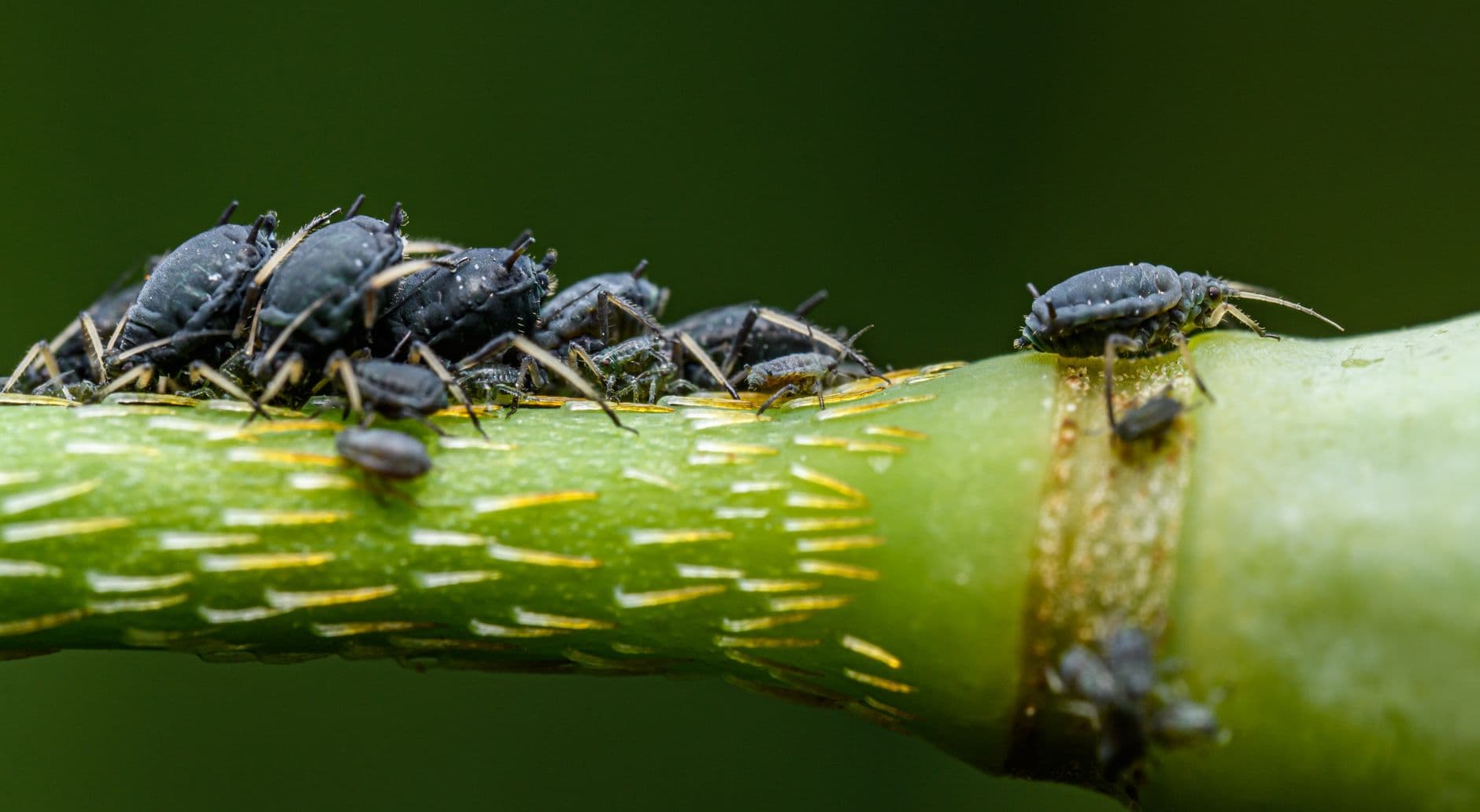
Photo by Petr Ganaj
Whitish, cottony patches in the leaf axils, brown shields clinging to the stems, a sticky film glistening on the leaf blades: these are the tell-tale signs of scale insects, one of the most common pests affecting houseplants. They are tiny insects that suck the sap and weaken the plant little by little, often going unnoticed until the infestation is already well under way. The good news is that, caught in time, scale insects are easy to eliminate with simple, low-impact methods, without resorting to synthetic insecticides. They are still treatments to dose properly and to test on a few leaves first. In this guide we look at how to recognise them, why they appear and how to get rid of them step by step.
What scale insects are and how to recognise them
Scale insects are not a single species but a large group of insects that feed by sucking sap from leaves and stems. On houseplants you will mostly come across two types.
Mealybugs
The most common indoors. They form small white, soft, waxy masses resembling tufts of cotton wool, which nestle where leaf meets stem, along the veins and at the base of shoots. Beneath that waxy coating lies the insect itself, oval and soft. It is mobile, though it moves slowly.
Armoured scale and brown soft scale
These appear as small round or elongated bumps, brown, beige or almost black in colour, clinging firmly to the stem and the underside of the leaves. They look like crusts or little scabs and are often mistaken for part of the plant. As adults they remain motionless, protected by their shield.
The signs to watch for
- White tufts or brown shields concentrated on shoots and leaf axils.
- Leaves that feel sticky to the touch and a glossy film on the surfaces below (this is honeydew, more on that later).
- Yellowed, deformed leaves, or leaves that drop for no obvious reason.
- Slowed growth and stunted shoots.
The species most affected indoors are those with fleshy or leathery leaves: cacti and succulents, orchids, ficus, dracaenas, potted citrus and many others. If you are not sure what you are looking at, Greenkeep's photo diagnosis can help you confirm that it really is scale and suggest the most suitable course of action, so you keep track of the treatment you have started and when to repeat it.
Why scale insects appear
Scale insects thrive under very specific conditions, and understanding them helps you avoid dealing with them again and again.
- Steady warmth and a humid microclimate. Unlike spider mites, which love dry air, scale insects prefer warm, fairly humid conditions (roughly 20-28 °C) and settle in the moister pockets of the plant, such as the leaf axils. Infestations explode in winter because constant warmth keeps the plant growing without a pause and stressed plants make an easy target.
- Stressed plants. A plant weakened by too much or too little water, by poor light or by an unbalanced fertiliser is more vulnerable. Excessive, nitrogen-rich feeding produces soft tissue that the insects love.
- Poor ventilation. Stagnant air and spaces crowded with plants make it easy for the pest to move from one pot to another.
- Infested new plants. Scale insects often enter the home on a newly bought or gifted plant. That is why it is worth keeping every new arrival in quarantine for at least a month, away from the others, and inspecting it carefully: one generation takes one to three months, and a hidden ovisac will not show itself in two weeks.
Keeping plants healthy is the first line of defence. Correct watering and adequate light make plants less appealing and better able to fight back.
Want a care plan tailored to your plants?
Join the waitlist: species ID, diagnosis and the Gemma assistant, with the lifetime founder discount.
Honeydew and sticky leaves
If you notice glossy, sticky leaves, perhaps with the surface of the furniture beneath the plant feeling tacky to the touch, you have found honeydew. It is a sugary substance that scale insects excrete as they feed on the sap.
Honeydew itself does not pierce the leaves, but it creates two problems:
- Sooty mould. A black, powdery mould develops easily on that sugary film. It does not directly attack the tissue, but it coats the leaf blade and reduces photosynthesis, weakening the plant further.
- Attracting other insects. The sugar draws ants and other pests.
To remove honeydew and sooty mould, simply wipe the leaves with a soft cloth dampened with lukewarm water, or gently wash them under the shower if the plant allows it. Remember, though, that cleaning off the honeydew solves nothing: as long as the scale insects remain, the sticky substance will reappear. The insects must be eliminated, and cleaning the leaves is only a complementary step.
How to eliminate scale insects naturally
For small or medium infestations you do not need chemical products. Here are the most effective natural methods, in order of the severity of the problem.
Alcohol and cotton, at the earliest sign
This is the quickest remedy for a few clusters. Soak a cotton bud or a wad of cotton wool in 70% isopropyl alcohol, or in denatured alcohol diluted with water to about 70% (two parts 90° alcohol to one part water), and dab each insect directly: the alcohol dissolves the waxy coating and kills them. Stronger concentrations do not kill any better, they only raise the risk of burns and marks on the leaves. It works well against mealybugs and any reachable scales. After a few minutes, rinse or wipe over the treated areas with water. On plants with thin or delicate leaves, test on one leaf first, as the alcohol can mark them.
Soft soap (or pure Marseille soap)
Potassium soft soap, diluted in water, works on contact by breaking down the insects' defences. Dissolve about 10–20 grams of soft soap per litre of lukewarm water (or, alternatively, flakes of pure Marseille soap, with no fragrance or additives) and spray the whole plant thoroughly, working especially under the leaves and in the axils. Repeat every 5–7 days for a few weeks, so you catch the crawlers as they hatch: that is the only stage contact products really kill. Rinse the leaves the next day to avoid soap build-up. Spray in the evening or away from direct sun, never on a thirsty plant and not above about 30 °C: soap scorches leaves in sun and heat just as neem does. Here too, do a test on part of the plant.
Neem oil
Neem oil is a plant extract that interferes with the insects' life cycle and reduces their feeding. Use a product formulated for plants, not pure cosmetic-grade oil, and dilute it following the label doses, often with the addition of a small amount of soft soap as an emulsifier. Spray in the evening or away from direct light to avoid scorching the leaves, covering all surfaces. It needs to be repeated in weekly cycles, and it is a support, not a replacement for the other methods: against adult scales, protected by their waxy armour, it achieves little on its own. If you treat plants outdoors, avoid any in bloom and the hours when pollinators are active; on vegetables and herbs use only products authorised for edible crops, respecting the pre-harvest interval on the label.
Manual removal and pruning
On sturdy plants, scraping off the scales with a soft brush and cutting away the most heavily infested shoots speeds up recovery. Throw the debris in the bin, not into the home compost if the infestation is significant.
Isolate and repeat
Move the affected plant away from the others until it is clean, and check the nearby pots: scale insects spread easily. No remedy works in a single application: the eggs, sheltered inside the cottony ovisac, and the adults, tucked under their waxy shield, survive contact treatments. The stage that is genuinely vulnerable is the crawler, the mobile juvenile that has not yet built its waxy coating. Consistency in repeating the treatments is what really makes the difference.
With Greenkeep you can log the treatment (for example neem or soft soap) and get a reminder of when to repeat it, so you keep up the weekly rhythm needed to break the pest's cycle.
Preventing a comeback
Once the infestation is gone, the goal is not to see it again. A few habits greatly reduce the risk.
- Check often. Inspect the leaf axils, the backs of the leaves and the base of the shoots every one or two weeks, especially in winter, when constant warmth keeps the pest active.
- Quarantine new plants. Keep every new arrival separate for at least a month and observe it before bringing it close to the others.
- Don't overdo the fertiliser. Overly nitrogen-rich feeding stimulates soft shoots that attract pests. Feed in a balanced way and only during the growing season.
- Clean the leaves. Dusting and washing the leaves now and then lets you spot an outbreak straight away, as well as keeping dust at bay.
- Look after the basics. Sufficient light, correct watering and some air circulation keep plants vigorous and less vulnerable.
Prevention costs a few minutes and saves you weeks of treatments.
Let AI tell you exactly what to do
Join the waitlist: species ID, diagnosis and the Gemma assistant, with the lifetime founder discount.
Keep reading
Frequently asked questions
Yes, for small, localised clusters it is one of the quickest methods. Alcohol at 70% applied with a cotton bud dissolves the insect's waxy protection and kills it on contact. On thin-leaved plants, test on a small area first, as it can leave marks, and rinse after a few minutes.
Generally every 5–7 days for at least three or four weeks. The eggs inside the cottony ovisac and the adults under their waxy shield survive a single treatment: by repeating it you hit the newly hatched crawlers, the only stage that is genuinely vulnerable to contact remedies. Keep going until you no longer see any insects or fresh honeydew.
No, the tacky film is the honeydew produced by scale insects: as long as the insects remain, it will reappear. You can clean the leaves with a damp cloth to remove honeydew and any black sooty mould, but the problem is only solved by eliminating the pest.
They are similar in action but not identical. Potassium soft soap is specifically designed for use on plants. As an alternative you can use pure Marseille soap, with no fragrance or additives, dissolved in water. Both work on contact and should be rinsed off the leaves the next day.
It is a plant extract that is generally well tolerated when used at the recommended dilutions: choose a product formulated for plants and follow the label doses. To avoid scorching, spray it in the evening or away from direct light and always test on a few leaves first. Covering the underside of the leaves well too increases its effectiveness. Outdoors, do not treat plants in bloom, to protect pollinators, and on vegetables and herbs use only products authorised for edible crops.
Sources
Related guides
 Plants & pets
Pet-Safe Houseplants for Cats and Dogs
A practical guide to choosing non-toxic houseplants if you live with a cat or a dog, with the safest species and the behaviours to keep an eye on.
Read the guide Choosing & buying
Air-Purifying Houseplants: What the Science Really Says
Which plants actually improve the air in your home and what the research really says, somewhere between the NASA myth and reality. An honest list to help you choose well.
Read the guide Diagnosing problems
Dry, Brown Leaf Tips: What They Mean
Dry, brown leaf tips often tell a story of air that's too dry, uneven watering or a build-up of salts. Here's how to read the symptom and put things right naturally.
Read the guide