
Limp, Drooping Leaves: Too Much or Too Little Water?
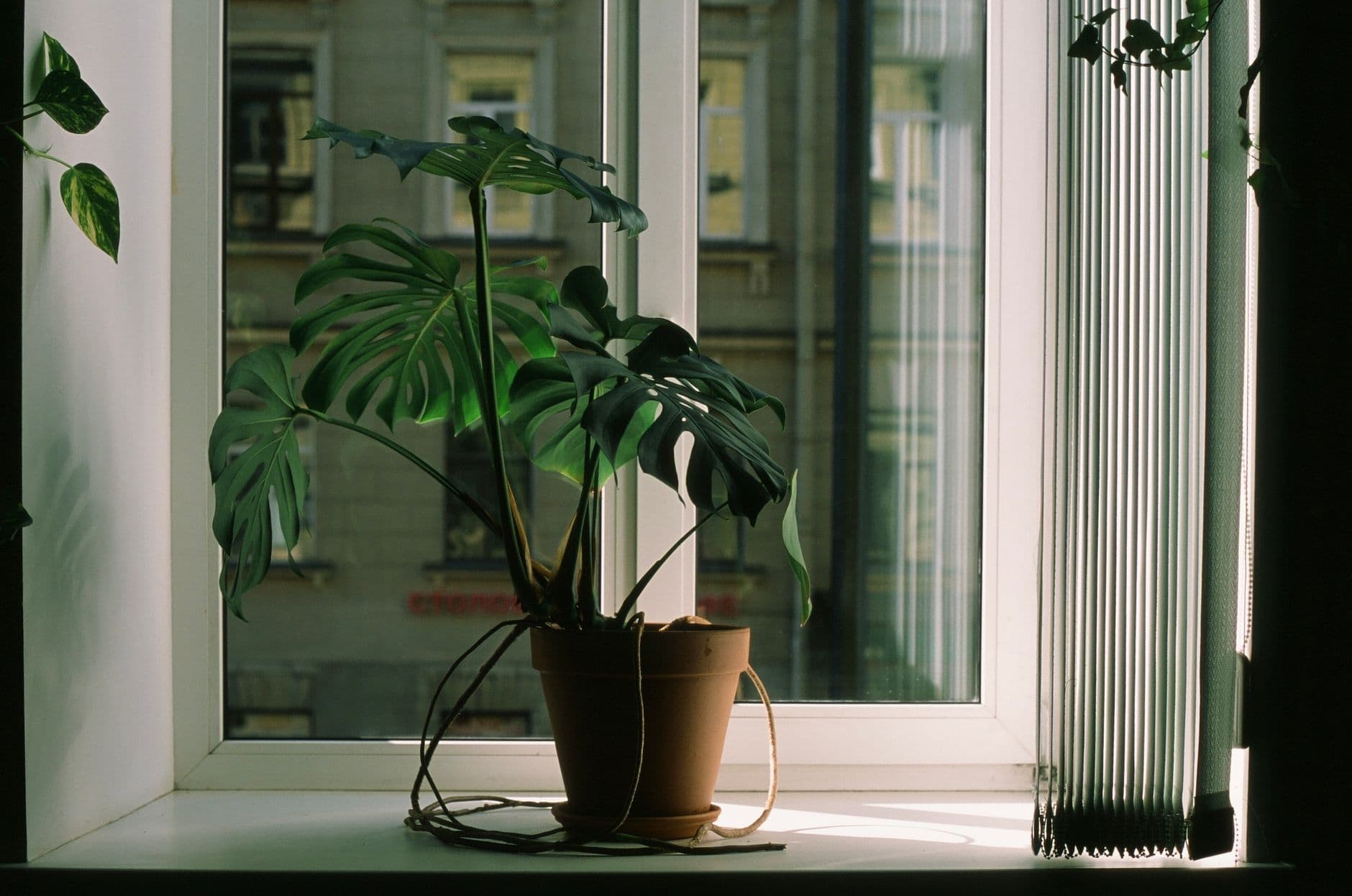
Photo by Elena Golovchenko
It's one of the most frustrating puzzles for anyone who cares for plants indoors: the leaves go floppy, lose their firmness, droop downwards, and you can't tell whether the plant is thirsty or whether you've overwatered it. The trouble is that the two opposite extremes, too much and too little water, can produce the very same initial symptom. Touching the soil and observing a few details lets you work out which way the problem lies before you make things worse with another misguided watering. In this guide we'll look at how to read the signs, how to tell the two cases apart and how to correct course with plant-friendly methods.
Why leaves turn limp and droopy
Leaves stay firm thanks to the water that fills their cells. When this balance breaks down, the leaf loses its rigidity and goes floppy. The point is that the balance can be thrown off for two opposite reasons.
- Too little water: the soil is dry, the roots can't find water to absorb and the plant wilts from lack of moisture.
- Too much water: the soil stays soggy for a long time, the roots suffocate and begin to rot. Damaged roots can no longer absorb water, so the plant wilts all the same, even though the soil is wet.
This is the classic trap: you see the plant looking floppy, you assume it's thirsty and you add water, but if the problem was already an excess, you make everything worse. That's why, before acting, it's always best to check the actual state of the substrate rather than relying solely on how the leaves look.
Too much or too little water: how to tell them apart
The first thing to do is to push a finger into the soil for at least 3-4 centimetres, or check the weight of the pot (a light pot is a dry pot). Then look at the overall picture of the signs.
Signs you've given too little water
- Dry soil, sometimes pulling away from the edges of the pot.
- Floppy leaves but still a normal colour, often with edges that turn dry and crisp.
- The plant recovers fairly quickly after an adequate watering.
- A pot that's unusually light to lift.
Signs you've given too much water
- Soil that's wet or sodden even days later.
- Leaves that are limp but also yellowed, sometimes with dark spots or a translucent look.
- Leaf drop, including the lower leaves, without them drying out first.
- An unpleasant or rotten smell from the soil, a sign of struggling roots.
- The plant stays floppy despite the moist soil: this is the classic case of a "plant that wilts but the soil is wet".
When the symptoms are unclear, it helps to keep track of when and how much you water. On Greenkeep you can upload a photo for an initial diagnosis and check your watering history: being able to see at a glance whether the plant has stayed too long in the wet or too long in the dry helps you work out which way the problem lies.
Want a care plan tailored to your plants?
Join the waitlist: species ID, diagnosis and the Gemma assistant, with the lifetime founder discount.
Recognising root rot
Root rot is the most serious consequence of prolonged overwatering. The roots, deprived of oxygen and submerged in water, are attacked by fungi present in the soil and begin to decompose.
Signs to look for:
- A stem base that's soft, dark or watery.
- Leaves dropping in growing numbers, often starting from the bottom.
- Growth at a standstill even during the height of the growing season.
- A rotten smell from the substrate.
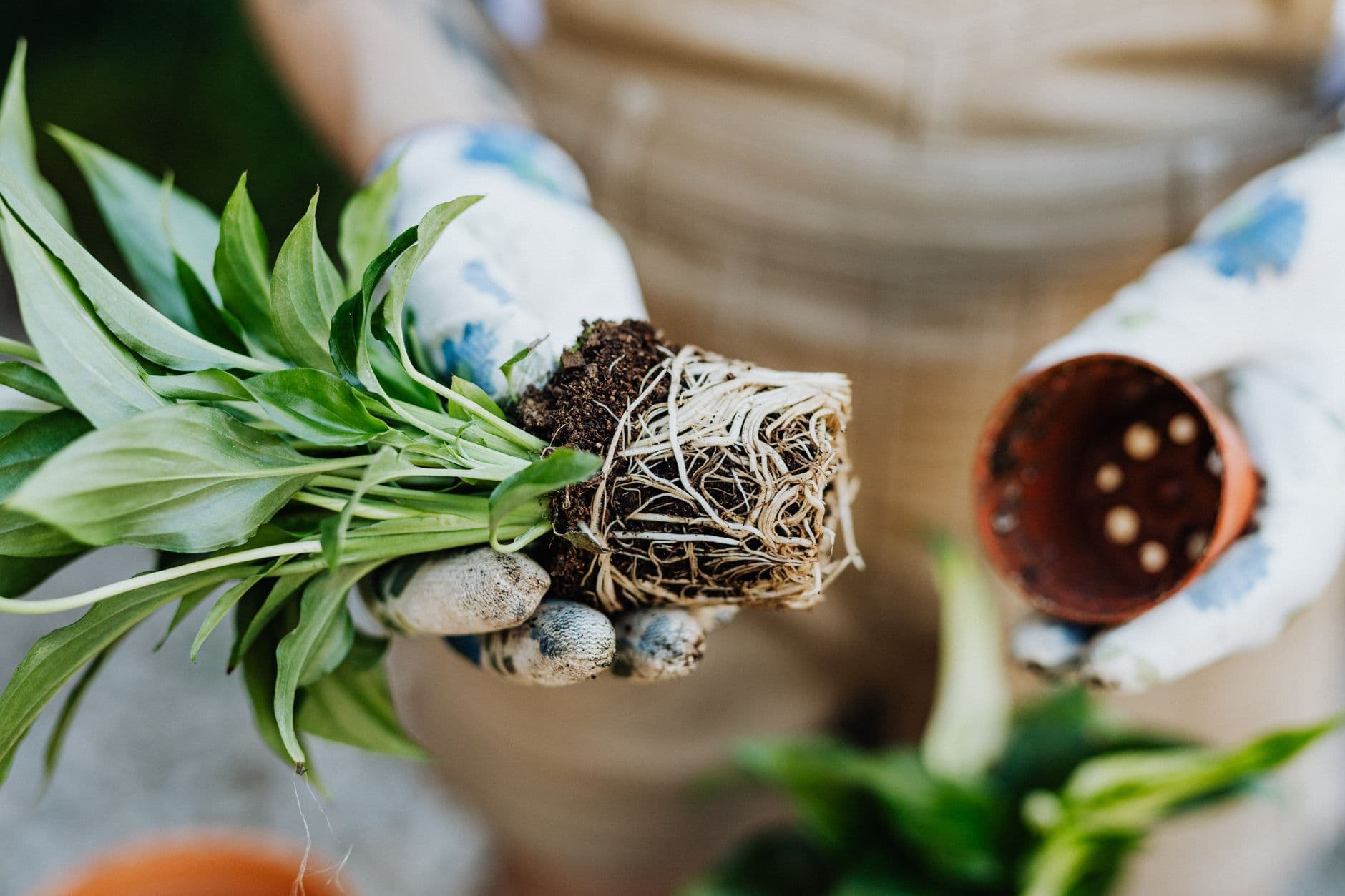
To confirm, gently slide the plant out of its pot and inspect the roots. Healthy roots are firm and light in colour (white or cream); rotten roots are soft, dark, slimy and crumble when you touch them.
What to do in case of rot
- Take the plant out of the pot and free the roots from the sodden soil.
- With clean scissors, cut away all the soft, blackened roots, leaving only the firm ones.
- Repot in fresh, well-draining soil, in a pot with a drainage hole of the right size (one that's too large holds more water than necessary).
- Water sparingly and wait for the plant to show signs of recovery before going back to a normal rhythm.
Avoid resorting to synthetic fungicide products: in the vast majority of cases, removing the diseased parts, improving the drainage and correcting your watering is enough.
What to do right away if the plant is floppy
Once you've worked out which way the problem lies, the intervention is completely different.
If it's too little water
- Water thoroughly until water runs out of the drainage hole, so the whole root ball rehydrates.
- If the soil is so dry that it repels water, soak the pot in a basin of water for 20-30 minutes, then let it drain well.
- Keep the plant away from direct heat sources in the hours that follow.
If it's too much water
- Stop watering immediately and empty any full saucer.
- Move the plant to a bright, airy spot to help the soil dry out.
- If the soil stays soggy for days, consider repotting with fresh substrate and check the state of the roots.
- Don't water again until the top few centimetres of soil have dried out.
A plant under water stress needs time to recover: don't add fertiliser at this stage, because struggling roots can't absorb it and you only risk damaging them further.
Preventing the problem with proper watering
The most reliable rule isn't to water on a fixed schedule, but according to the plant's actual needs and the moisture of the substrate.
- Check before watering: push a finger into the soil. For most houseplants, you water when the top 2-3 centimetres are dry.
- Adjust to the season: in winter growth slows down and water requirements drop. With the radiators on the air is drier, but this affects ambient humidity more than the water needs at the roots, so be careful not to overwater.
- Always ensure drainage: use pots with a drainage hole and empty the saucer after every watering. Standing water at the base is the most common cause of rot.
- Choose the right pot: a pot that's too large holds a lot of soil that stays moist for a long time around the roots.
- Know your plants: a succulent and a fern have opposite needs. What's the right amount of water for one can be too little or too much for the other.
Keeping a watering log helps enormously in not losing track, especially when you have several plants with different needs. This is exactly where the Greenkeep app comes in handy: reminders adapt to the plant and the season, and the history lets you see whether a problem stems from the wrong rhythm and adjust your watering plan.
Let AI tell you exactly what to do
Join the waitlist: species ID, diagnosis and the Gemma assistant, with the lifetime founder discount.
Keep reading
Frequently asked questions
Almost always it's a sign of overwatering. Roots that have stayed too long in sodden soil struggle and can start to rot, losing their ability to absorb water. The result: the plant wilts even with moist soil. Stop watering, let the substrate dry out and check the state of the roots.
The typical signs are constantly wet soil, limp and yellowed leaves (not just dry ones), the lower leaves dropping, a possible rotten smell from the soil and growth at a standstill. If, when you slide the plant out, you find soft, dark roots, overwatering with probable rot is confirmed.
No. Drooping leaves can indicate either too much or too little water. The soil is what makes the difference: if it's dry and the pot is light, a shortage is more likely; if it's been wet for days and the leaves are yellowing, an excess is more likely. Always check the substrate before deciding.
Yes, in most cases. If the problem is thirst, after an adequate watering the plant often recovers within a few hours. If it's overwatering with the early stages of rot, you need to remove the damaged roots, repot in fresh, well-draining soil and cut back on watering. The sooner you step in, the higher the chances of recovery.
There's no single frequency that works for all plants. It's best to water according to the soil's moisture: for many houseplants you water when the top 2-3 centimetres are dry. The requirement changes with the season, the light and the type of plant, so checking the substrate remains the safest method.
Sources
Related guides
 Plants & pets
Pet-Safe Houseplants for Cats and Dogs
A practical guide to choosing non-toxic houseplants if you live with a cat or a dog, with the safest species and the behaviours to keep an eye on.
Read the guide Choosing & buying
Air-Purifying Houseplants: What the Science Really Says
Which plants actually improve the air in your home and what the research really says, somewhere between the NASA myth and reality. An honest list to help you choose well.
Read the guide Diagnosing problems
Dry, Brown Leaf Tips: What They Mean
Dry, brown leaf tips often tell a story of air that's too dry, uneven watering or a build-up of salts. Here's how to read the symptom and put things right naturally.
Read the guide