
Humidity for plants: does misting really work?
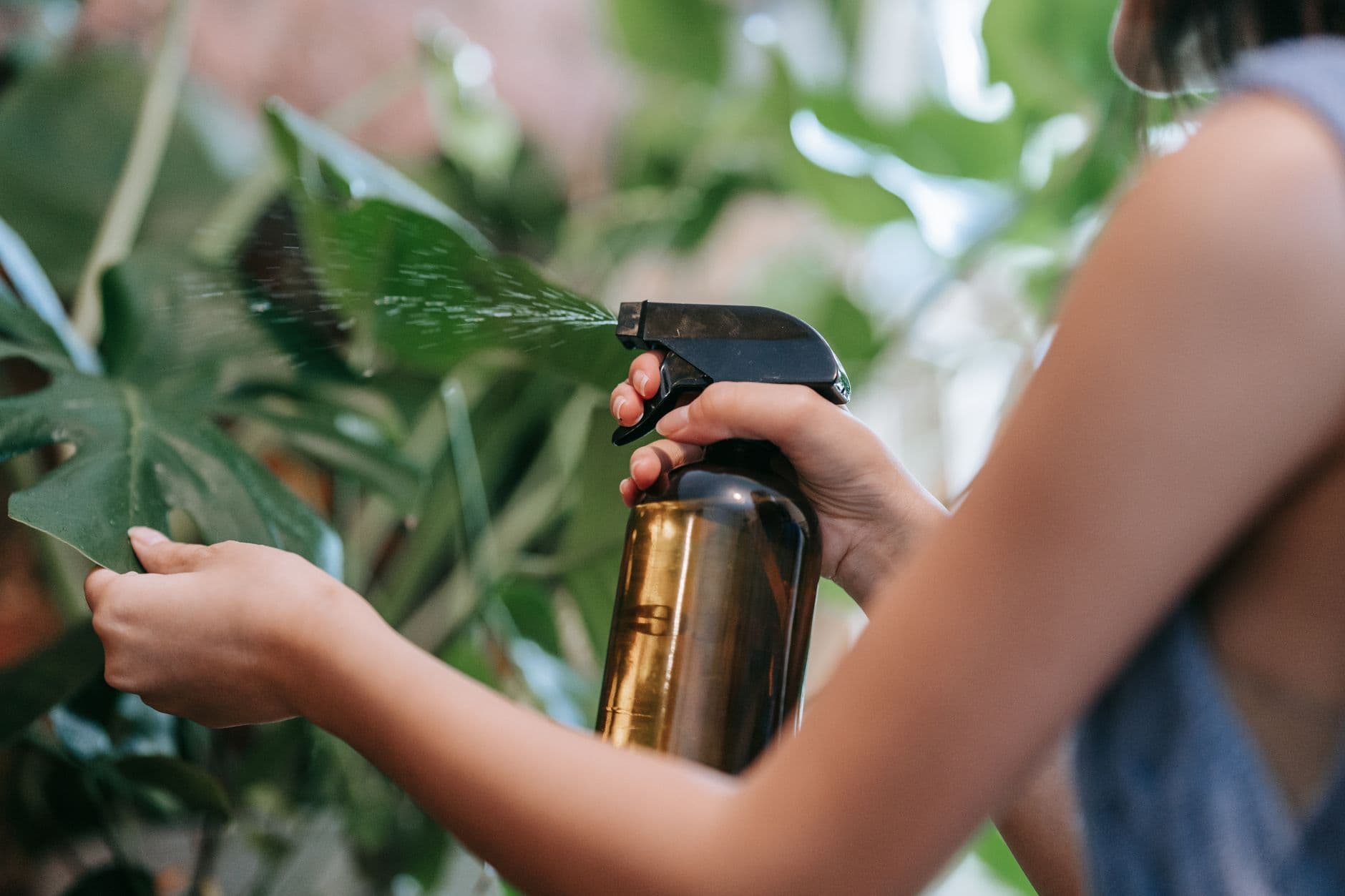
Photo by Sasha Kim
Spraying water on the leaves is one of the most common habits among people who keep plants at home, but also one of the most misunderstood. The idea is simple: many houseplants come from humid tropical forests, so misting them should recreate their climate. In practice things are more complicated, and misting often does little or nothing for the problem we're trying to solve. Let's look at what the physics of indoor air really says, when spraying makes sense and which methods raise humidity in a concrete way.
Why humidity matters (and how much you really need)
Relative humidity measures how much water vapour is present in the air compared to the maximum that temperature can hold. Plants lose water from their leaves through the stomata, and when the air is very dry this loss speeds up. If the roots can't replace the water that's been lost, brown tips, dry edges and curling leaves appear.
Most common houseplants (pothos, sansevieria, ficus, dracaenas) tolerate humidity between 40 and 60 percent without any trouble, values that are often reached indoors without any special measures. Problems arise in winter, when radiators drop the humidity even below 30 percent.
True tropicals ask for more
Ferns, calatheas, marantas, some orchids and other tropical understory species do better with humidity from 60 percent upwards. These are precisely the plants that show distress in dry air, and this is where it's worth acting on the microclimate. To understand whether your plants really are suffering from lack of humidity, look at the symptoms rather than relying on generic rules.
Misting every day: useful or pointless?
Here's the awkward part: misting raises humidity for only a few minutes. The droplets evaporate quickly and the air goes back to being as dry as before. Spraying the leaves once a day, or even several times, does not stably change the relative humidity around the plant. To get a real effect you'd have to mist practically non-stop, which is impractical.
There's also a downside. Water that stays on the leaves for a long time, especially in poorly ventilated rooms and in the evening hours, encourages fungi and leaf rot. On velvety or hairy leaves (like many calatheas) the drops can leave spots and unsightly limescale marks if the water is hard.
When misting does make sense anyway
- To briefly wet the aerial roots of epiphytes mounted on a plaque or a pole, where there is almost no substrate to hold water.
- To briefly refresh a plant that's just been repotted or a cutting that's rooting, keeping the leaves turgid in the first few days.
- As a close-inspection gesture: while you spray you can spot pests early, such as spider mites, which thrive precisely in dry air.
In Greenkeep the misting reminder appears only for the species and situations where it's genuinely needed, and it comes with an honest explanation: for many plants it's simply superfluous, and we suggest more effective methods.
Want a care plan tailored to your plants?
Join the waitlist: species ID, diagnosis and the Gemma assistant, with the lifetime founder discount.
The methods that really raise humidity
If you have demanding tropical plants or your indoor air is very dry, it's worth choosing solutions that maintain humidity over time rather than an effect that fades in a few minutes.
Grouping plants together
Placing several plants close together creates a microclimate: each one transpires and the humidity they release stays concentrated in the space between the canopies. It's a free and effective method, all the more so the more plants there are. Still, leave a minimum of air flow to avoid stagnation and fungi.
The saucer with expanded clay
It's a popular remedy, though its real effect is modest: at most a couple of percentage points, and frequently negligible right at the leaf; grouping plants and a humidifier work far better. Fill a wide saucer with expanded clay (or gravel) and add water up to just below the surface of the granules. Set the pot on top, making sure the bottom does not touch the water: as it evaporates, the water adds a little humidity around the plant, without the roots sitting in water. Top it up when it dries out.
The humidifier
It's the most powerful and consistent solution, especially in winter. A cool-mist humidifier placed near the group of plants keeps humidity at stable, adjustable values. Clean it regularly to avoid limescale build-up and bacterial growth, and use low-mineral water if the water in your area is very hard.
Naturally humid rooms
A bright bathroom or a kitchen holds more humidity than the rest of the house. Moving the most demanding species there is often the simplest move.
Dry air or a different problem? How to read the symptoms
Before chasing humidity, it's worth understanding whether that's really the cause. Many symptoms attributed to dry air actually stem from watering mistakes.
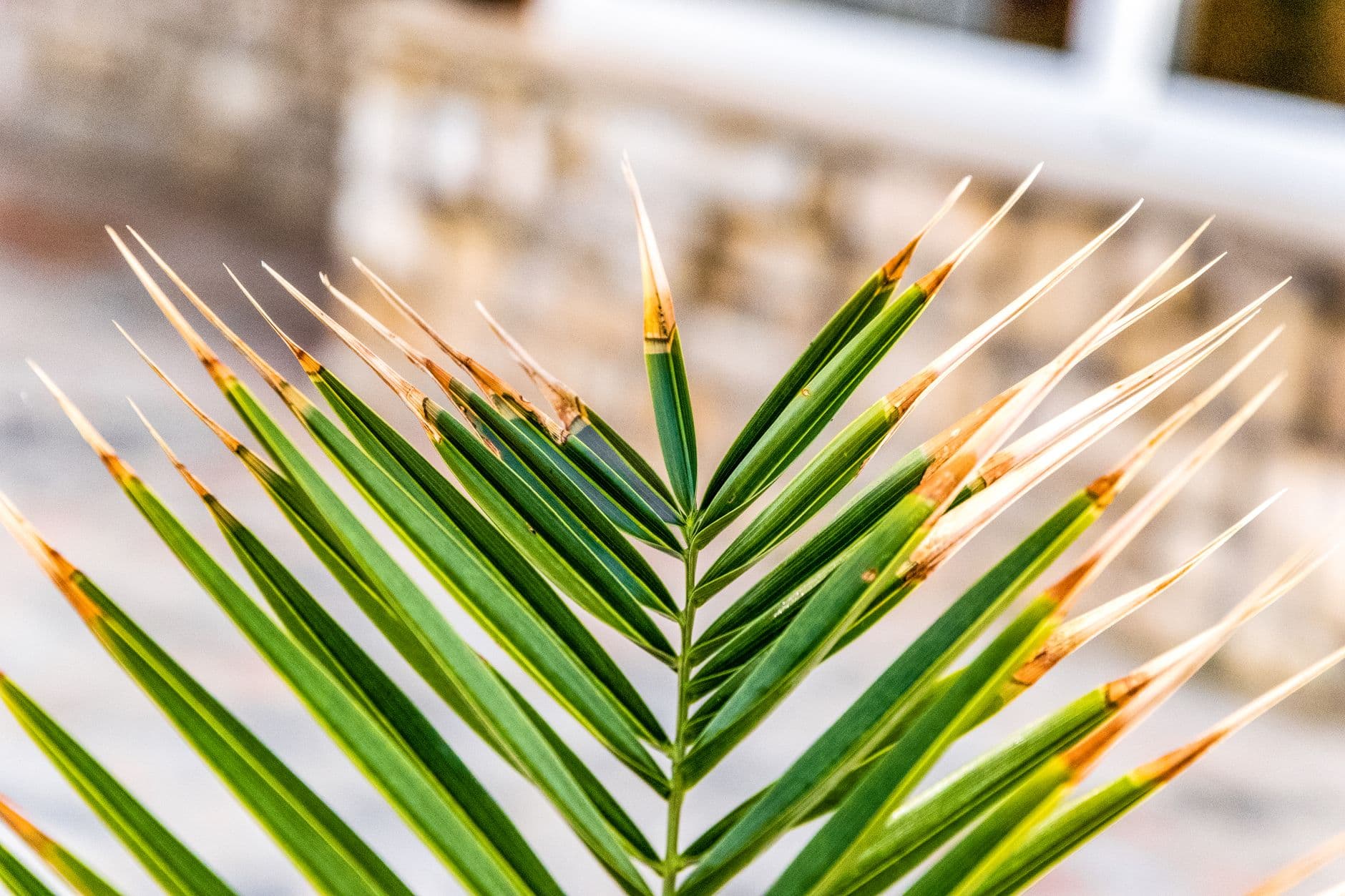
- Dry, brown leaf tips: often indicate air that's too dry, but also a build-up of fertiliser salts or hard water, or irregular watering. If it affects only the very tip of the leaf while the rest is healthy, humidity is a plausible suspect.
- Soft, yellowing or falling leaves: usually point to a water problem at the roots (too much or too little), not to air humidity.
- Fine webbing and stippling on the leaves: typical of spider mites, encouraged precisely by the dry, warm air of radiators. Here raising humidity really does help, along with manual removal and treatments with soft soap or a neem-based product used as the label directs.
Keeping a record of when you water and when symptoms appear helps distinguish the causes: Greenkeep gathers this information and helps you avoid confusing a root problem with an environmental humidity one.
Winter and radiators: the critical season
In winter, heating is the real enemy of humidity. Warm air dries out the plants, while radiators create warm currents that speed up evaporation from the leaves. Plants placed above or near a radiator suffer quite a lot.
Some tips for the cold season:
- Move plants away from direct heat sources and draughts.
- Group the most demanding species and, if needed, add a humidifier.
- Reduce watering: with less light plants grow slowly and use less water, so the risk of rot increases.
- Avoid misting in the evening in cold, poorly ventilated rooms, where the water stays on the leaves for a long time.
The combination of dry air and roots kept too wet is one of the most frequent causes of winter distress, and misting solves neither of them.
Let AI tell you exactly what to do
Join the waitlist: species ID, diagnosis and the Gemma assistant, with the lifetime founder discount.
Keep reading
Frequently asked questions
In most cases, no. Misting raises humidity for only a few minutes, then the air goes back to being dry. For a stable effect it's much better to group plants together, use a saucer with expanded clay or a humidifier. Spraying every day, besides being of little use, can encourage fungi on leaves that stay wet for a long time.
The most common houseplants do well between 40 and 60 percent relative humidity. Tropical understory plants like ferns, calatheas and marantas prefer values from 60 percent upwards. Only for the latter does it really make sense to intervene actively on the microclimate.
You fill a wide saucer with expanded clay and add water up to just below the surface of the granules. The pot is set on top without touching the water: as it slowly evaporates, the water raises the humidity around the plant without keeping the roots in water. You just top it up when it dries out.
Yes, if you want a real and consistent effect. The humidifier keeps humidity at stable, adjustable values, whereas misting fades in a few minutes. It does, however, need to be cleaned regularly, and where the water is hard it's best to use low-mineral water to avoid limescale deposits.
Not always. Dry air is a frequent cause, but brown tips and edges can also come from hard water, a build-up of fertiliser salts or irregular watering. It's best to weigh up the whole set of symptoms and your watering habits before concluding that the problem is humidity.
Sources
Related guides
 Plants & pets
Pet-Safe Houseplants for Cats and Dogs
A practical guide to choosing non-toxic houseplants if you live with a cat or a dog, with the safest species and the behaviours to keep an eye on.
Read the guide Choosing & buying
Air-Purifying Houseplants: What the Science Really Says
Which plants actually improve the air in your home and what the research really says, somewhere between the NASA myth and reality. An honest list to help you choose well.
Read the guide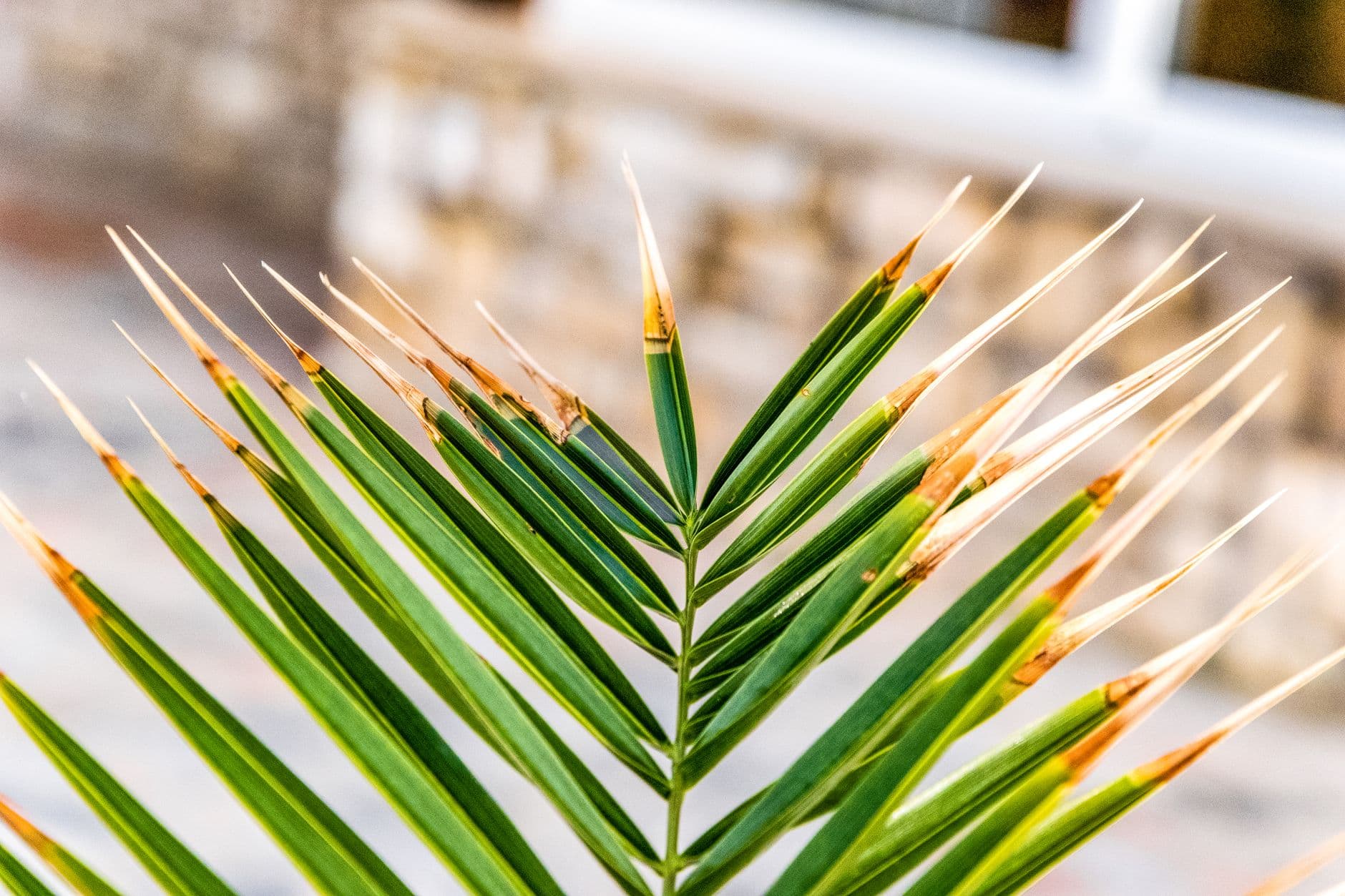 Diagnosing problems
Dry, Brown Leaf Tips: What They Mean
Dry, brown leaf tips often tell a story of air that's too dry, uneven watering or a build-up of salts. Here's how to read the symptom and put things right naturally.
Read the guide