
Potted Basil: How to Grow It and Keep It Thriving
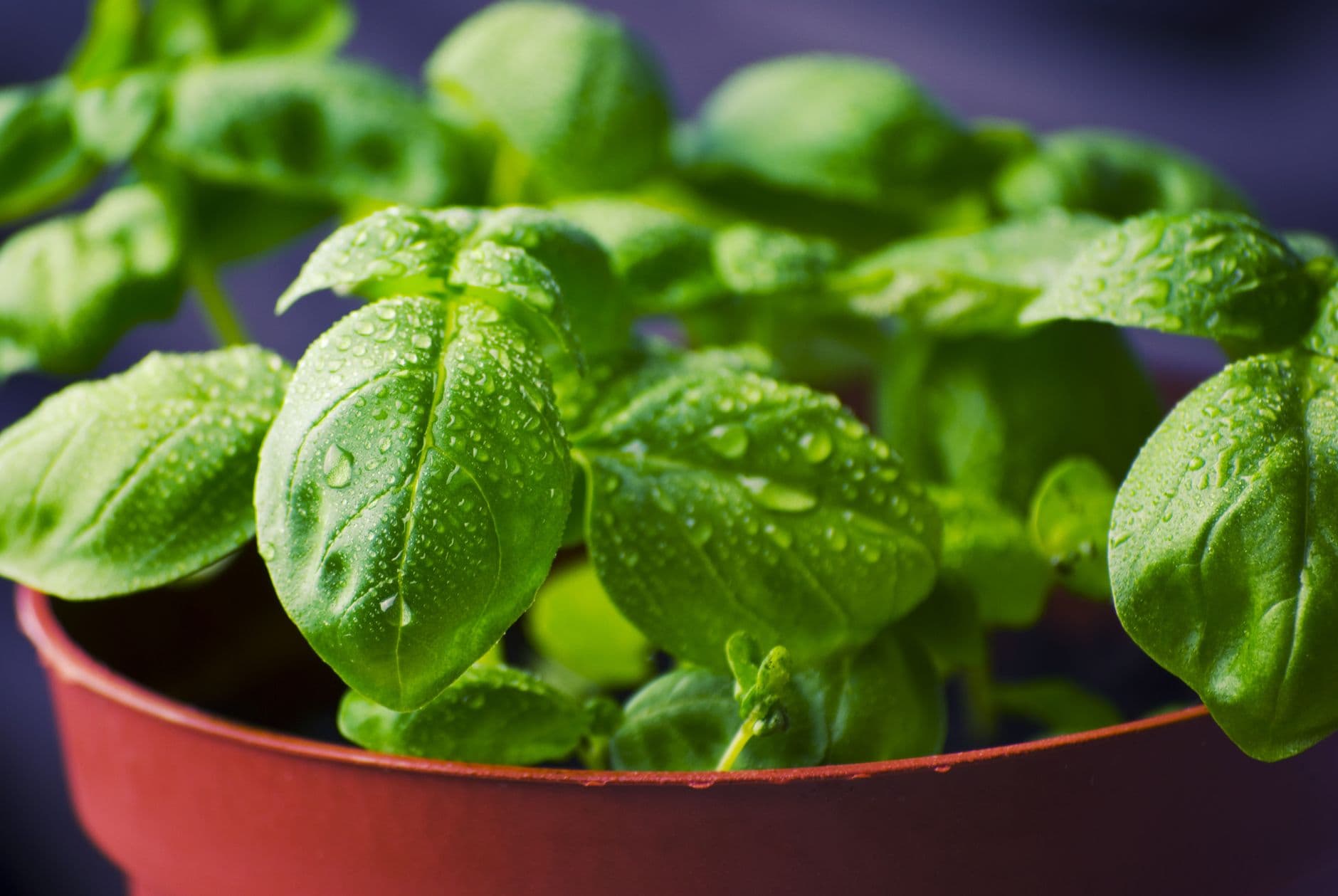
Photo by Pixabay
Basil (Ocimum basilicum) is perhaps the most rewarding herb to keep in a pot on a balcony: it grows quickly, releases its scent the moment you brush against it, and produces leaves all summer long. It is also a plant that forgives few mistakes in watering and temperature, so a little care makes a big difference. The most important rule to keep in mind: basil loves plenty of light, rich soil that is always just slightly moist, and it fears the cold. In the lines that follow you'll find everything else, from how often to water it to the right way to harvest the leaves so the plant keeps producing.
How often to water potted basil
Basil is one of the thirstiest herbs. In a pot, exposed to the sun and wind of the balcony, the soil dries out quickly and the plant shows it right away: the leaves lose their firmness and wilt within a few hours.
In practice: check the soil every day at the height of summer. Stick a finger into the soil: in small pots, under about 3 litres and in full sun, water as soon as the top centimetre is dry; in larger pots you can wait until it is dry 2-3 cm down. On hot, windy days it may need water every day, sometimes twice a day for small pots. In spring and autumn, with cooler temperatures, every 2-3 days is often enough.
A few useful tips:
- Water at the base, on the soil, not on the leaves: wet foliage in the evening encourages fungal diseases.
- Water deeply until it runs out of the drainage holes, then empty the saucer. Standing water rots the roots.
- Early morning or evening is best, when evaporation is lower.
- A larger pot (at least 3 to 5 litres) holds moisture longer than a small one and reduces drought stress.
Soft, drooping leaves don't always mean thirst: if the soil is soggy, the problem is the opposite, namely too much water suffocating the roots. It's worth learning to tell the two cases apart by checking the state of the soil before acting.
Here Greenkeep's watering reminders help a lot: you can set a tighter rhythm for the summer months and, if something goes wrong, the photo diagnosis helps you understand whether you're giving too much or too little water.
How much sun basil wants
Basil is a full-sun plant. To grow bushy and aromatic it needs at least 6 hours of direct light a day, ideally in the morning. A balcony facing south or east is ideal.
With too little light the seedlings stretch, stay sparse, with thin stems and small, pale leaves: the classic spindly reach for light. In that case move them to the brightest spot you have.
Be careful, though, with the scorching sun of high summer combined with wind: during the central hours of the hottest days potted basil can suffer, with leaf margins drying out. It's not a light problem but a combination of water and heat stress. If you live in a very hot area and the balcony gets sun all day, a little shade in the early afternoon and a roomy pot help the plant cope. In cooler climates, on the other hand, more sun is always better.
Want a care plan tailored to your plants?
Join the waitlist: species ID, diagnosis and the Gemma assistant, with the lifetime founder discount.
Which potting soil and which pot to choose
Basil wants a soil rich in organic matter but well drained: it should hold moisture without staying waterlogged.
The soil: a good quality all-purpose potting mix works well, even better if enriched with compost or worm humus. To improve drainage you can mix in a part of an inert material such as perlite or coarse sand. Avoid overly compact soils, which retain water and encourage root rot.
The pot: the non-negotiable feature is drainage holes at the bottom. Without them, sooner or later the roots rot, whatever soil you use. Choose a container at least 20-25 cm in diameter for a single plant: more soil means more water and nutrients available and less abrupt swings. Terracotta pots breathe and dry out sooner (useful if you tend to overwater), while plastic ones hold moisture longer.
If you bought a supermarket pot of basil, split it straight away: inside there are dozens of seedlings crammed into a tiny volume of compost, which they exhaust in a few days. Separate them into clumps of 3-4 and repot them in fresh compost. Left whole, they only last a few weeks.
At the bottom, a thin layer of expanded clay can help in large pots with heavy soils, but it doesn't replace the drainage holes or a good substrate: those remain essential.
Feeding: basil grows fast and uses up nutrients. Every 2-3 weeks, during full growth, you can give a diluted liquid organic fertiliser (for example seaweed-based or a macerate) or top up with worm humus on the surface. Don't overdo it: too much nitrogen gives abundant but less fragrant leaves.
How to harvest basil to make it last
The way you harvest basil determines how long it will keep producing. The secret is pinching: don't tear off individual lower leaves, but cut the tips of the stems.
How to do it:
- Cut the stem just above a pair of leaves, leaving at least two or three pairs on the lower part.
- From that point the plant will send out two new side branches, becoming fuller and bushier.
- Harvest often, even just to encourage branching: a plant that's pinched regularly stays compact and productive.
Remove the flowers. When basil goes to flower (spikes with small white flowers), the plant slows down leaf production and the leaves become tougher and less aromatic. Pinch off the flower spikes as soon as they appear to prolong the harvest.
Morning is the usual recommendation for harvesting, and never take more than a third of the plant at once: it needs leaves to keep photosynthesising and to recover.
Pests and common problems
Potted basil suffers mainly from watering mistakes and a few seasonal pests.
Yellow leaves at the bottom. Often it's too much water or a lack of nutrients after weeks of intense growth. Check the drainage and consider a light organic feed.
Wilting leaves. If the soil is dry, it's thirst: water. If it's wet, you've given too much water and the roots are struggling.
Dark spots and stem rot. These are generally fungal problems encouraged by wet foliage, stagnant air and overcrowded pots. Remedies: water at the base, don't crowd the plants, ensure good air circulation and remove diseased parts immediately.
Basil downy mildew (Peronospora belbahrii). You recognise it from the yellowing between the veins on the upper side and a grey-violet felt on the underside of the leaf. There is no home cure: remove the plant, keep the leaves dry, space the pots well and choose resistant varieties.
Fusarium wilt (Fusarium oxysporum f. sp. basilici). It shows as browning of the stem and sudden wilting. It travels with seed and compost: throw away both the plant and the compost, and don't reuse it.
These two diseases arrive mainly with the seed and through the air, so watering at the base is not enough to prevent them.
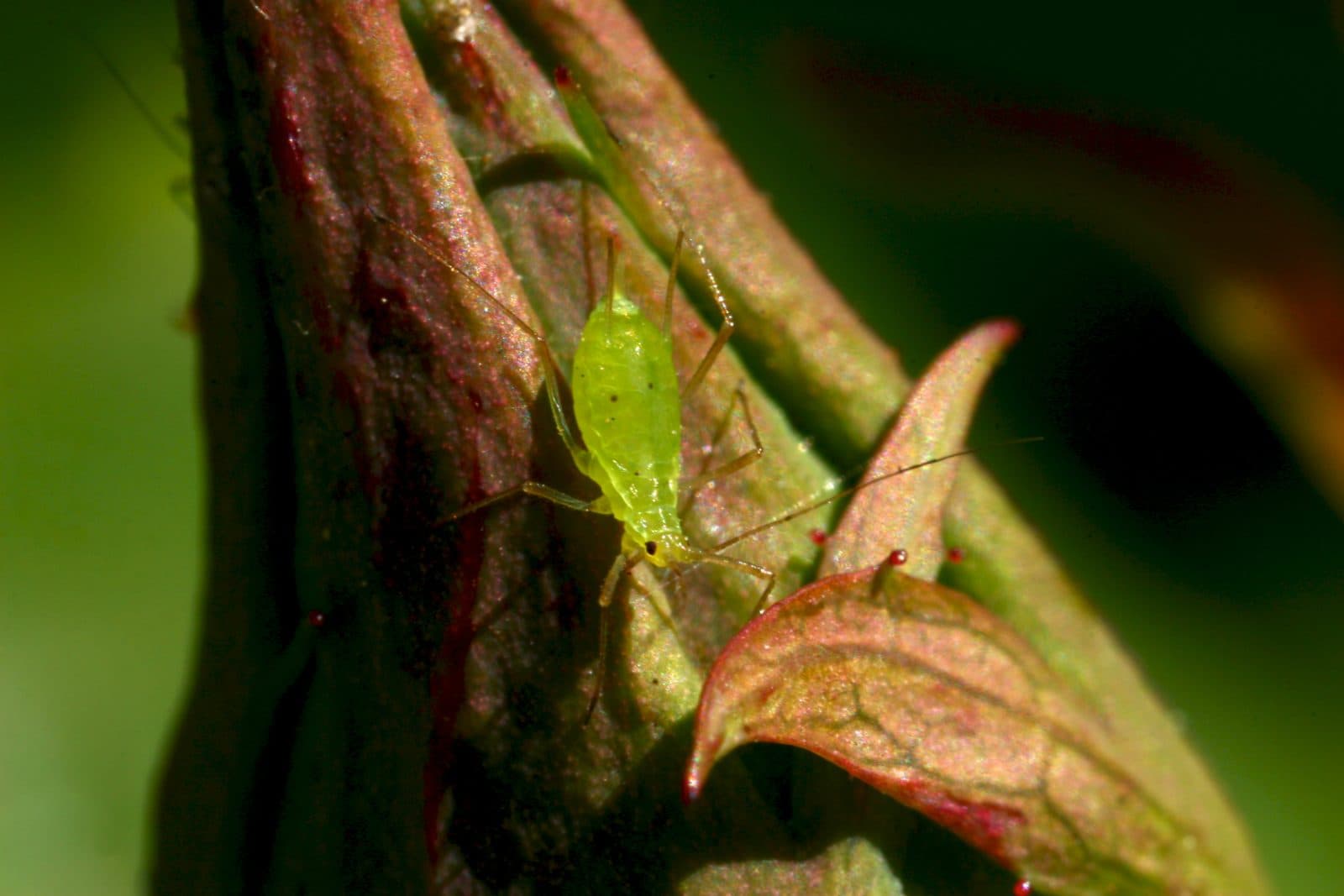
Aphids. Small green or black insects that gather on the tender tips. They can be removed with a jet of water, by hand, or by treating with diluted potassium soft soap (not Marseille soap, which is sodium-based and scorches leaves more easily). For a complete approach you'll find the details in the guide to aphids in the potted vegetable garden.
In any case avoid synthetic pesticides: basil is eaten, and organic methods (removing by hand, potassium soap, good ventilation) are more than enough in a pot. If you do use a product, even a natural one, choose one authorised for edible crops, follow the label doses and wash the leaves well before eating them. If you notice yellowing or rot and don't know what's causing it, Greenkeep's photo diagnosis can give you an initial pointer to the most likely cause.
Basil in winter on the balcony
Basil is an annual and cold-sensitive plant: it suffers already below 10-12 °C, and the first cold nights of autumn turn it black and cause it to collapse. In much of temperate Europe, therefore, it rarely makes it through winter outdoors.
The realistic options:
- Extend the season. At the end of summer, before the first cold spells, move the pot to a sheltered spot or bring it indoors near a very bright window. With less light growth slows down anyway.
- Indoors in winter. You can keep it inside, but it needs the brightest window possible (south-facing) and reduced watering, because with little light it uses less water. It often stays spindly: that's normal.
- Start again in spring. The simplest and most natural approach is to treat it as a seasonal crop: sow or buy new seedlings when night temperatures stay reliably above 12-15 °C, usually from mid-spring onwards.
If you want vegetables and herbs that really stand up to the cold on the balcony, it's better to go for species suited to the cold season rather than forcing basil out of season.
Let AI tell you exactly what to do
Join the waitlist: species ID, diagnosis and the Gemma assistant, with the lifetime founder discount.
Keep reading
Frequently asked questions
At the height of summer often every day, sometimes twice a day for small pots in the sun. Check the soil with a finger: if the top centimetre is dry (2-3 cm in larger pots), water at the base until it runs out of the holes, then empty the saucer.
At least 6 hours of direct light a day, ideally in the morning. With too little light the stems stretch and the leaves stay small and pale. In very hot climates, a little shade in the early afternoon helps avoid heat stress.
The most common causes are excess water with waterlogging, which suffocates the roots, or a lack of nutrients after weeks of growth. Check the drainage and the state of the soil before acting, and feed with organic products if the plant is hungry. Before feeding, though, look under the leaf: if there is a grey-violet bloom it is downy mildew, and the plant has to be removed, not fed.
Cut the tips of the stems just above a pair of leaves, without stripping the base. The plant will send out two new branches and become fuller. Also remove the flower spikes to prolong the production of tender, fragrant leaves.
Rarely: it's an annual and suffers already below 10-12 °C. You can bring it indoors near a very bright window to extend its life a little, but the simplest choice is to replant it in spring when the nights stay above 12-15 °C.
Sources
- ASPCA – Toxic and Non-Toxic Plants
- Missouri Botanical Garden – Plant Finder
- NC State Extension – Plant Toolbox
- Plants of the World Online (POWO, Kew)
- Royal Horticultural Society (RHS)
- UC IPM (UC ANR)
- UF/IFAS Gardening Solutions
- University of Maryland Extension – Grow It Eat It
- University of Minnesota Extension – Yard & Garden
Related guides
 Choosing & buying
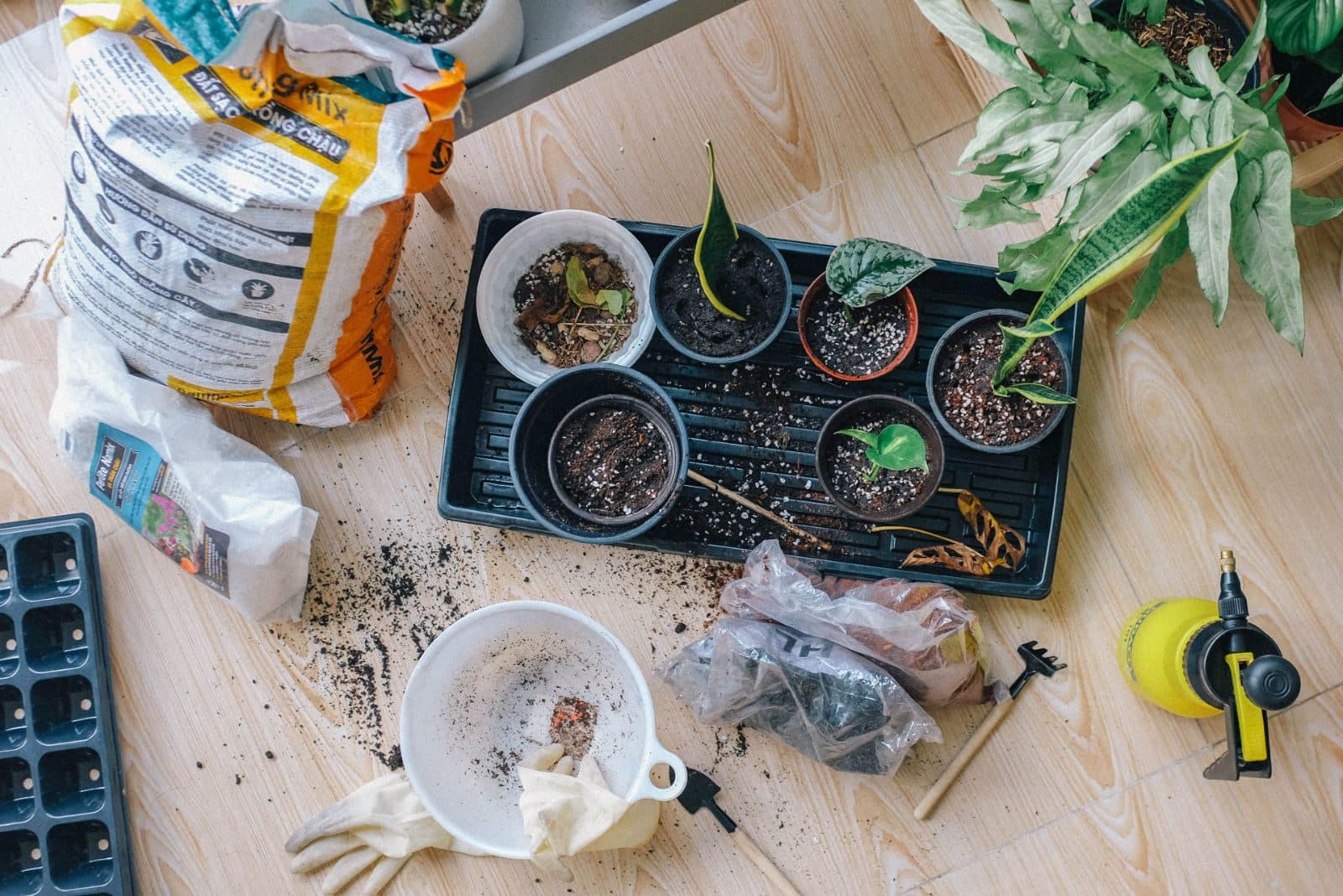
Choosing the Right Pot and Soil for a Balcony Garden
How to choose the right containers and substrate for growing vegetables and herbs in pots: size, depth, drainage, materials and potting soil.
Read the guide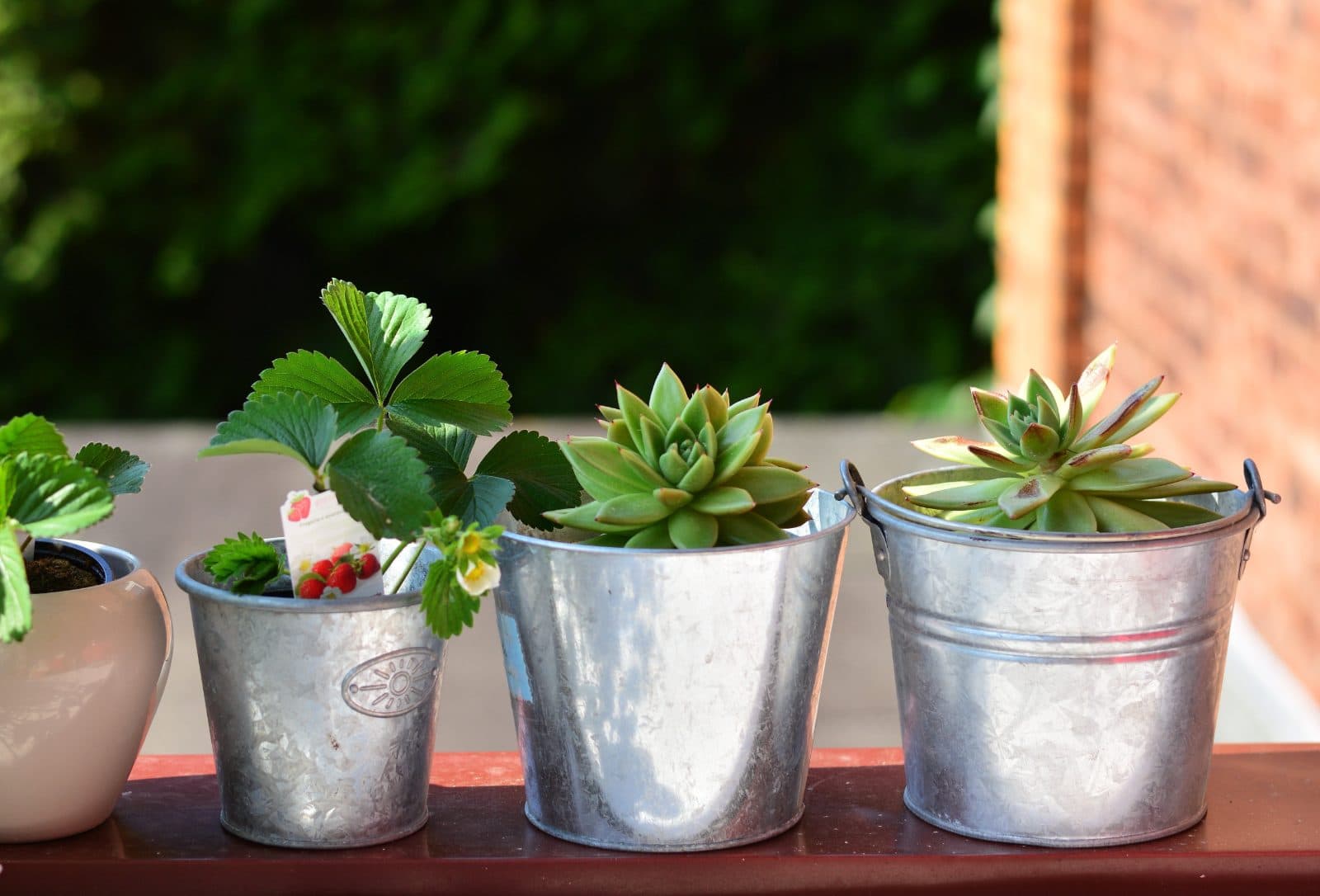 For beginners
Balcony Garden for Beginners: Where to Start
A practical guide to starting a container garden on your balcony: what to grow with no fuss, how much sun you need, and the mistakes to avoid in your first year.
Read the guide Care
CareGrowing Tomatoes in Pots on the Balcony
How to grow tomatoes in pots on the balcony: the right pot, sun, watering, fertiliser and sowing time explained step by step.
Read the guide