
Winter Balcony Garden: What to Grow in the Cold
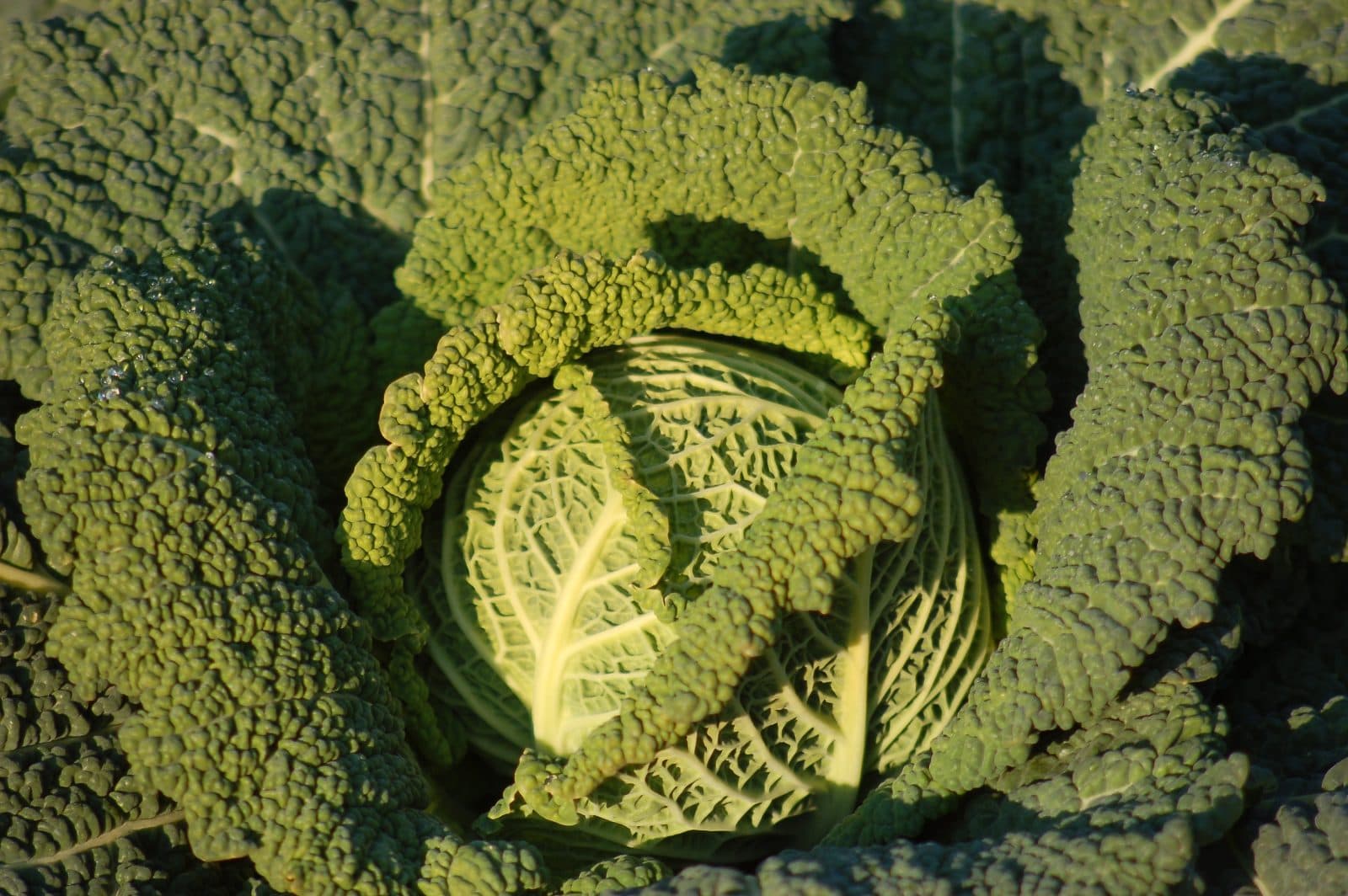
Photo by BARBARA808
The cold doesn't shut the balcony down. Several leafy vegetables and a few hardy herbs grow perfectly well in pots even during the harsh months, provided you choose the right species and protect them on the coldest nights. The underlying rule is simple: go for vegetables that love cool weather (spinach, lamb's lettuce, radishes, small cabbages, garlic, spring onions) and water far less than in summer, because in the cold the soil dries slowly and the real risk becomes rot, not thirst. In this guide you'll find what to sow, how to place the pots in a sheltered spot and how to defend them from frost without chemical products.
What to grow in pots in the cold: the vegetables that hold up
In winter, short-cycle vegetables or those that tolerate the cold do well. In pots, on the balcony, the most reliable choices are:
- Spinach: among the most generous winter crops in a container. It germinates even at low temperatures and withstands light frost. Pick the outer leaves a little at a time.
- Lamb's lettuce (corn salad): small, compact, ideal in a planter. It stands up to cold very well and is ready in a few weeks.
- Cut-and-come-again lettuces and rocket: the winter varieties tolerate cool weather; they slow down a lot but keep producing leaves.
- Miniature cabbages and curly kale: they grow more slowly but tolerate cold well; kale in a roomy pot gives leaves all winter long.
- Radishes: very quick in autumn and late winter, very slow in the cold months (near 4-7 °C germination alone can take up to about 20 days). Sow them at the start and at the end of the cold season.
- Chard and chicory/catalogna: robust, they regrow after cutting.
- Garlic and spring onions: planted in autumn, they occupy the pot without asking for attention.
- Broad beans and peas (in mild climates): sow them in October or November, precisely so they go into winter small; sown too early they get large and are damaged by frost. Choose hardy varieties and cover them with fleece during cold snaps.
If you live in areas with truly harsh winters, stick to the hardiest (spinach, lamb's lettuce, kale, garlic) and consider a cover on sub-zero nights. In mild or coastal areas the margin is much wider.
What to sow in October and the following months
The calendar depends a great deal on the local climate, but this outline gives you a practical reference for the balcony.
October
This is the key month for setting up the winter garden. You can sow spinach, lamb's lettuce, radishes, winter lettuces and rocket, and chicory. Plant garlic cloves and spring onions. In mild areas broad beans and peas are also sown.
November
The pace slows down. In mild regions you can still sow lamb's lettuce and spinach in a sheltered spot; elsewhere it's better to limit yourself to protecting what has already grown and to harvesting.
December and January
Months of maintenance rather than sowing. Harvest the leaves of spinach, kale and corn salad, check that the pots don't stay waterlogged and prepare the containers for the fresh start.
Late winter (February)
You can begin sowing again under cover, starting with the first salads and radishes, making the most of the longer days.
A practical tip: sow a little in succession, that is, a few plants every two or three weeks as long as the climate allows. This way you avoid having everything ready at once and then empty pots for weeks.
Want a care plan tailored to your plants?
Join the waitlist: species ID, diagnosis and the Gemma assistant, with the lifetime founder discount.
Spinach in pots in winter: how to grow it well
Spinach is the winter balcony vegetable par excellence: it starts with little warmth, withstands the cold and gives repeated harvests.
- Pot: at least 20 cm deep, with drainage holes. A balcony box works perfectly for one row.
- Soil: a good vegetable potting mix, soft and free-draining, ideally enriched with mature compost.
- Sowing: bury the seeds about 1-2 cm deep, then thin the seedlings, leaving a few centimetres between one and the next.
- Position: as many hours of light as possible. In winter there's little light, so place them in the brightest spot on the balcony.
- Water: keep the soil just moist, never soggy. In the cold, evaporation plummets, so water only when the surface is dry.
- Harvest: take the largest outer leaves, leaving the heart, so the plant keeps producing.
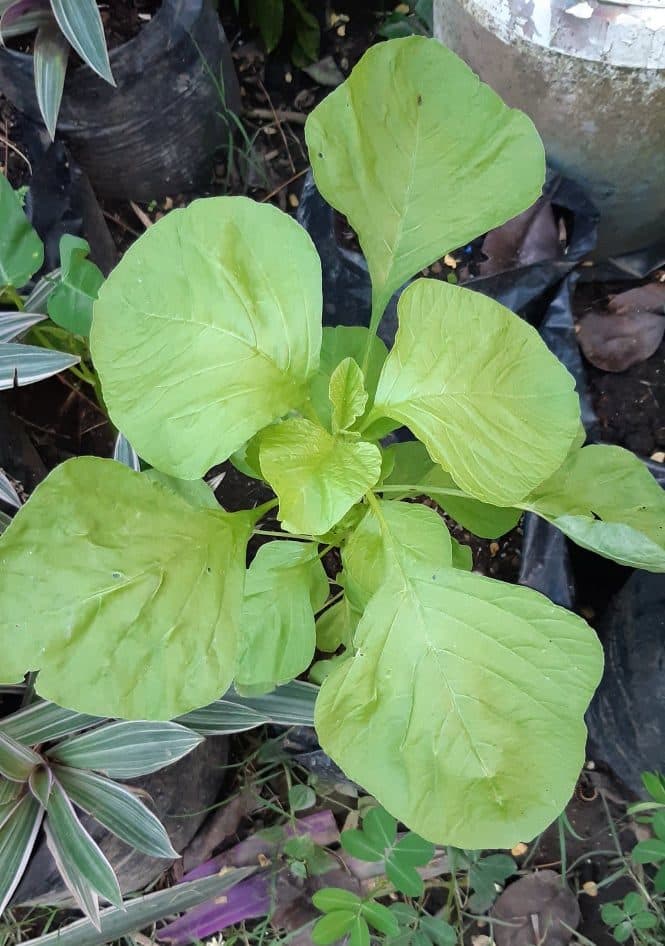
Spinach takes far more than a light frost: hardy varieties survive well below zero. In a pot the weak point is not the leaves but the root ball, which freezes first, so insulate the container above all; in case of intense cold a fleece cover helps without any problem. Watch out for excess water: in winter, root rot is far more common than water shortage.
Protecting the potted garden from frost
A pot is more exposed than open ground: the root ball cools from every side and the roots suffer before the leaves do. Here's how to defend them, without pointless expense.
Position
Move the pots close to the house wall, under an awning or into a corner sheltered from the wind. A wall releases heat at night and shields from cold draughts, which are often more damaging than static cold.
Insulating the roots
Wrap the pots in fleece, jute or bubble wrap, or group them together: standing close, they protect each other. Raise the containers off the ground with feet or wooden slats, so you avoid direct contact with the freezing floor and encourage drainage.
Covering the plants
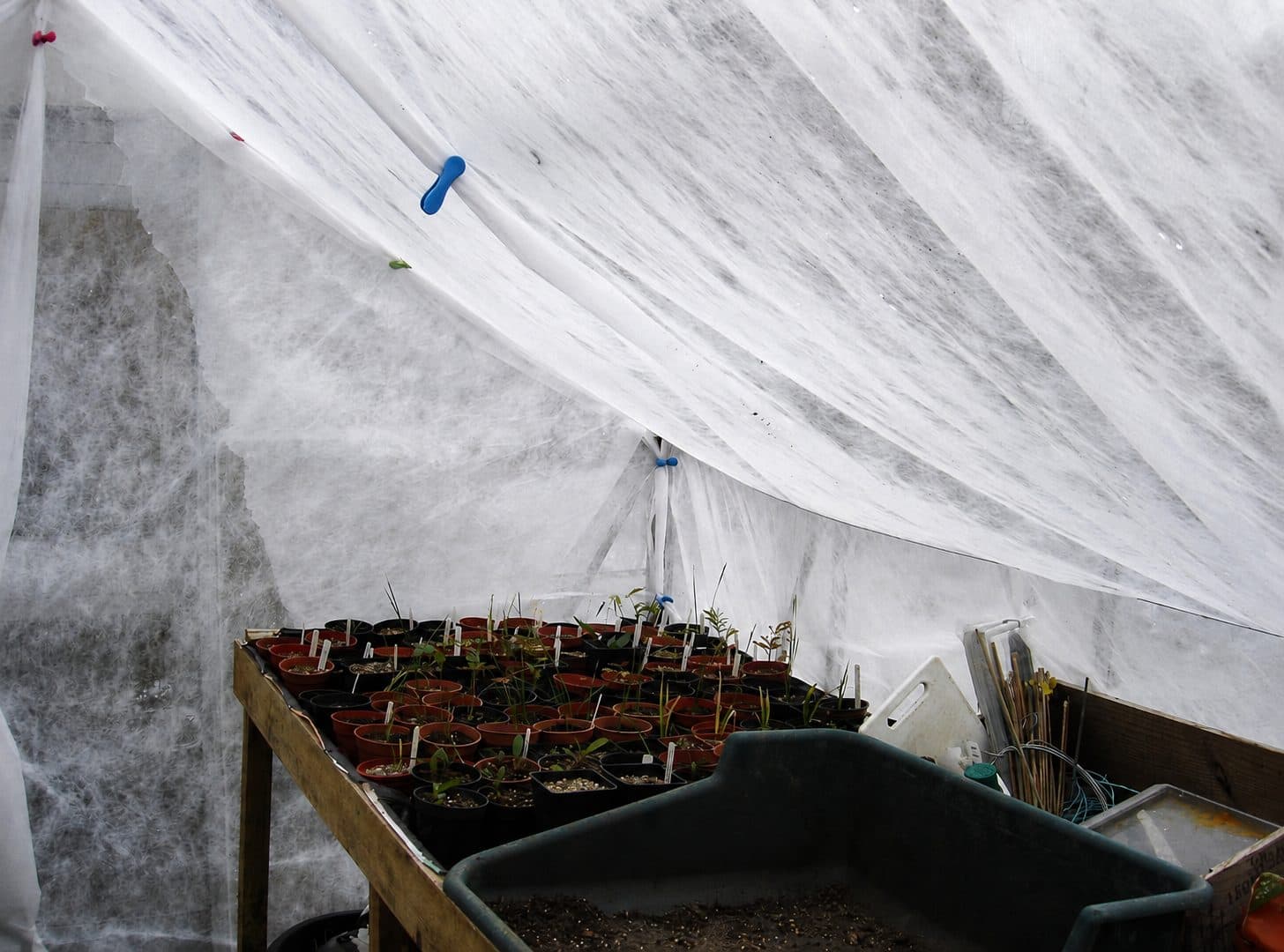
On sub-zero nights, a sheet of fleece (the classic "garden veil") laid over the plants holds in a few degrees. Remove it or air it out during the warmer hours to avoid condensation and mould.
Watch the water
Soggy soil that freezes damages the roots far more than barely moist soil. Water sparingly and only in the morning, never in the evening before a frost. Don't let water pool in the saucers and then freeze.
Greenkeep takes the cold season into account: it reduces the frequency of watering reminders and can warn you when a drop in temperature is forecast, reminding you to cover or move the more delicate pots.
Winter care: water, light and fertiliser
In winter the way you tend the potted garden changes, not just what you grow.
Water: this is the most common mistake. At low temperatures plants drink very little and the soil stays moist for a long time. Always check with your finger before watering and only water when the top few centimetres are dry. If you see soft, yellowing leaves at the base, it's often too much water, not too little.
Light: this is the real limiting factor. Below about 10 hours of daylight growth almost stops, even in mild weather: at Italian and central European latitudes that runs from roughly early November to early February. Autumn sowings exist precisely so you reach November with the plants already formed: in winter you harvest what you grew in autumn, you don't sow to grow. Give spinach, salads and cabbages the brightest spot on the balcony anyway.
Fertiliser: in the depths of winter growth is almost at a standstill, so nutritional needs are minimal. A little mature compost or worm castings mixed into the soil at the start of the season is enough for leaves grown for harvest. Resume any feeding (plant-based teas, diluted liquid organic fertilisers) only in late winter, when growth picks up again.
Pests: few in this season, but with covers and poor ventilation, moulds and rots can appear. Air out during the mild hours and immediately remove yellowed or rotten leaves. Slugs stay active on damp days: check under the pots and remove them by hand.
Mistakes to avoid on the winter balcony
A few precautions make the difference between a productive balcony and pots that rot.
- Watering like in summer: number one. Less water, always, and never in the evening before a frost.
- Pots without drainage holes or saucers full of water: in the cold the water stagnates and freezes. Make sure the pot really drains.
- Warm-climate vegetables out of season: tomatoes, courgettes and basil make no sense in winter. Put them off until spring (for tomatoes you'll find a dedicated guide).
- Wrong position: a pot in the middle of the balcony, exposed to the wind, suffers more than one set against the wall.
- Covers left closed all the time: fleece protects, but without a minimum of ventilation it encourages mould. Open it during the mild hours.
- A pot that's too small: little soil freezes faster and holds less water on mild days. Somewhat roomy containers offer more thermal stability.
If you're not a complete beginner with pots but want to brush up on the basics, the guide to the balcony garden for beginners gives you the general framework on which to build the cold season.
Let AI tell you exactly what to do
Join the waitlist: species ID, diagnosis and the Gemma assistant, with the lifetime founder discount.
Keep reading
Frequently asked questions
The most reliable are spinach, lamb's lettuce (corn salad), curly kale, garlic and spring onions. They tolerate light frost and keep growing, albeit slowly. Cut-and-come-again lettuces and winter rocket withstand cool weather but need protection on sub-zero nights.
October is ideal for sowing spinach, lamb's lettuce, radishes, winter lettuces and rocket, and chicory, as well as for planting garlic and spring onions. In mild-climate areas you can also sow broad beans and peas.
Far less than in summer. In the cold the soil dries slowly, so check with your finger and water only when the top few centimetres are dry, in the morning. Soggy soil that freezes is more damaging than thirst.
Move them against the wall or under an awning, group them together, raise the containers off the ground and wrap them in fleece or jute. On sub-zero nights cover the plants with a garden veil, airing them during the warmer hours.
Yes, and it takes far more than a light frost. In a pot the weak point is not the leaves but the root ball, which freezes first: insulate the pot and cover the plants with fleece when the cold is intense. Avoid waterlogging, which remains the biggest risk.
Sources
- ASPCA – Toxic and Non-Toxic Plants
- Missouri Botanical Garden – Plant Finder
- NC State Extension – Plant Toolbox
- Plants of the World Online (POWO, Kew)
- Royal Horticultural Society (RHS)
- UC IPM (UC ANR)
- UF/IFAS Gardening Solutions
- University of Maryland Extension – Grow It Eat It
- University of Minnesota Extension – Yard & Garden
Related guides
 Choosing & buying
Choosing the Right Pot and Soil for a Balcony Garden
How to choose the right containers and substrate for growing vegetables and herbs in pots: size, depth, drainage, materials and potting soil.
Read the guide For beginners
Balcony Garden for Beginners: Where to Start
A practical guide to starting a container garden on your balcony: what to grow with no fuss, how much sun you need, and the mistakes to avoid in your first year.
Read the guide Care
CareGrowing Tomatoes in Pots on the Balcony
How to grow tomatoes in pots on the balcony: the right pot, sun, watering, fertiliser and sowing time explained step by step.
Read the guide