
Balcony Garden for Beginners: Where to Start
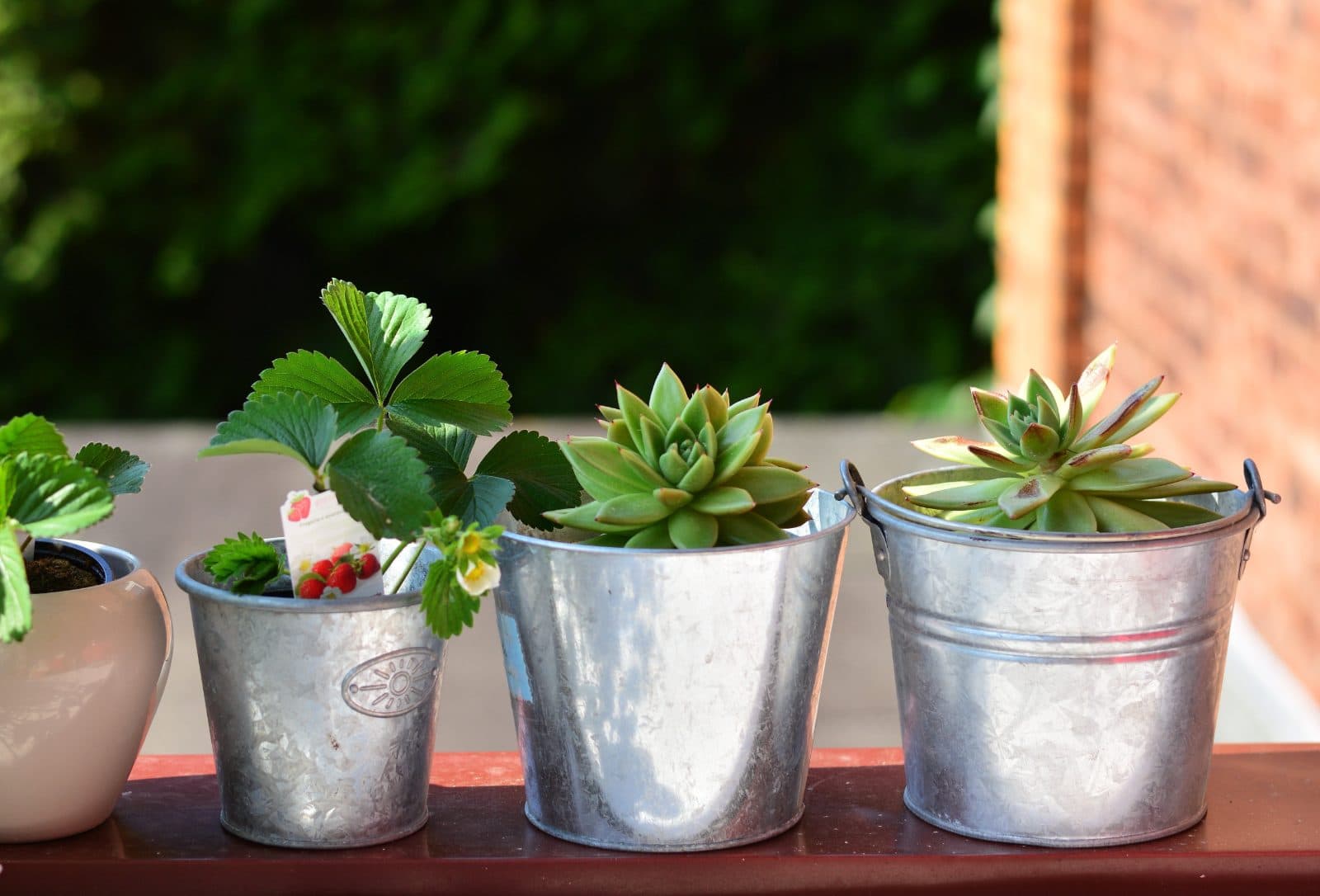
Photo by congerdesign
If you have a balcony and a handful of sunny hours, you can already harvest something of your own. To get going you don't need expensive tools or a green thumb: all it takes is pots with drainage holes, good potting soil, regular watering and a few easy plants to choose from. In this guide you'll find the essential path for your first year, with particular attention to two things that truly make the difference: how much sun hits your balcony and how to avoid watering at random. The rest you learn one harvest at a time.
Before you buy anything: look at your balcony
The most useful question isn't "what would I like to grow" but "what can grow here". The answer depends almost entirely on light.
Count the hours of direct sun
Spend a sunny day observing (or photograph the balcony every couple of hours) and count how many hours of direct sun a given spot receives:
- 6 hours or more: full sun. Here tomatoes, peppers, aubergines, basil and many potted fruiting plants do well.
- 4 to 6 hours: partial sun. Great for lettuces, spinach, cut-and-come-again chard, herbs like parsley and mint, and strawberries.
- less than 4 hours or indirect light: these are the toughest conditions for fruiting vegetables. Aim for leafy greens, chives, mint and parsley, knowing they'll grow more slowly.
Consider exposure and wind
A south-facing aspect gives more hours and more heat (watch out in high summer, the soil in pots dries out fast). East and west offer half a day of sun. North is the coolest and shadiest. A very windy balcony dries out leaves and pots more quickly and can snap tall plants: in that case you'll need heavy pots, stakes and perhaps a small windbreak.
Noting the real exposure saves you from the number one beginner mistake: buying tomatoes for a north-facing balcony.
What to grow as a beginner (the easy choices)
In your first year it's worth going for generous, hardy plants. Here are the ones that are most forgiving.
Herbs, the ideal starting point
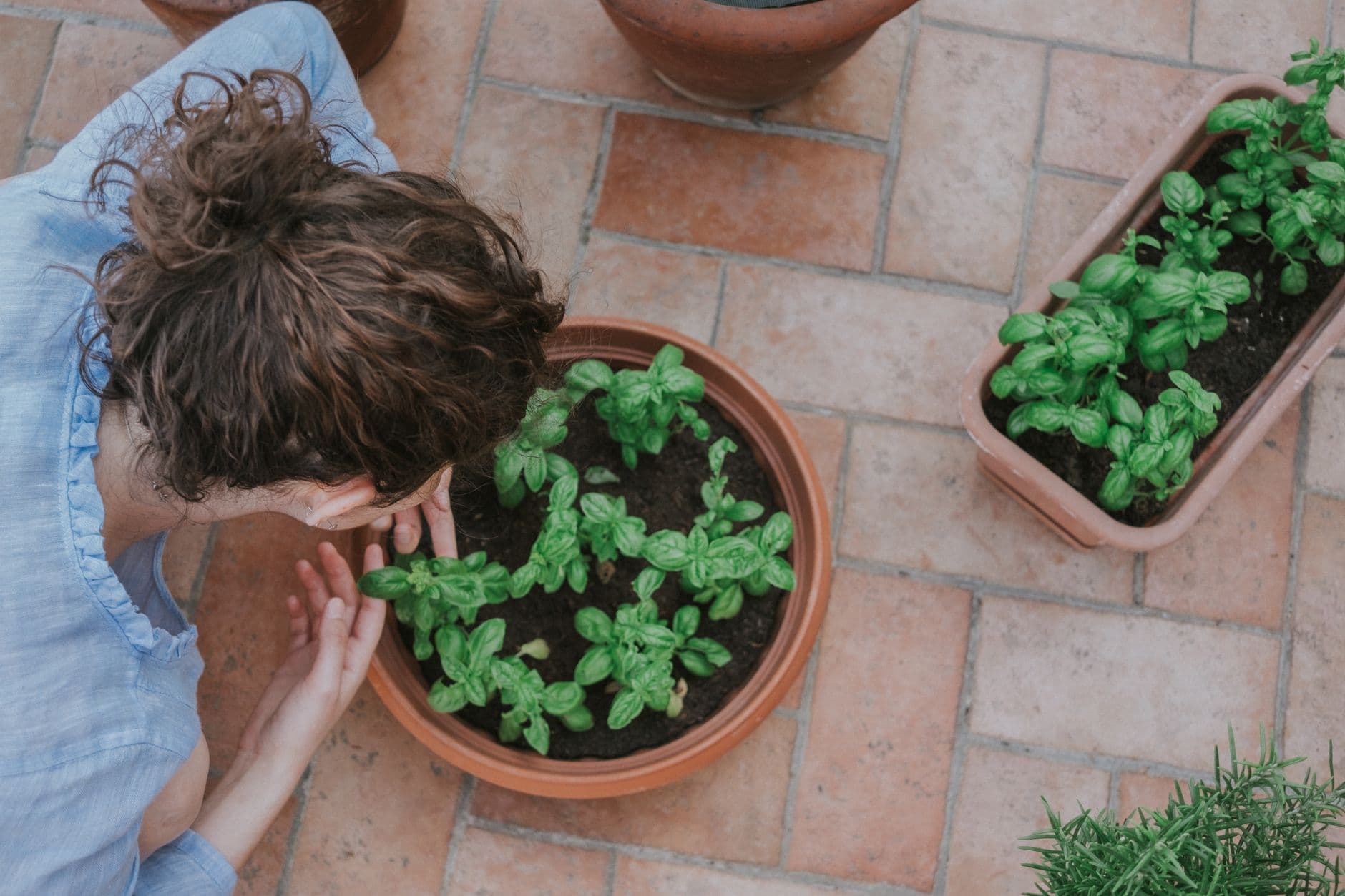
- Basil: loves sun and warmth, grows fast, and teaches you to read a plant's thirst. Harvest the leaves from the top to make it branch out.
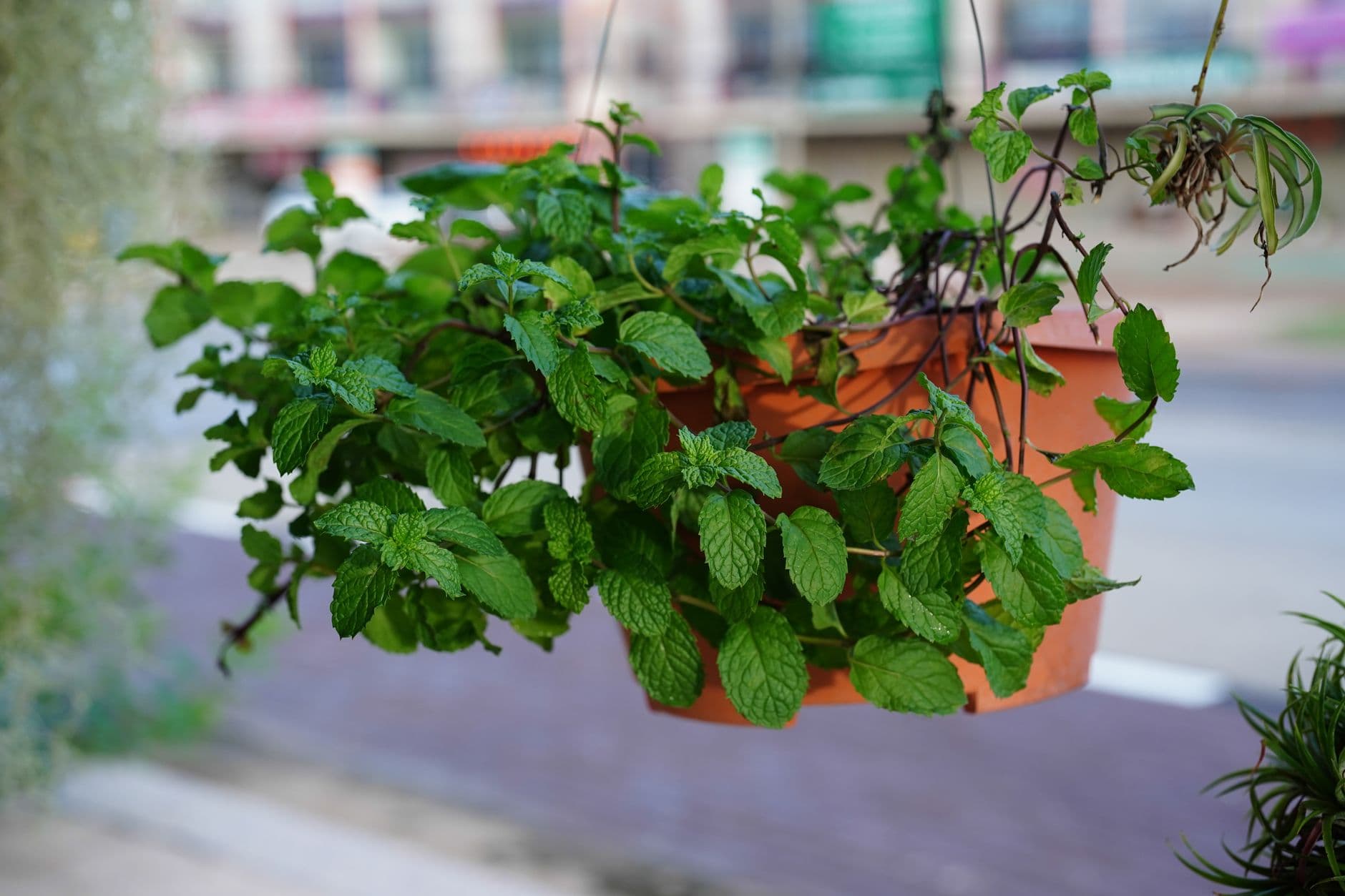
- Mint: almost indestructible, it even grows in partial shade. Always keep it in a pot of its own because it's invasive.
- Parsley, chives, thyme, rosemary: sturdy and useful all year round. Rosemary and thyme want well-drained soil and dislike waterlogging.
Fast leafy greens
- Cut-and-come-again lettuces, rocket, baby spinach: you harvest them several times by cutting the outer leaves; shallow troughs and half a day of light are enough.
- Cut-and-come-again chard: very resilient and productive for a long time.
Fruiting vegetables if you have full sun
- Cherry tomatoes (cluster or cherry varieties): the greatest satisfaction, but they need a roomy pot, a stake, full sun and steady watering. If you want to start on the right foot, there's a dedicated guide to tomatoes in pots.
- Chillies and peppers: they love the warmth, are compact and suited to pots.
- Strawberries: perfect in a planter or hanging pot, they need less sun than tomatoes.
Start with three or four species, not fifteen. You'll learn each one's rhythms without feeling overwhelmed.
Want a care plan tailored to your plants?
Join the waitlist: species ID, diagnosis and the Gemma assistant, with the lifetime founder discount.
Pots, potting soil and drainage
The right container matters as much as the plant.
The rule of holes
Whatever pot you choose, it must have drainage holes in the bottom. Without them, water stagnates and the roots rot: it's the most common cause of dead potted plants. If you use a saucer, empty it after watering.
Size matters
Cramped roots mean hungry, thirsty plants. As a rough guide:
- Small herbs and lettuces: 15 to 20 cm deep.
- Tomatoes, peppers, aubergines: at least 25 to 40 litres per plant, better to go big.
- Strawberries: 20 cm planters or hanging pots.
Terracotta pots breathe and dry out sooner (good if you tend to overdo the water); plastic ones hold more moisture (handy in scorching sun).
The potting soil
Use good quality vegetable or general-purpose potting soil, soft and rich. Garden soil on its own compacts in a pot and drains poorly. At the bottom of large pots or with heavy mixes, a layer of expanded clay or crocks can reduce the water held at the base; in small pots with good soil and adequate holes it adds little. What really counts remains the holes and a substrate that drains well.
To feed the plants during the season, favour organic solutions: mature compost mixed into the soil, worm castings, or diluted liquid organic fertilisers. Fruiting vegetables in pots consume a lot and should be boosted every two or three weeks when in full growth.
Watering without going wrong
In pots, water is everything, and the most common mistake is watering on a fixed schedule instead of checking the soil.
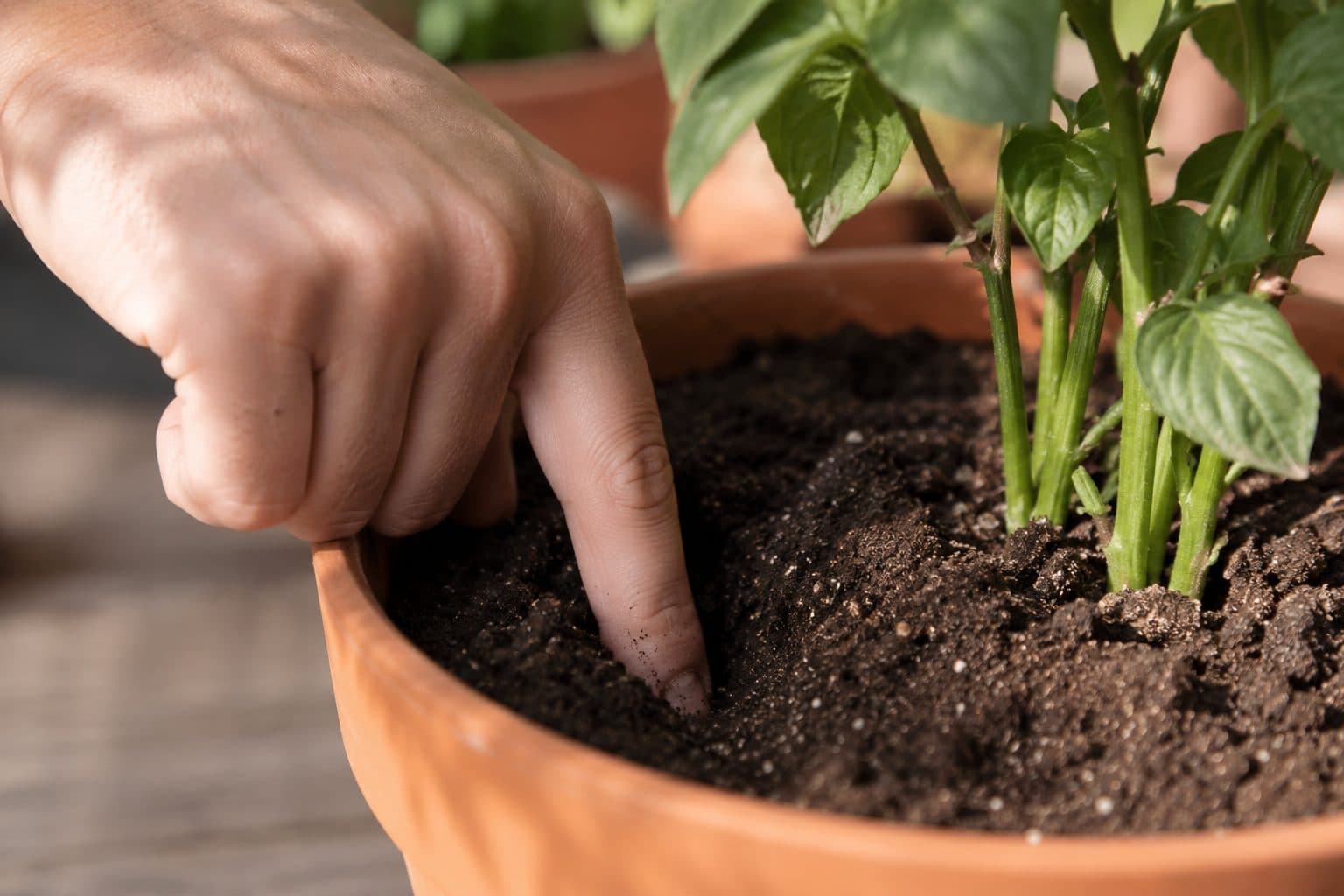
The finger test
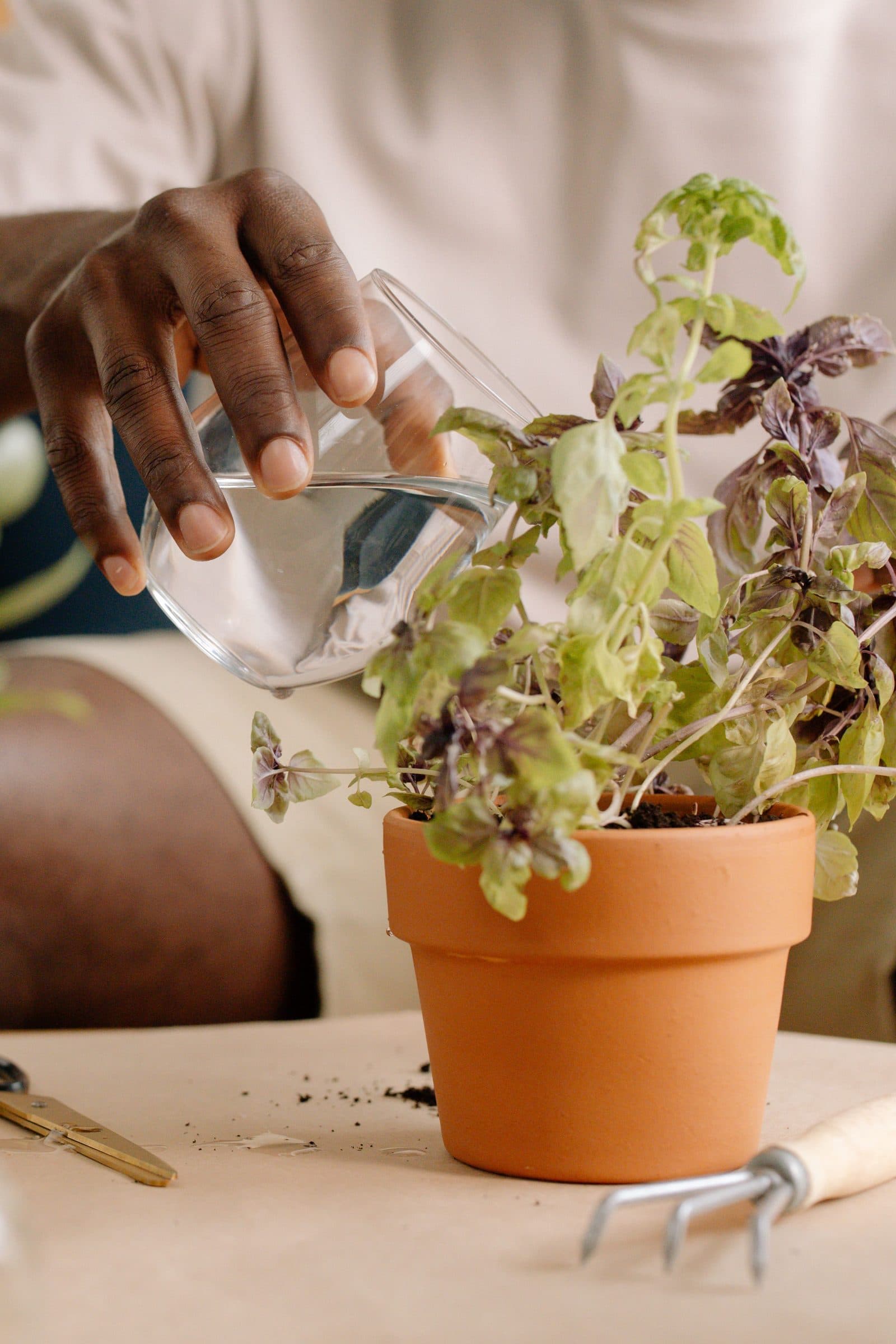
Stick a finger into the soil a couple of centimetres deep. If it's dry, water; if it's still damp, wait. In summer a pot in the sun may need water every day, while in spring perhaps every two or three days.
How to water well
- Water deeply until it runs out of the holes, so the whole root ball is moistened.
- Early morning or evening is best, not during the hottest hours.
- Avoid always wetting the leaves: water on the foliage in the sun and stagnant humidity encourage disease.
If your tap water is very hard, letting it stand only allows the chlorine to evaporate (not the chloramine used by many water suppliers), not to reduce the hardness. For more sensitive plants you can use collected rainwater.
A constantly soggy substrate leads to limp leaves, yellowing and rotting roots; too little water gives droopy leaves that perk up after watering. Learning to tell the two apart is half the job.
The most common mistakes (and how to avoid them)
Almost all first-year failures fall into a few patterns.
- Underestimating light: buying sun-loving vegetables for a shady balcony. Measure the hours first, then choose.
- Pots that are too small: they cramp the roots and dry everything out fast. Go bigger than you think.
- Watering at random: both too much and too little. Look at the soil, not the calendar.
- No drainage: pots without holes or saucers that are always full. It's the fastest way to lose a plant.
- Planting too many things together: crowded plants compete for light, water and air, and disease spreads more easily. Give them space.
- Wanting to do everything at once: better a few plants well cared for than a cluttered, neglected balcony.
Pests and diseases, the natural way
On the balcony you'll come across aphids, scale insects, fungus gnats and powdery mildew (a white film on the leaves, favoured by crowded plants and stagnant air). First of all, remove by hand what you can see, give the plants some airflow and correct your watering. If a treatment is needed: potassium soft soap (insecticidal soap) works well against aphids, while against scale insects an oil (horticultural or neem) is more effective, as it also smothers the settled adult stages; against fungus gnat larvae in the soil it helps to let the surface dry out between waterings. On plants you'll later eat, use only products authorised for edible crops and follow the label, including the waiting period before harvest; spray in the evening avoiding open flowers, so you protect pollinators, and test on a few leaves first, because soap and oil in the sun can scorch foliage. And always wash your harvest before eating it.
How Greenkeep supports you, season after season
A container garden is made of small repeated attentions: knowing when to water that particular species, when to feed, when to harvest. With Greenkeep you can add the plants you grow on your balcony and receive a personalised care plan based on exposure and time of year, with reminders that help you not to forget watering on hot days.
The app also works as a starting point: from the dedicated garden hub you can move on to guides on individual vegetables or herbs, so you dig deeper as you add new plants. If you're also new to houseplants, many care principles are shared and it's useful to train your eye everywhere.
Let AI tell you exactly what to do
Join the waitlist: species ID, diagnosis and the Gemma assistant, with the lifetime founder discount.
Frequently asked questions
Herbs like basil, mint and parsley are the most forgiving and grow fast, giving you satisfaction right away. Among vegetables, cut-and-come-again lettuces and chard are easy because you harvest them several times and they need less sun than fruiting vegetables.
It depends on what you grow. Fruiting vegetables like tomatoes, peppers and aubergines want at least 6 hours of direct sun. Lettuces, spinach and many herbs are content with 4-6 hours. With less than 4 hours, aim for leafy greens, mint and parsley, accepting slower growth.
A south-facing aspect offers more hours and more heat, ideal for fruiting vegetables but with a greater risk of summer scorching. East and west give half a day of sun, good for herbs and lettuces. North is the coolest and shadiest, suited only to the hardiest leafy greens.
Not on a fixed schedule, but by checking the soil with a finger: if the top couple of centimetres are dry, water deeply until it runs out of the holes. In summer a pot in the sun may need water every day, in spring even every two or three days.
The essential thing is drainage holes and soil that drains well. A layer of expanded clay or crocks can help in large pots or with heavy mixes, while in small pots with good soil it adds little. It never replaces the holes in the bottom.
Sources
- ASPCA – Toxic and Non-Toxic Plants
- Missouri Botanical Garden – Plant Finder
- NC State Extension – Plant Toolbox
- Plants of the World Online (POWO, Kew)
- Royal Horticultural Society (RHS)
- UC IPM (UC ANR)
- UF/IFAS Gardening Solutions
- University of Maryland Extension – Grow It Eat It
- University of Minnesota Extension – Yard & Garden
Related guides
 Choosing & buying
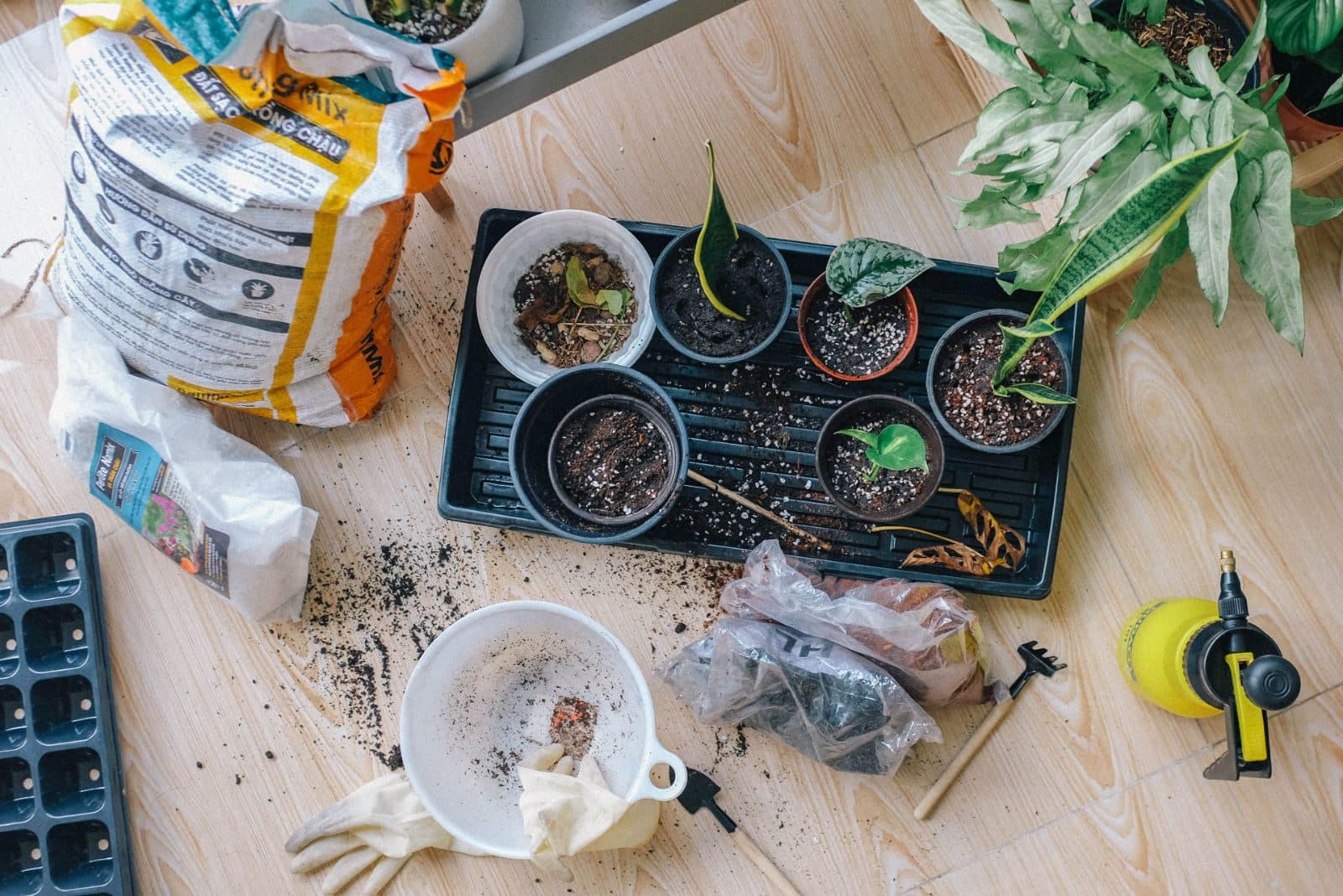
Choosing the Right Pot and Soil for a Balcony Garden
How to choose the right containers and substrate for growing vegetables and herbs in pots: size, depth, drainage, materials and potting soil.
Read the guide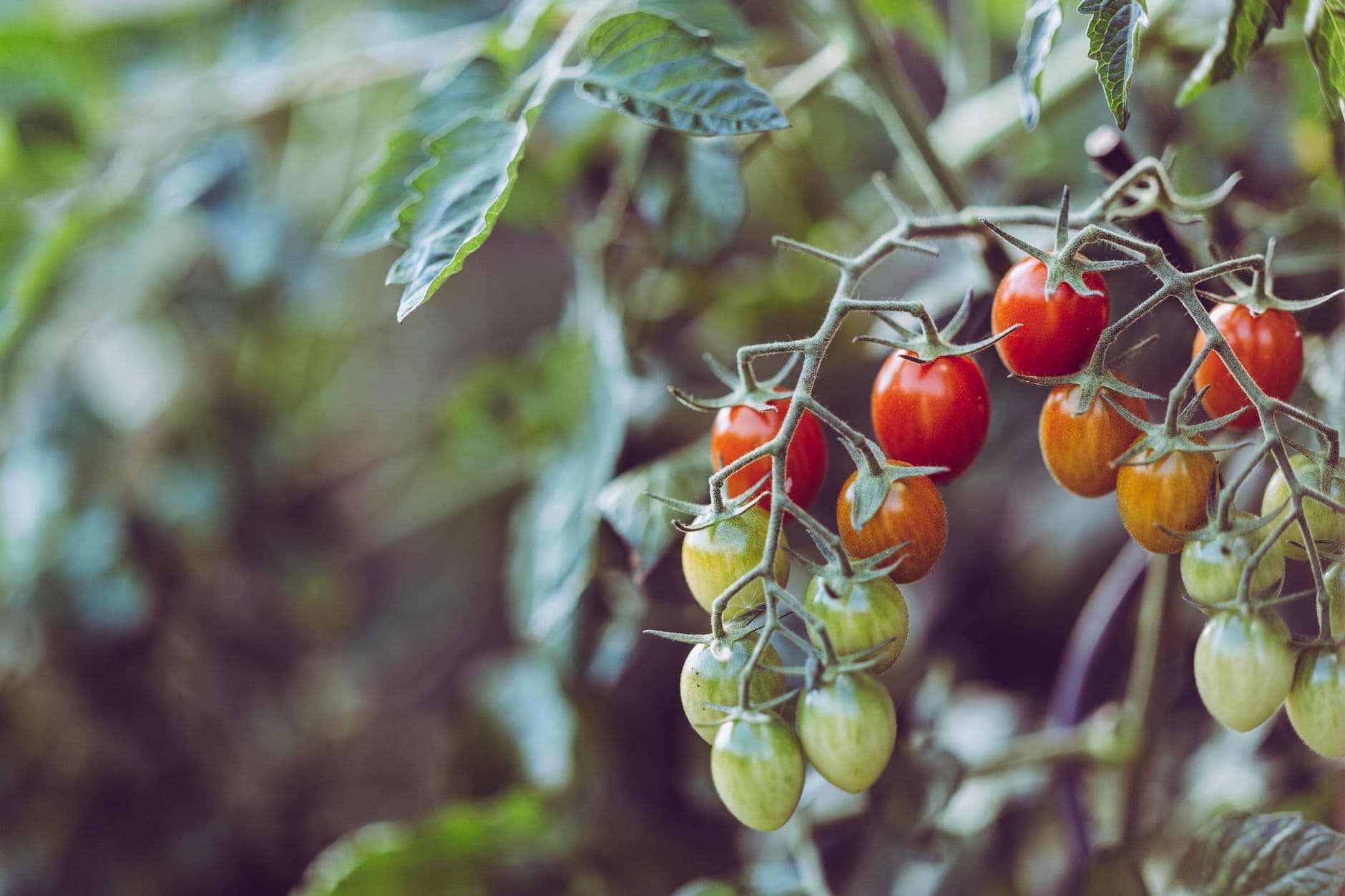 Care
CareGrowing Tomatoes in Pots on the Balcony
How to grow tomatoes in pots on the balcony: the right pot, sun, watering, fertiliser and sowing time explained step by step.
Read the guide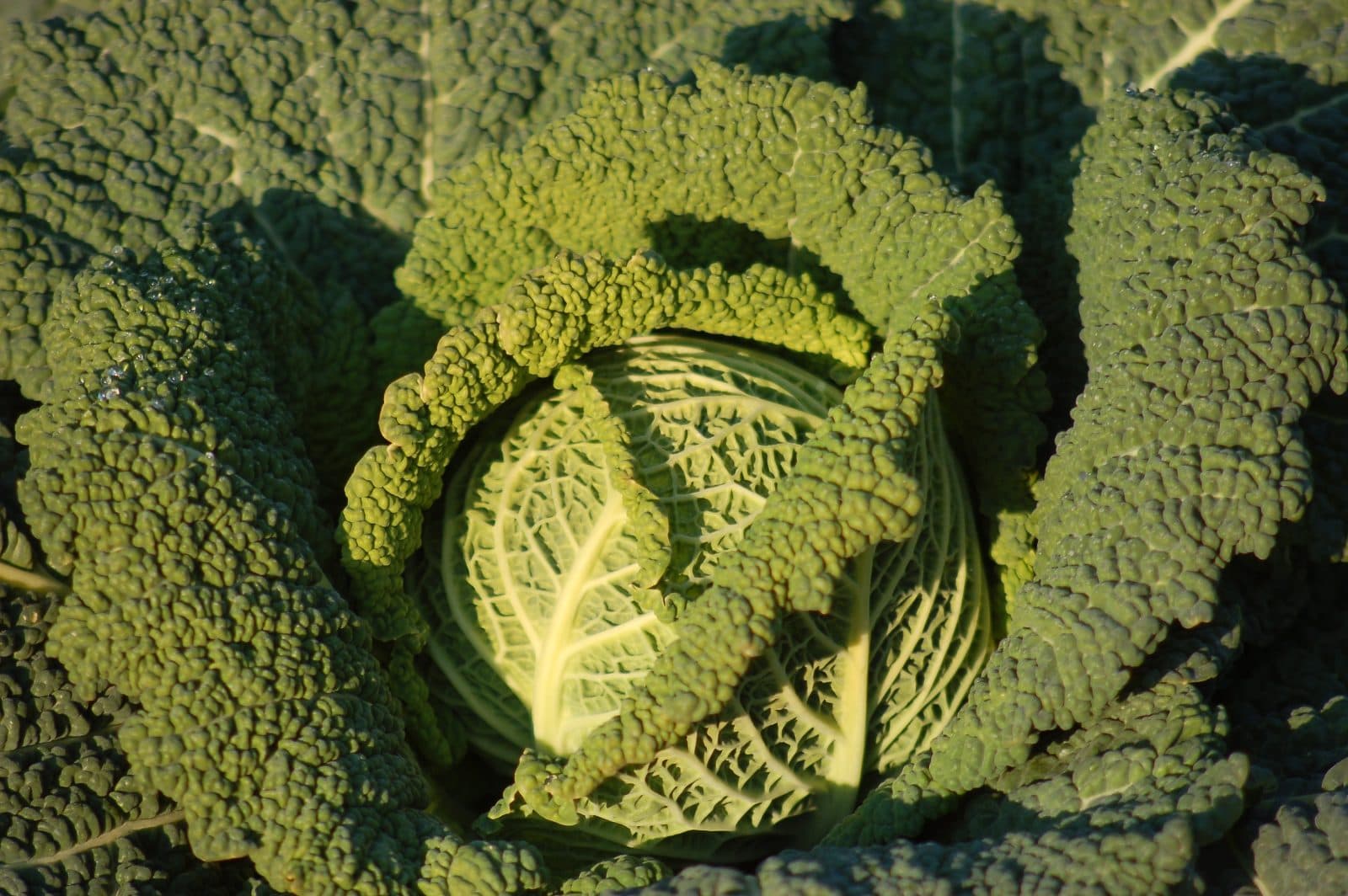 Seasonal
Winter Balcony Garden: What to Grow in the Cold
Even in winter your balcony can produce a harvest: spinach, lamb's lettuce, small cabbages and hardy herbs. Here's what to sow in pots and how to protect it from frost.
Read the guide