
Container Garden Aphids and Pests: Natural Remedies
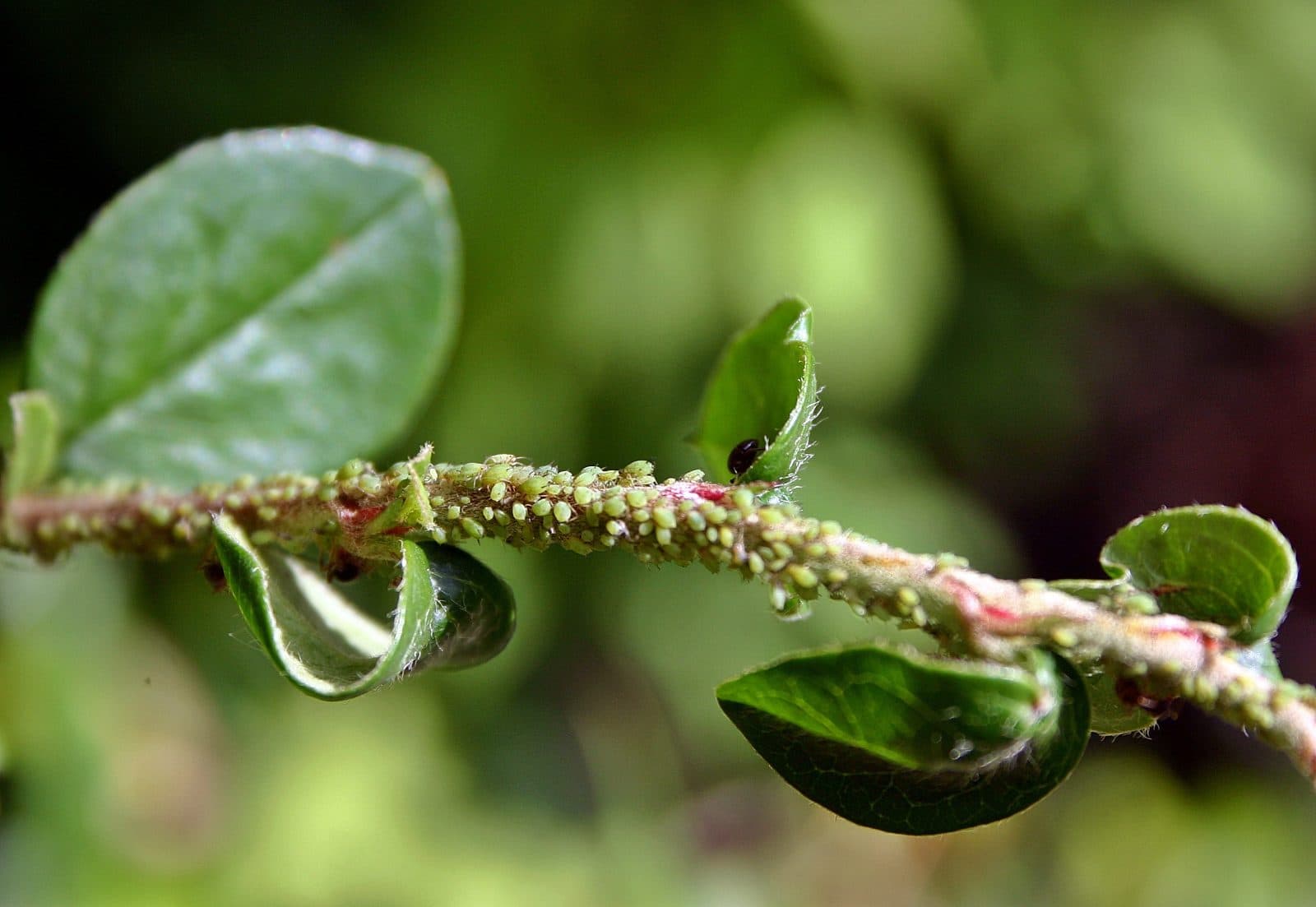
Photo by Catkin / Pixabay - Pixabay Content License
If you've found your basil leaves sticky or small green insects clustered under the tomato leaves, you've already figured out the problem: the aphids have arrived. The good news is that on the balcony, with a container garden, pests can be kept in check nicely even without chemical products. The two tools that solve most cases are potassium soft soap and neem oil, backed up by hand removal and a few growing precautions.
In this guide we'll look at how to recognise the most common pests of vegetable plants grown in pots and how to step in with eco-friendly methods, without ruining what will end up on your plate.
Recognising the most common pests of the container garden
Before treating, take a good look at the plant, especially the underside of the leaves and the tender tips: that's where nearly everything gathers.
Aphids
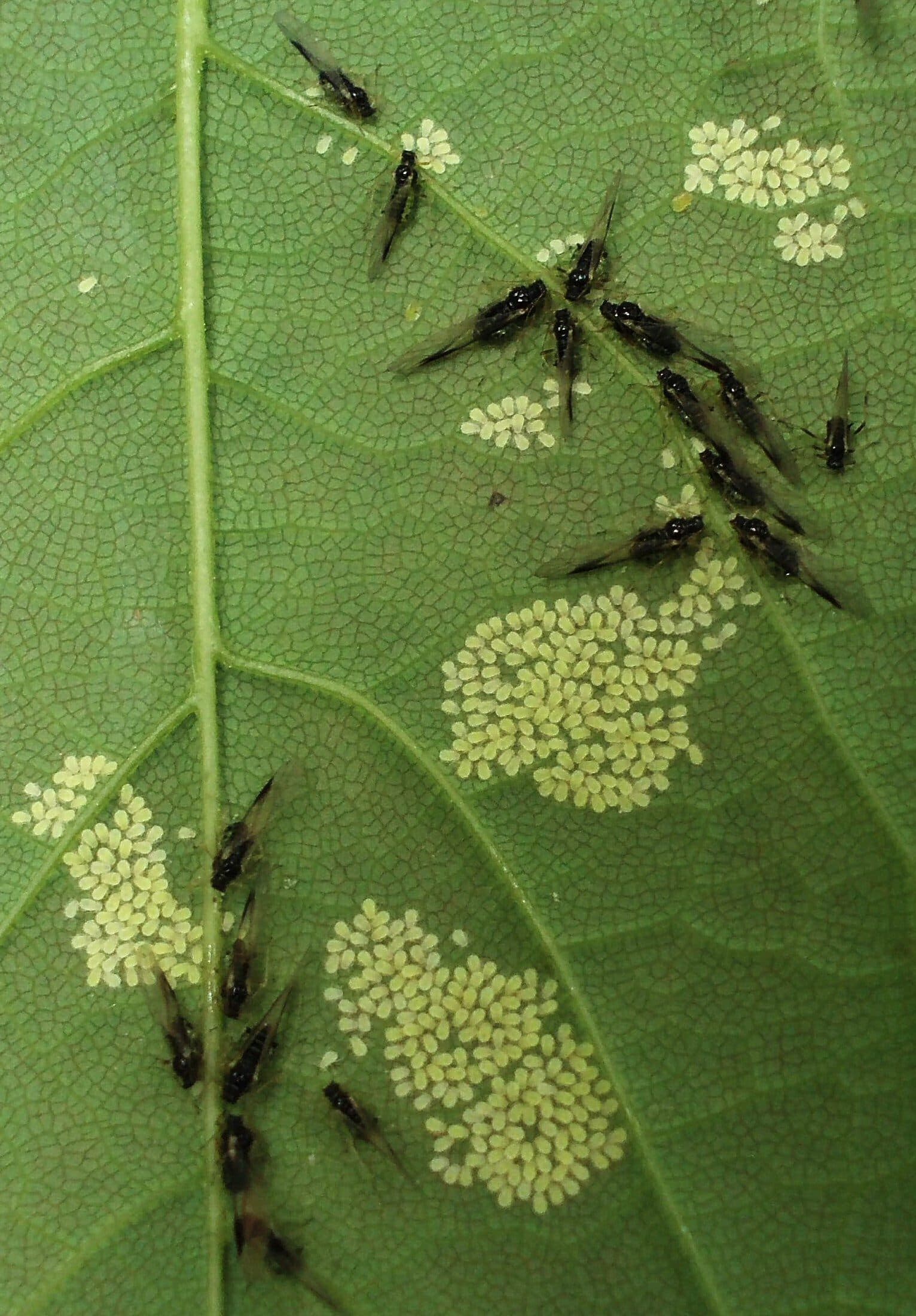
These are the most frequent. Small, soft insects, a few millimetres long, green, black, yellow or greyish, grouped in dense colonies on new shoots and under the leaves. They suck the sap and produce a sticky sugary substance, honeydew, which makes the leaves shiny and attracts ants. A superficial black mould (sooty mould) can then develop on the honeydew. Affected leaves curl up and the shoots become deformed.
Stink bugs
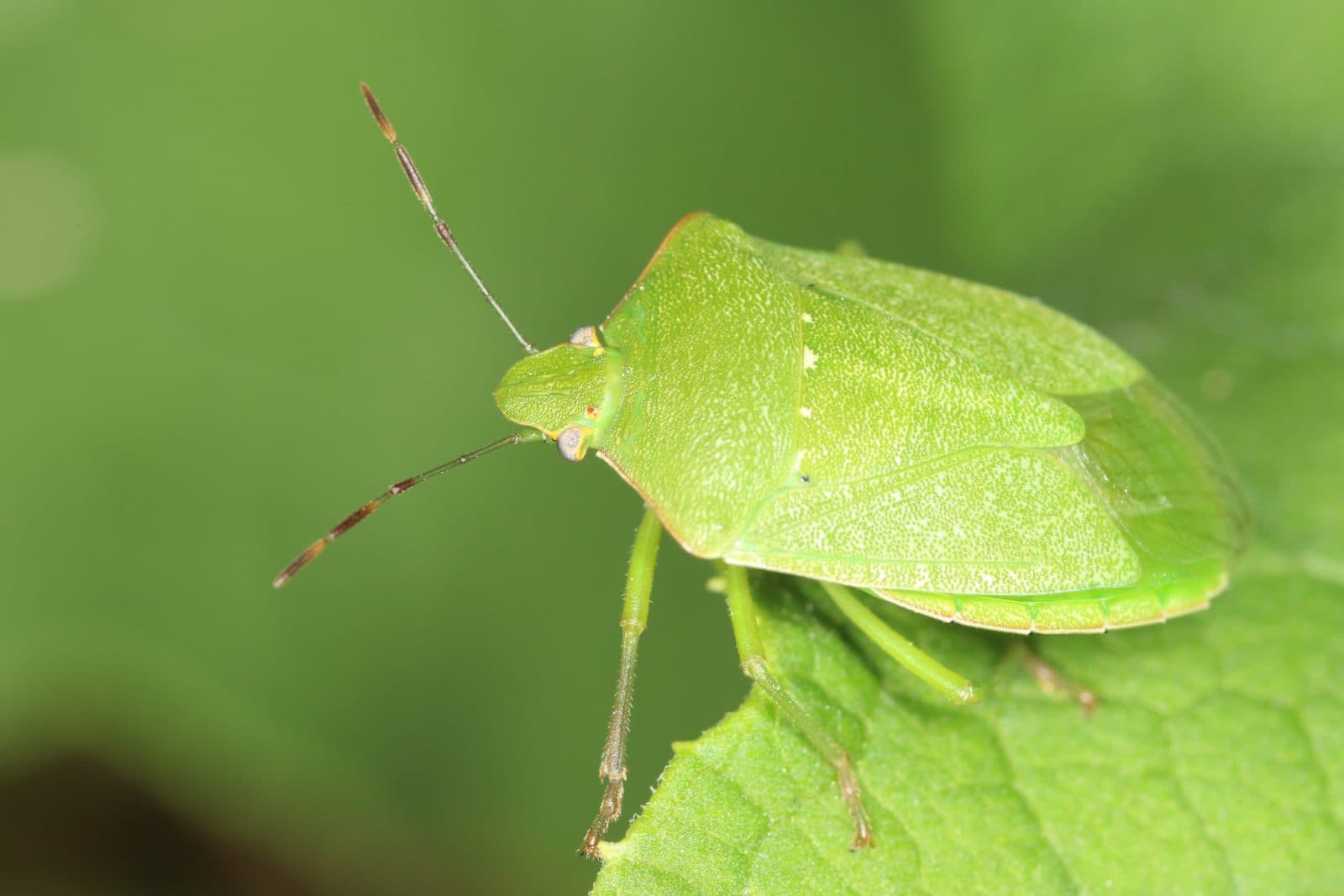
On the balcony you may see the green stink bug and the Asian (marmorated) stink bug. They are larger, with a shield-shaped body, and they pierce leaves and fruit: on tomatoes they leave pale marks and hardened areas. They move and fly, so hand-picking early in the morning, when they are sluggish, works well.
Other frequent guests
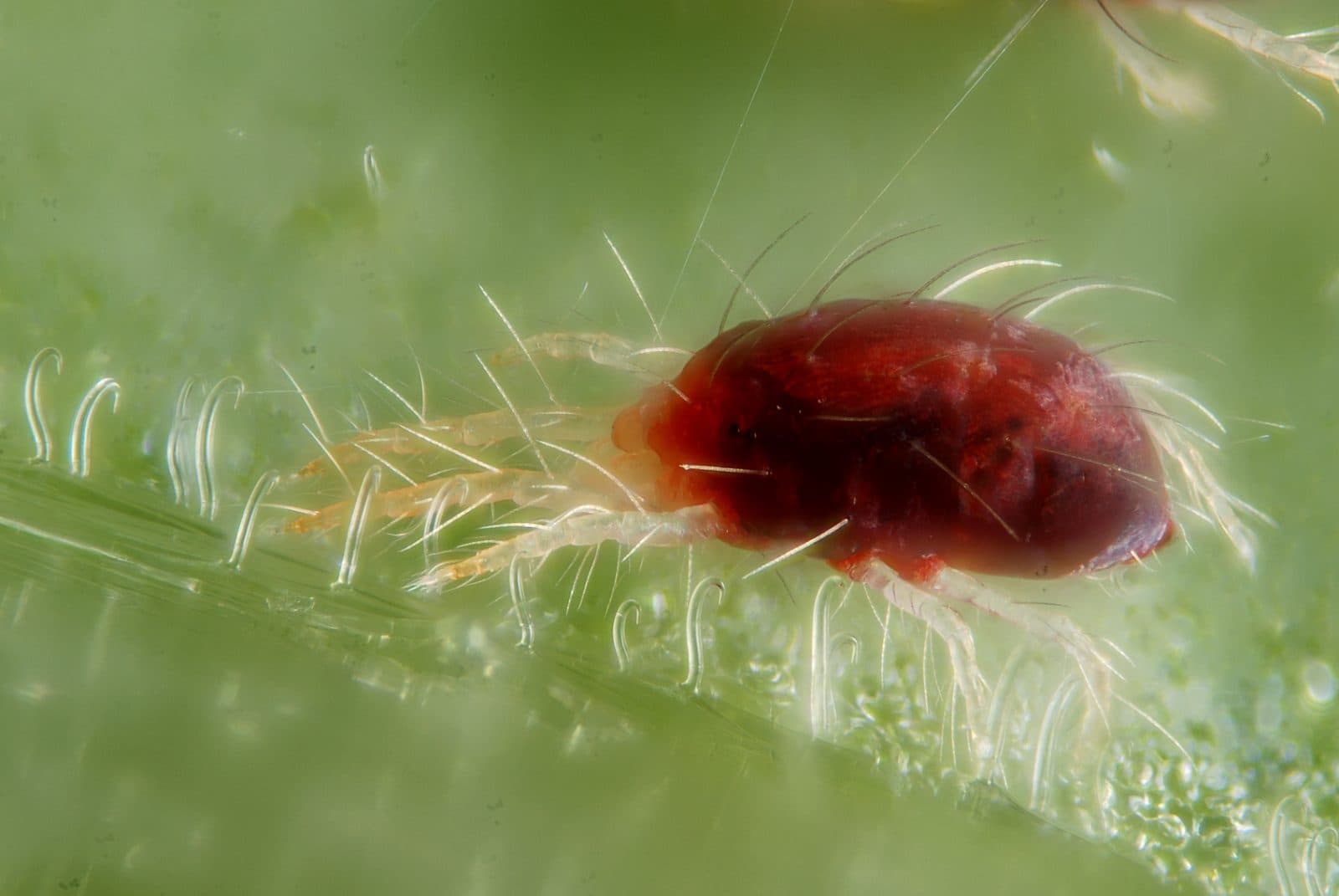
- Red spider mite: a tiny mite that appears in dry heat. Typical signs: yellowish stippling on the leaves and fine webbing. It often attacks tomatoes, aubergines and beans.
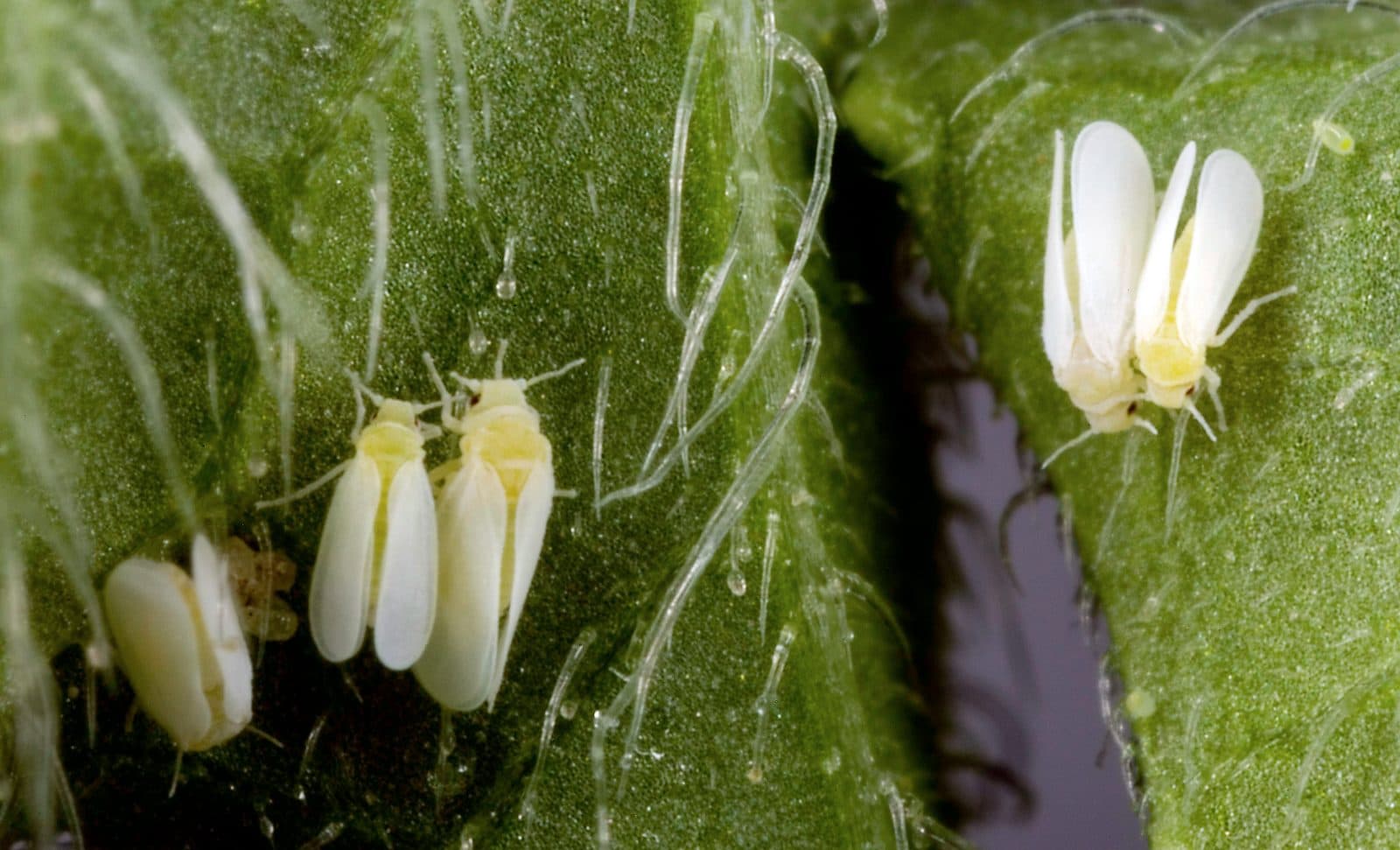
- Whitefly (aleyrodidae): small white insects that take flight if you shake the plant.
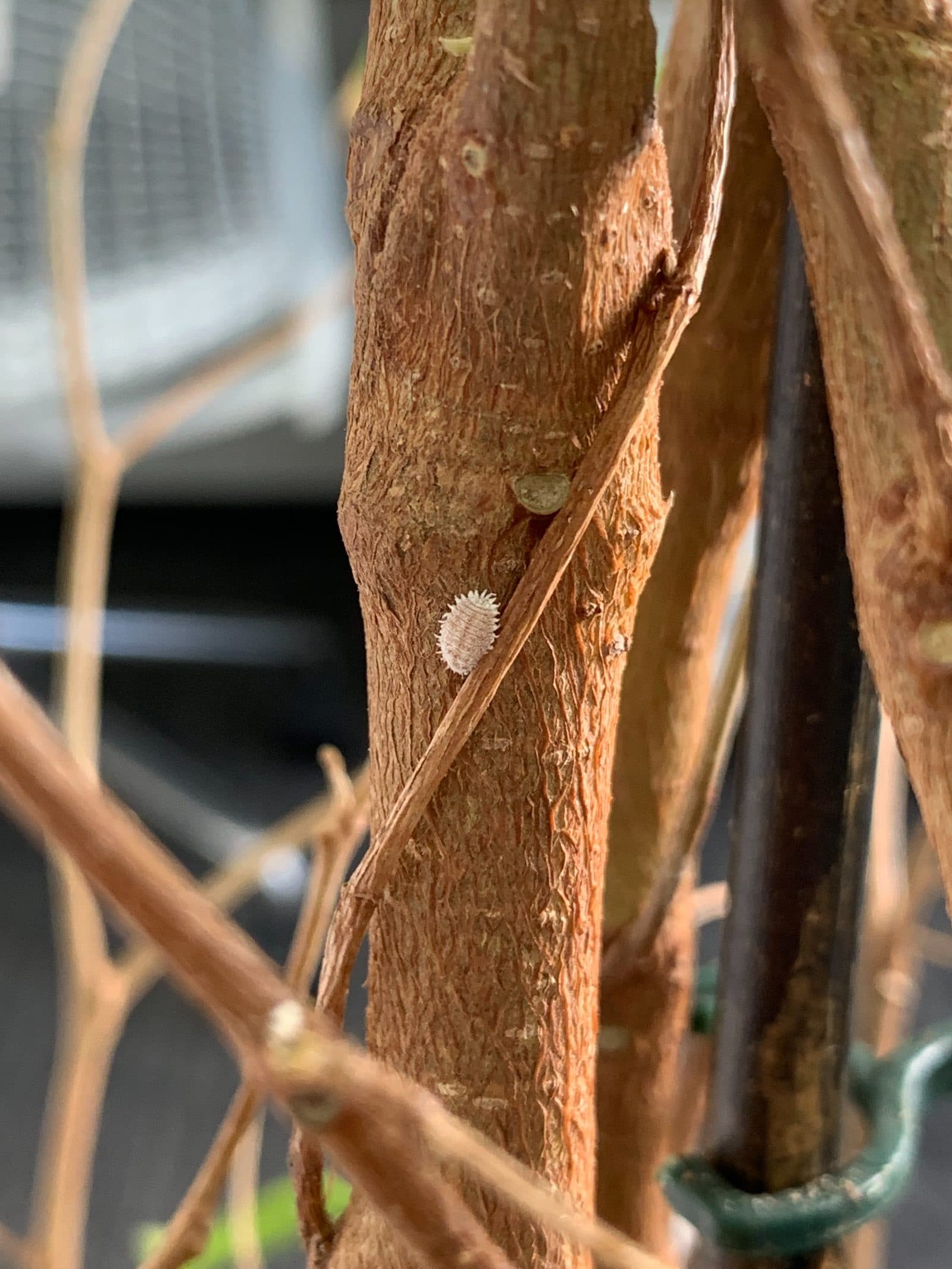
- Scale insects: motionless little shields or cottony tufts on stems and veins. If you also find them on other plants, the dedicated guide to scale insects may come in handy.
A correct identification changes the treatment: Greenkeep's photo diagnosis helps you tell aphids, stink bugs and mites apart from a simple photo, so you avoid acting blindly.
Aphids on tomatoes: how to step in
Container tomatoes are among aphids' favourite targets, settling on the apical shoots and under the young leaves.
What to do, in order:
- Water jet. A first, free treatment: a firm (not violent) jet on the colonies physically knocks off a good part of them. Repeat every two or three days.
- Hand removal. If the infestation is localised on a few shoots, crush them with your fingers or cut away the worst-affected part.
- Soft soap or Marseille soap. This is the cornerstone treatment (see the dedicated section).
- Neem oil for more stubborn or recurring infestations.
It's useful to know that aphids thrive on excess nitrogen: if you over-fertilise, you push the plant to produce tender shoots rich in sap, perfect for them. With container tomatoes, balanced fertilising is better. For everything else about growing them, you'll find it in the container tomato guide.
Keep an eye on the ants too: if they run up and down the stem, they often "farm" and protect the aphids for their honeydew. Hindering the ants helps beneficial insects (ladybirds first and foremost) do their job.
Want a care plan tailored to your plants?
Join the waitlist: species ID, diagnosis and the Gemma assistant, with the lifetime founder discount.
Soft soap and Marseille soap against aphids
Potassium soft soap is one of the most effective and gentle remedies against aphids and young scale insects. On whitefly and red spider mite the results are only partial: adult whiteflies fly off before the spray reaches them, and mites survive on the underside of the leaves unless you wet it really thoroughly. It works by contact: it damages the cuticle of soft-bodied insects and dehydrates them. It is not a systemic poison, so it must be sprayed directly onto the pests.
How to prepare and use it
- Dissolve about 10 to 20 grams of potassium soft soap per litre of water, lukewarm to make it dissolve more easily.
- Traditional flaked Marseille soap is a sodium soap instead: it works, but excess sodium is itself phytotoxic and the risk of leaf burn is higher. Prefer the potassium one.
- Spray, thoroughly wetting the underside of the leaves and the shoots, where the aphids hide.
- Check the plant again after a couple of days and repeat if the aphids are still there, usually every 5-7 days: acting by contact, it only hits what it wets, so consistency counts more than the dose.
Precautions
- Treat early in the morning or in the evening, never in full sun or strong heat, to avoid leaf scorch. Avoid treating above about 30 °C.
- Don't treat plants that are thirsty or have just been transplanted: they are the most sensitive.
- If within a few hours you see wilting or browned leaf margins, rinse the foliage straight away with clean water. Rinse as well before repeating sprays at short intervals.
- Use pure soap, without fragrances, dyes or degreasing additives.
- If in doubt, test first on a few leaves and check after a day.
Greenkeep can remind you to repeat the treatment at regular intervals: consistency is exactly what makes the difference with contact remedies.
Neem oil: when and how to use it
What is allowed in organic farming is azadirachtin, the active substance extracted from the seeds of the Azadirachta indica tree, and it has to be used through registered plant-protection products: a bottle simply labelled neem oil is not enough. It works in several ways: it disrupts the feeding and development of insects and has a repellent action. It's useful against aphids, whitefly, red spider mite and as a backup against scale insects.
How to use it
- Use only an azadirachtin-based product authorised for non-professional use on the crop you are treating. The dose, the maximum number of treatments and the pre-harvest interval are the ones on the label: there are no generic home doses.
- Neem oil sold pure, cosmetic grade, is not an authorised plant-protection product and must not be used on edible crops.
- Prepare the solution when you need it and use it right away: it loses effectiveness if stored.
- Spray for full coverage, leaves above and below, in the evening or under cloudy skies: in the sun the oil can scorch the leaves.
- Stick to the intervals and the maximum number of treatments given on the label.
Beware of beneficial insects
Neem is not one hundred per cent selective: it can also harm pollinators and beneficial insects. On the balcony, to protect the bees, do not treat plants in bloom and don't spray when pollinators are active. Always prefer the evening. Since these are vegetables you'll eat, respect the times indicated on the label before harvesting and wash the produce well anyway.
Basil and stink bugs: special cases
Basil pests
Basil mainly attracts aphids and, in some cases, whitefly. On an aromatic plant that ends up raw in the salad it's best to be even more cautious: favour hand removal and the water jet, and use soft soap while rinsing the leaves well before eating. Fungal leaf spots also appear on basil, favoured by wet leaves and poor ventilation: water at the base without wetting the leaves and don't crowd the pots together.
Watch out for slugs too, which nibble the tender leaves at night: pick them off by hand in the evening hours and raise the pots off the floor.
Stink bugs on the balcony vegetable garden
Against stink bugs, contact remedies are less effective, because they have a tougher cuticle and are constantly on the move. The best method remains hand-picking early in the morning, when they are slow: drop them into a container with soapy water. Fine-mesh nets on the more exposed pots help limit their arrival. Avoid crushing them on the leaves: they release the unpleasant smell they're known for.
Prevention counts more than cure
- Inspect the plants once or twice a week: the sooner you find the problem, the easier it is.
- Don't overdo it with nitrogen and watering.
- Ensure light and air between one pot and the next. A good pot and soil for the balcony vegetable garden makes the plants sturdier and less vulnerable.
- Encourage natural allies: ladybirds, hoverflies and lacewings devour aphids.
Let AI tell you exactly what to do
Join the waitlist: species ID, diagnosis and the Gemma assistant, with the lifetime founder discount.
Keep reading
Frequently asked questions
Best to avoid it. Dish detergents contain surfactants, fragrances and degreasers that can damage the leaves. Use potassium soft soap dissolved in water: it is gentle on plants and effective by contact against aphids. Flaked Marseille soap is a sodium soap and works too, but with a higher risk of leaf burn.
Soft soap works only by contact: check again after a couple of days and repeat if the aphids are still there, usually every 5-7 days. For azadirachtin-based products, the interval and the number of applications are the ones on the label. Consistency is decisive: Greenkeep can send you reminders so you don't skip the cycles.
Azadirachtin is allowed in organic farming, but only through products authorised for non-professional use on the crop you are treating: pure cosmetic-grade neem oil is not a plant-protection product and must not be used on edible crops. With the right product, treat in the evening, not on plants in bloom in order to protect the bees, respect the times indicated on the label before harvesting and always wash the vegetables well before eating them.
Hand-picking early in the morning is the most effective method: stink bugs are slow in the cool. Drop them into a container with soapy water without crushing them. Fine-mesh nets on the more exposed pots reduce their arrival.
It often depends on an excess of nitrogen, which stimulates tender shoots rich in sap, and on the presence of ants that protect the colonies. Fertilise in a balanced way, hinder the ants and encourage beneficial insects like ladybirds.
Sources
- ASPCA – Toxic and Non-Toxic Plants
- Missouri Botanical Garden – Plant Finder
- NC State Extension – Plant Toolbox
- Plants of the World Online (POWO, Kew)
- Royal Horticultural Society (RHS)
- UC IPM (UC ANR)
- UF/IFAS Gardening Solutions
- University of Maryland Extension – Grow It Eat It
- University of Minnesota Extension – Yard & Garden
Related guides
 Choosing & buying
Choosing the Right Pot and Soil for a Balcony Garden
How to choose the right containers and substrate for growing vegetables and herbs in pots: size, depth, drainage, materials and potting soil.
Read the guide For beginners
Balcony Garden for Beginners: Where to Start
A practical guide to starting a container garden on your balcony: what to grow with no fuss, how much sun you need, and the mistakes to avoid in your first year.
Read the guide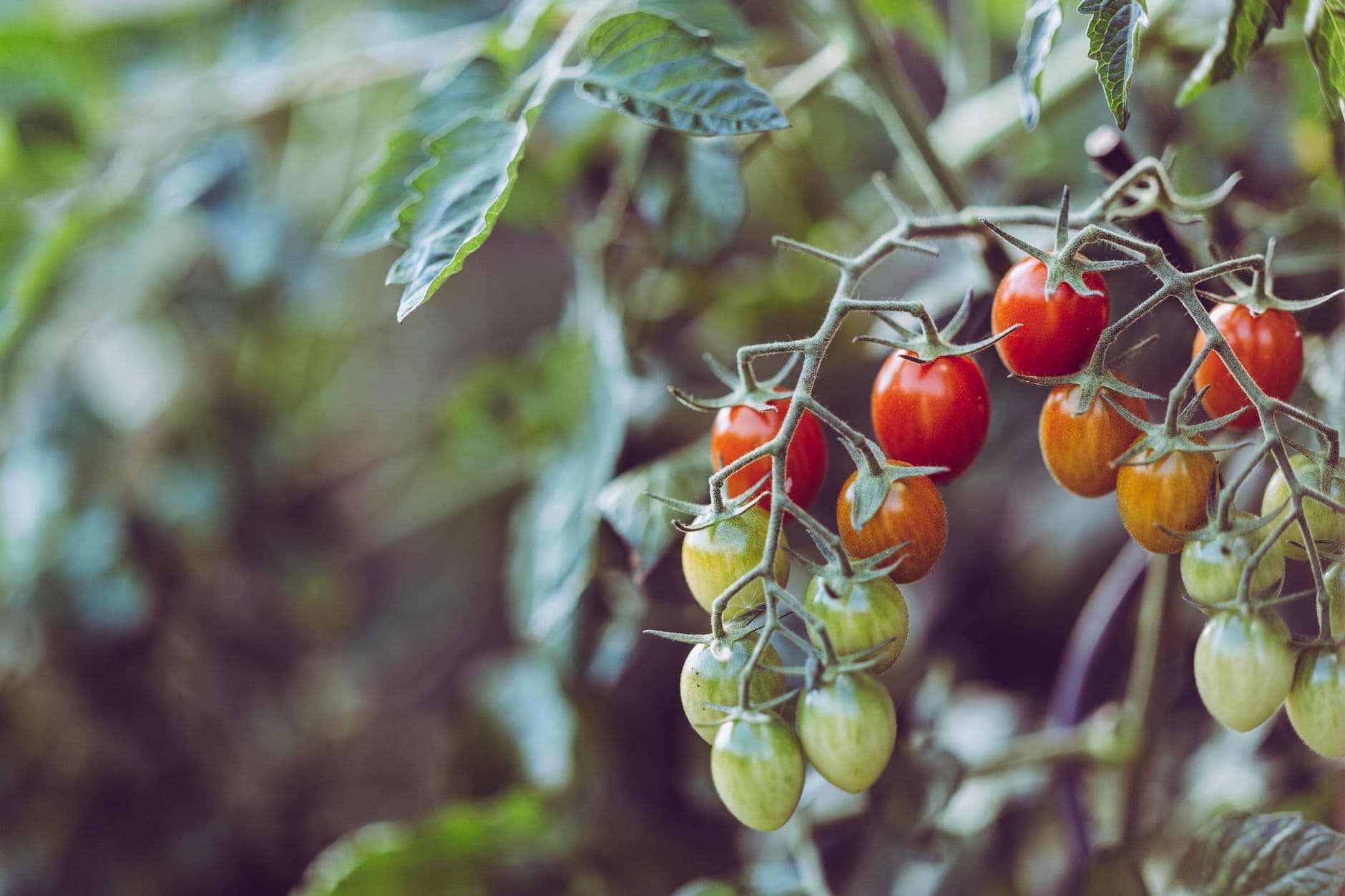 Care
CareGrowing Tomatoes in Pots on the Balcony
How to grow tomatoes in pots on the balcony: the right pot, sun, watering, fertiliser and sowing time explained step by step.
Read the guide