
Poisonous Wild Plants You Should Learn to Recognise
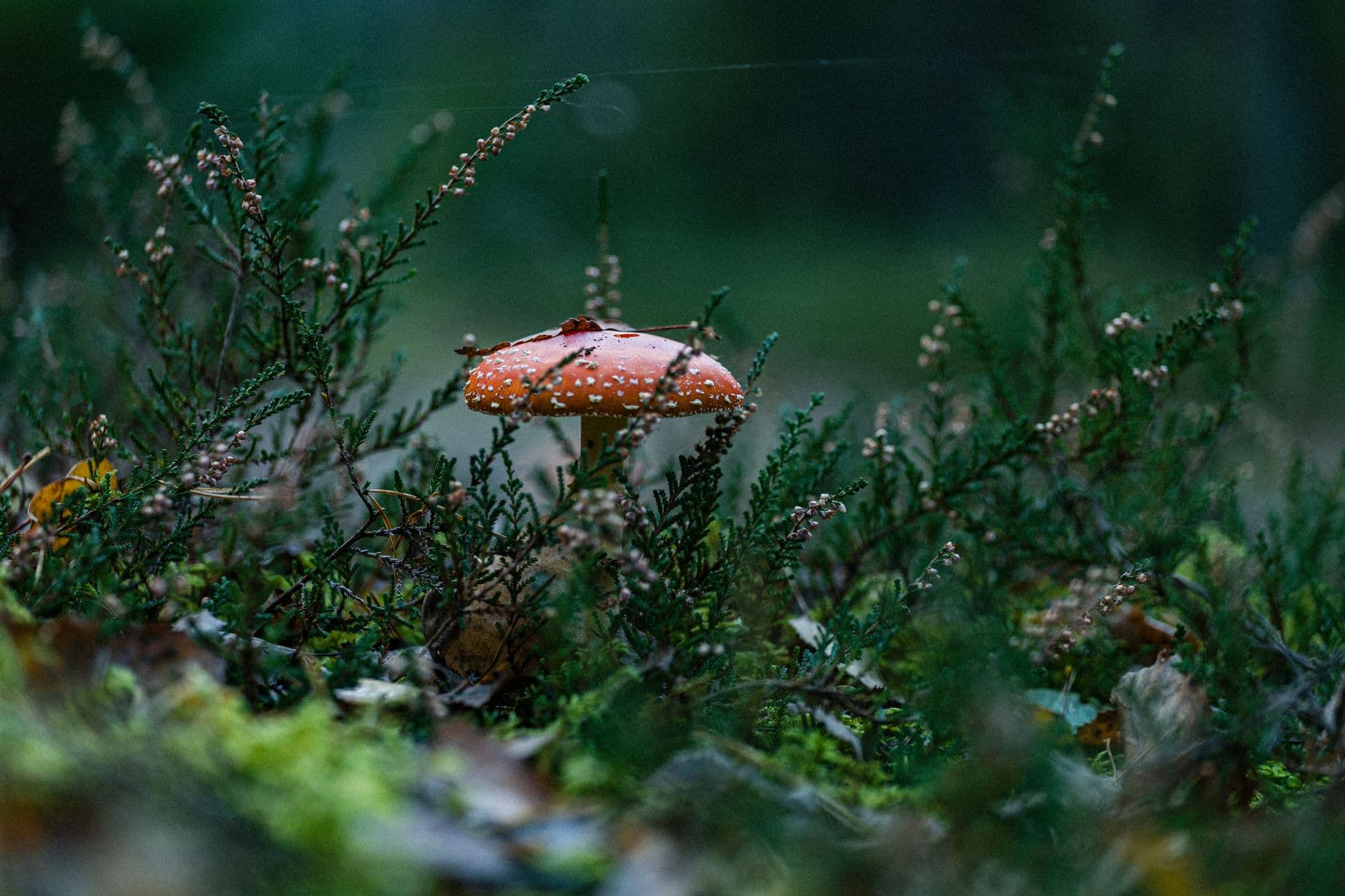
Photo by Aliaksei Semirski
The golden rule when walking through a wood or along a trail is simple: if you don't know a plant for certain, don't touch it, don't pick it, and above all don't eat it. Many wild European species are toxic, some even in tiny doses, and several look a great deal like harmless or edible plants. This guide isn't about picking anything: it's about recognising in order to keep your distance, protecting above all children and pets, who are the most curious and the most vulnerable. We'll show you the most common dangerous species, the details that help tell them apart, and what to do if in doubt.
The rule above all else: when in doubt, don't touch
Before we even list the individual species, keep in mind a few principles that always hold true.
- No home-made trick is reliable. Popular beliefs (berries that birds eat are safe, a bitter taste signals poison, boiling removes the toxins) are false and dangerous. Many toxins stay active even after cooking.
- Children and animals are most at risk. A handful of colourful berries can be enough to cause serious poisoning in a small child or a dog. Teach them early not to put anything picked outdoors in their mouth.
- Some plants are dangerous even just to the touch. You don't need to swallow them: certain species cause burns or contact dermatitis (more on this later).
- In case of suspected ingestion, immediately contact a poison control centre or, for animals, the vet. If you can, take a photo of the plant or keep a piece of it to help with identification. Do not induce vomiting without medical advice.
This guide helps you recognise the plants to avoid, not to pick edible ones. The difference between a good plant and a deadly one can come down to a single detail, and there's no room for error.
Hemlock and its lookalikes: beware of the umbellifers
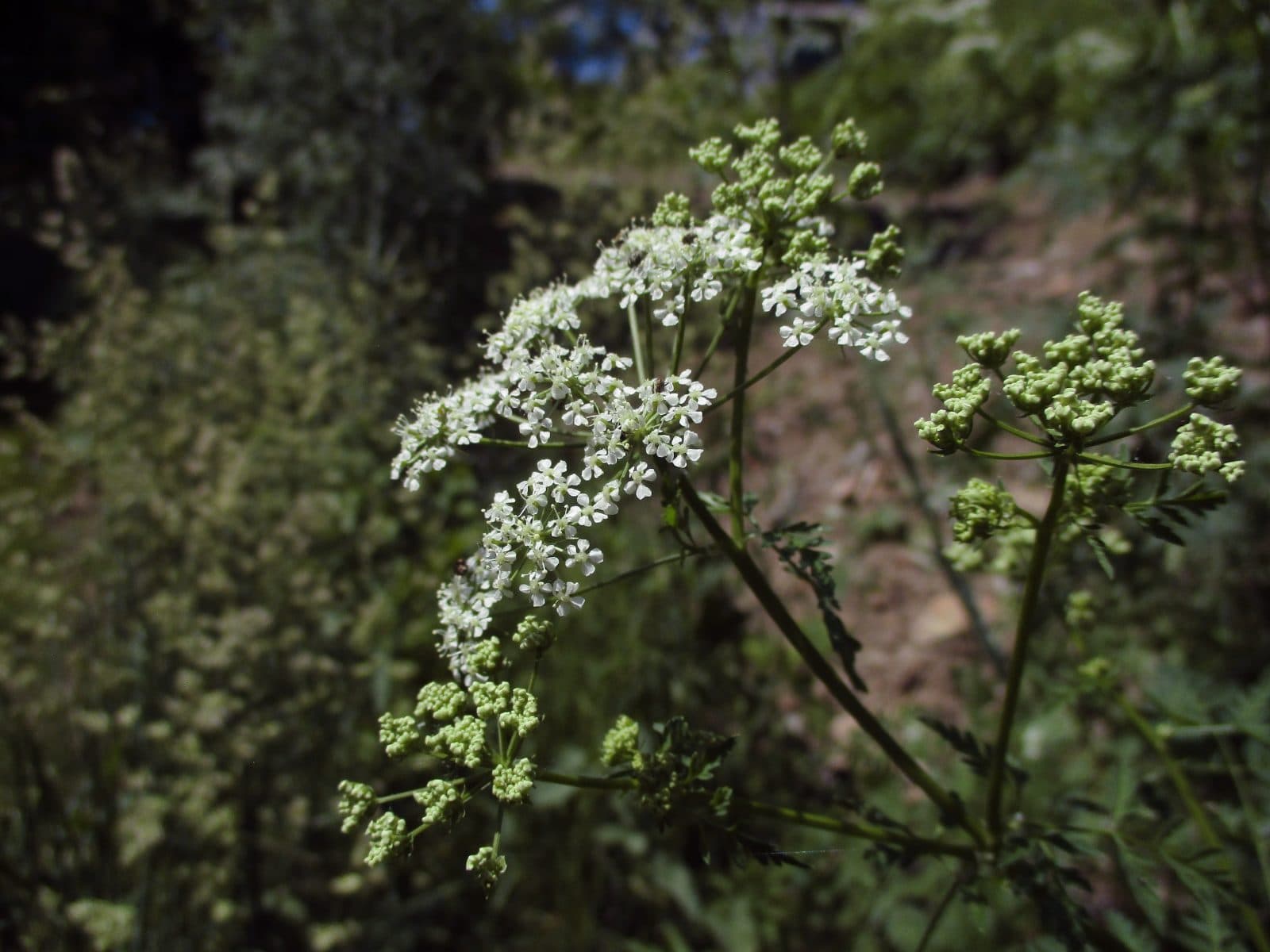
Poison hemlock (Conium maculatum) is one of the most dangerous wild plants in Italy: all its parts are toxic and ingesting it can be lethal. It grows in damp, uncultivated places, along ditches and roadsides, and can exceed a metre and a half in height.
How to recognise hemlock
- Smooth, hollow stem with reddish-purple blotches or streaks, especially towards the base. It's one of the most distinctive details.
- Small white flowers gathered in umbels (the classic little-umbrella shape of the Apiaceae).
- Very finely divided leaves, similar to parsley, an intense green.
- An unpleasant, pungent smell, a trait reported for the species: crushed foliage gives off an odour often described as mouse urine. You do not need to touch it to recognise it, the other features are enough.
The problem is that the umbellifer family (Apiaceae) includes both cultivated food plants (fennel, parsley) and deadly ones. Confusing them is one of the most frequent causes of serious poisonings. For this reason the recommendation is clear-cut: wild umbellifers are not to be picked: telling them apart requires specialist botanical skill, and this guide serves only to recognise them in order to avoid them.
In damp places grow water hemlock (Cicuta virosa) and hemlock water-dropwort (Oenanthe crocata), among the most lethal plants of the European flora. Fool's parsley (Aethusa cynapium) is considered far less dangerous and its toxicity is now debated, but it is one more reason not to touch any wild umbellifer. If you see an umbellifer in a damp setting, treat it as potentially risky.
Want a care plan tailored to your plants?
Join the waitlist: species ID, diagnosis and the Gemma assistant, with the lifetime founder discount.
Poisonous berries: the inviting colours that deceive
Berries are particularly insidious because they look appetising, especially to a child's eye. Here are some of the most dangerous ones found in European woods and hedgerows.
Belladonna (Atropa belladonna)
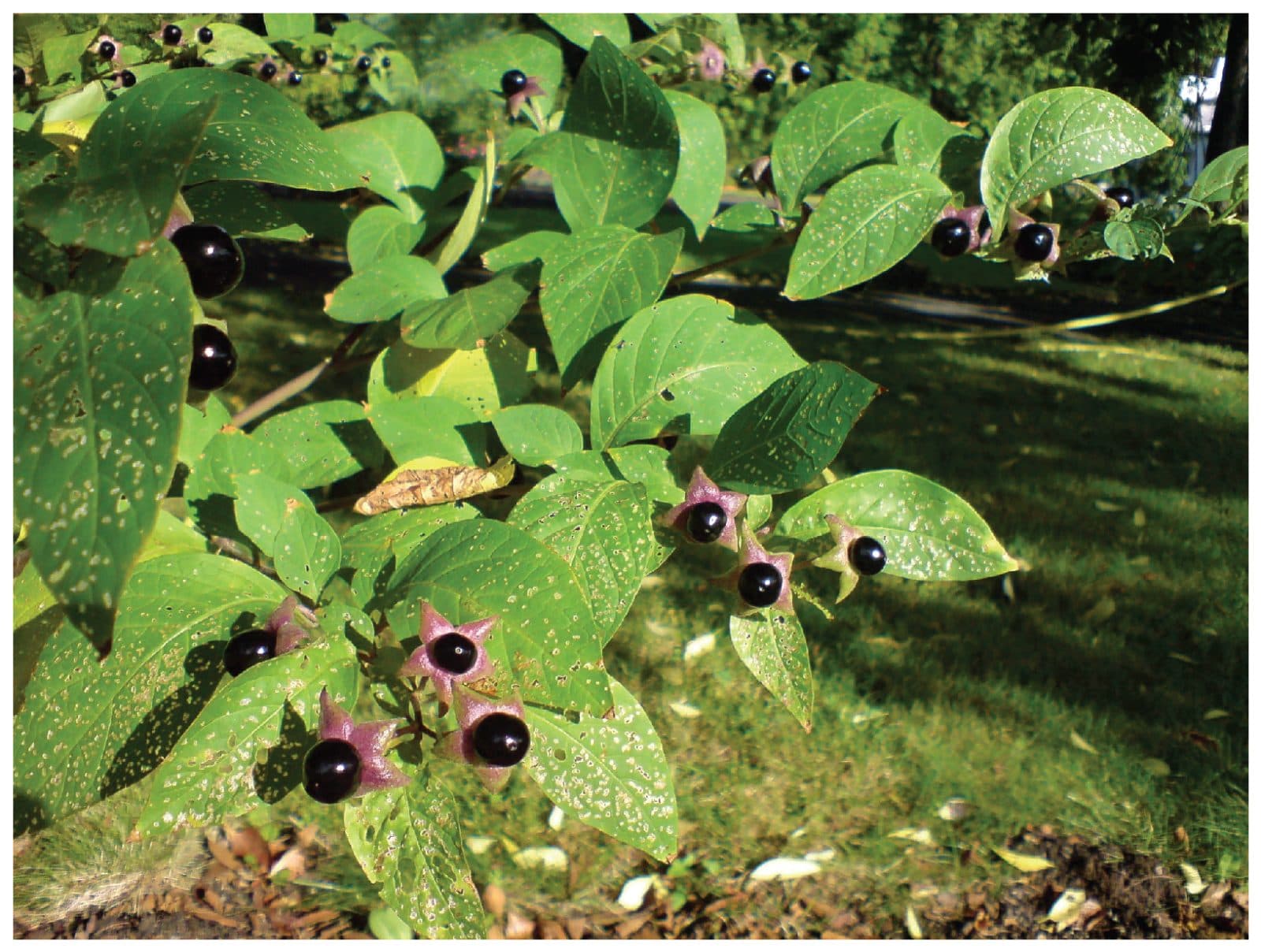
It produces black, glossy berries, borne singly, about the size of small cherries, with a green star of sepals at the base. It has bell-shaped, brownish-purple flowers. It is among the most toxic plants of all: a few berries can be fatal to a child. It grows in clearings and woods, especially in hilly and mountain areas.
Yew (Taxus baccata)
It is an evergreen tree or shrub with flattened needles. It produces small red berries (actually arils) with a seed inside. Almost the whole plant is highly toxic: needles, bark and seeds. Yew is also found in gardens and parks, so it's worth knowing.
Bittersweet and other nightshades
Bittersweet (Solanum dulcamara) has oval red berries and purple flowers with a yellow centre. The unripe green berries of many wild nightshades are toxic too.
Cuckoo pint (Arum maculatum)
In summer it produces a spike of bright red berries that are very showy, among the most attractive to children and among the most dangerous. The whole plant is irritant and toxic.
The practical rule: no wild berry should be touched or tasted unless you know the species with absolute certainty. Colour, glossiness and resemblance to familiar fruits say nothing about edibility.
Plants not to touch: burns and dermatitis
Some plants don't need to be swallowed to cause harm: contact alone, and in certain cases sunlight, is enough.
Giant hogweed (Heracleum mantegazzianum)
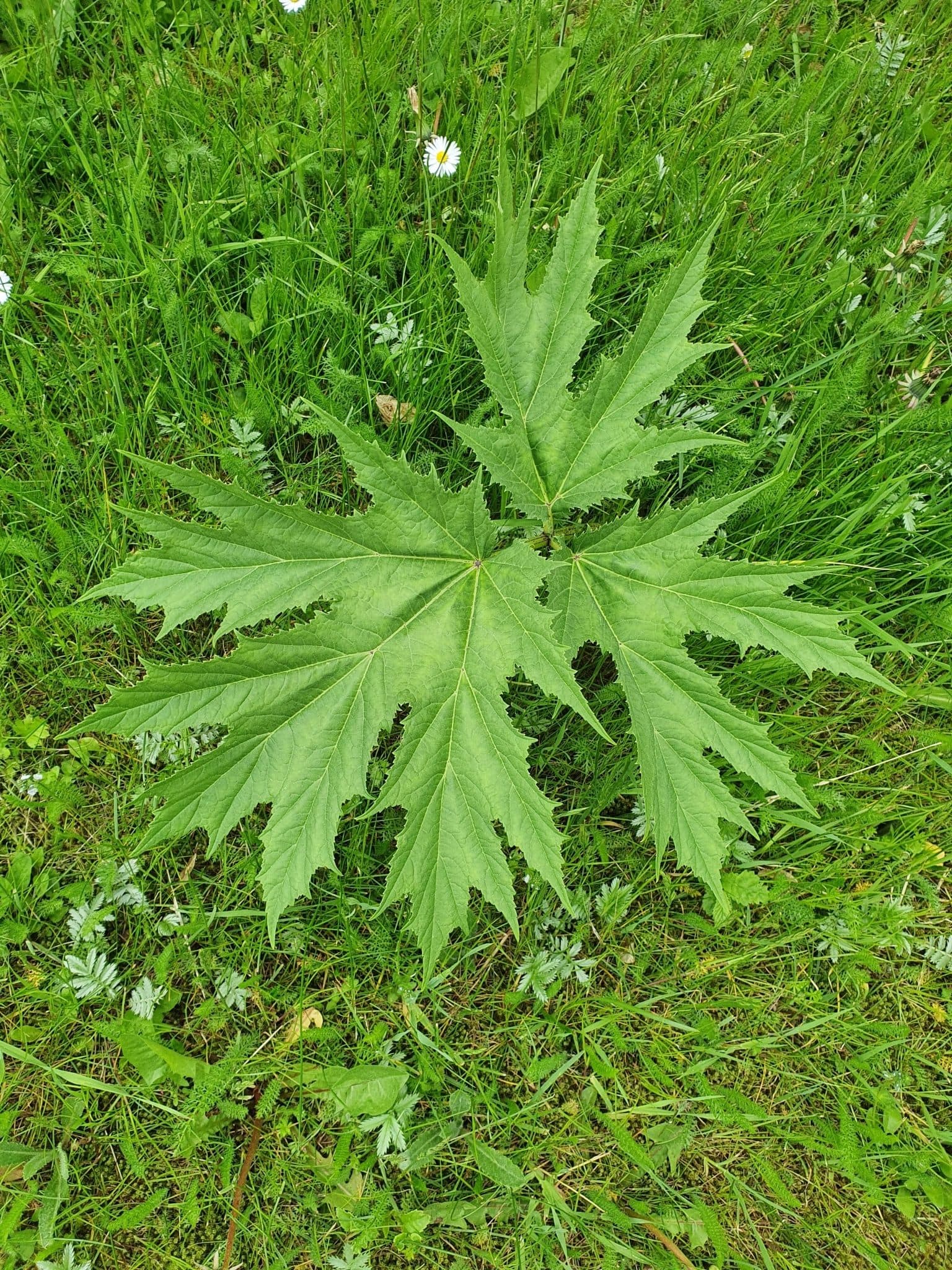
It is a giant umbellifer that can exceed three metres and reach five, one of the tallest herbs in Europe, with huge umbels of white flowers. It is precisely that out-of-scale size that separates it from common hogweed (Heracleum sphondylium), which stays under about 2 metres. Its sap contains phototoxic substances: on contact with the skin and then exposure to the sun they cause serious burns, blisters and marks that can last a long time. If you come across it, don't touch it in any way and keep children and animals away. It is an invasive species spreading in several areas.
Nettle (Urtica dioica)
Less serious but very common: its stinging hairs cause burning and welts on contact. More of a nuisance than a danger, but useful to recognise.
Spurges (Euphorbia spp.)
Many wild spurges exude a white latex that irritates the skin and eyes. Avoid breaking the stems and don't touch your eyes after handling them.
When walking through tall vegetation, wear long sleeves and wash your hands before touching your face. If redness or blisters appear after contact, see a doctor and mention which plant you suspect.
Children and animals: prevention at home and outdoors
The most exposed to risk are those who explore the world with their mouth: small children and pets.
On walks
- Don't let children pick and eat berries, flowers or leaves.
- Keep dogs on a lead in areas with dense, unfamiliar vegetation; some animals nibble plants out of curiosity.
- After the outing, check that no one has picked or hidden anything.
At home and on the balcony too
Some poisonous wild plants end up in gardens, and several common ornamentals are toxic to dogs and cats. For animals, a useful and up-to-date reference is the ASPCA's classification of toxic plants. Remember that true lilies (Lilium) and daylilies (Hemerocallis), although botanically different, are both extremely dangerous for cats, even in small quantities.
In case of ingestion
Immediately contact a poison control centre for people or the vet for animals. If you can, bring along a photo of the plant or a sample: it helps enormously in identifying it and choosing the right treatment.
This is exactly where Greenkeep's photo identification can lend a hand: you photograph the plant you came across and get a guess as to what it is. But treat it as a first aid, not a definitive diagnosis: faced with a suspicious plant the rule remains don't touch and ask an expert.
Let AI tell you exactly what to do
Join the waitlist: species ID, diagnosis and the Gemma assistant, with the lifetime founder discount.
Keep reading
Frequently asked questions
Poison hemlock (Conium maculatum) has a smooth, hollow stem with reddish-purple blotches or streaks, white flowers in umbels, and very finely divided leaves similar to parsley. Crushed foliage gives off an unpleasant smell often described as mousy, but you do not need to touch the plant to recognise it: the stem, the blotches and the leaves are enough. Because it resembles other umbellifers, wild umbellifers are not to be picked: when in doubt, leave it where it is.
Among the most toxic in Italy are the black, glossy berries of belladonna, the red arils of yew, the red berries of cuckoo pint and those of bittersweet. A bright colour is no sign of edibility: no wild berry should be touched or tasted without certain identification.
Yes. Giant hogweed contains a phototoxic sap that, exposed to the sun, causes serious burns on the skin. Spurges exude a latex that irritates the skin and eyes, and nettle causes burning on contact. It's best not to touch unfamiliar plants and to wash your hands before touching your face.
Immediately contact a poison control centre for people or the vet for animals. If possible, keep a piece of the plant or take a photo of it to help with identification. Do not induce vomiting and do not give DIY remedies without medical advice.
A recognition app like Greenkeep offers a useful guess based on a photo, but it doesn't replace the opinion of an expert or a doctor. Faced with a plant that might be toxic, use it as a first pointer and stick to the basic rule: don't touch and seek confirmation.
Sources
Related guides
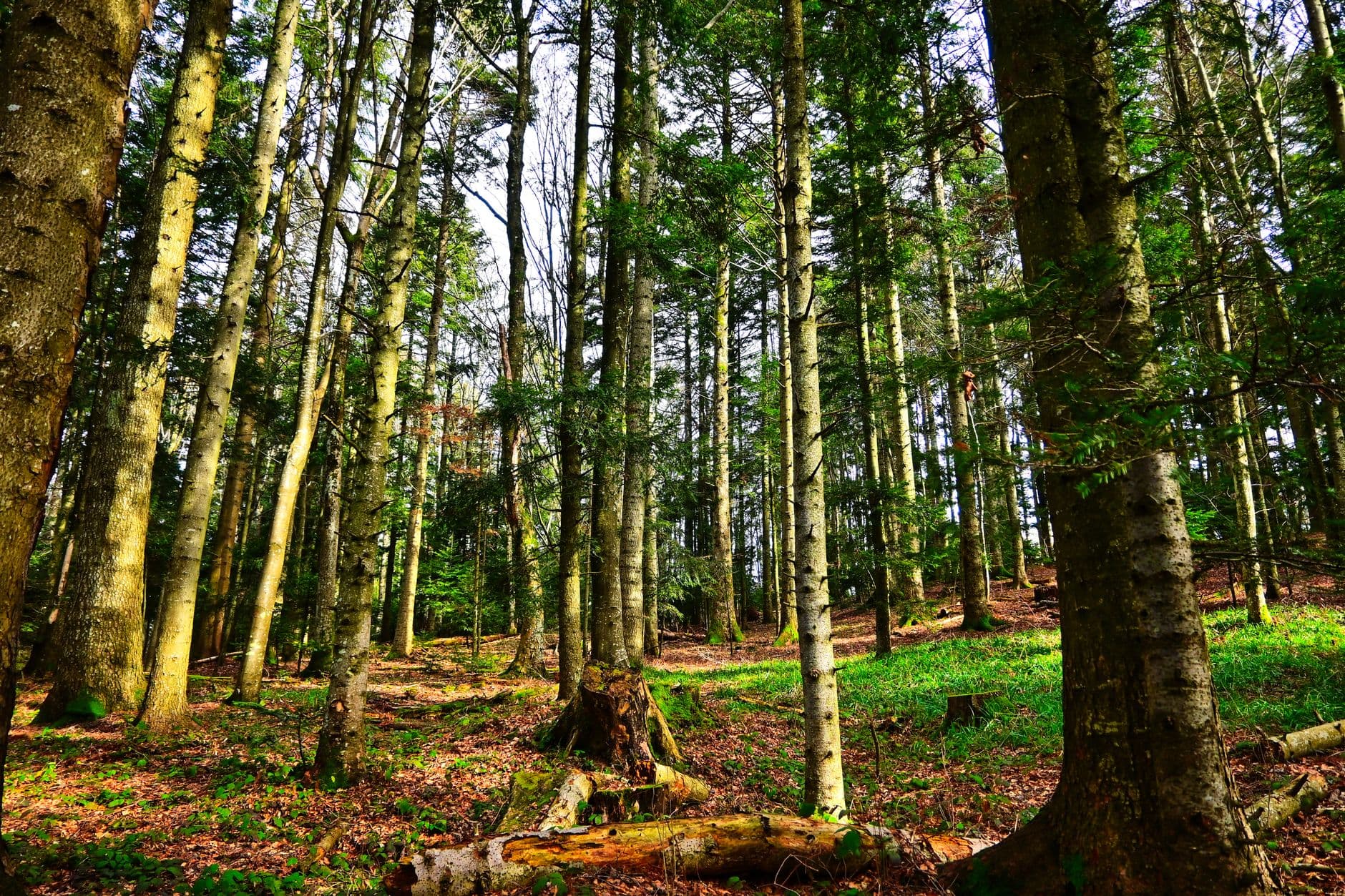 Identification
How to Identify the Most Common Trees in European Woodlands
A practical guide to identifying oaks, beeches, chestnuts and conifers by observing leaves, bark, fruits and overall shape during a walk in the woods.
Read the guide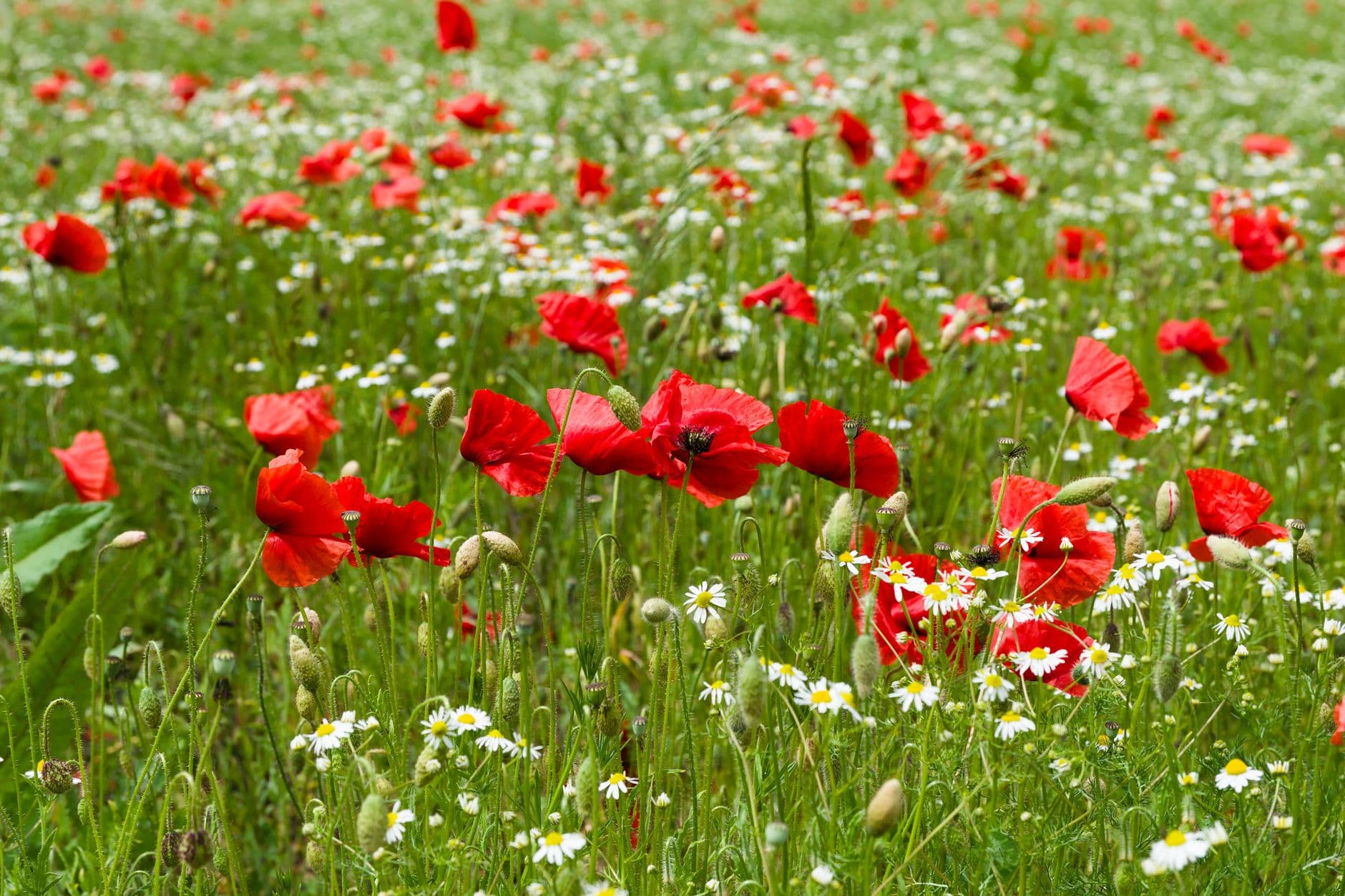 Identification
Wild Meadow Flowers: The Most Common Ones to Recognise
A practical guide to the most widespread wild meadow flowers in temperate Europe: how to recognise them, when they bloom and which ones to avoid touching.
Read the guide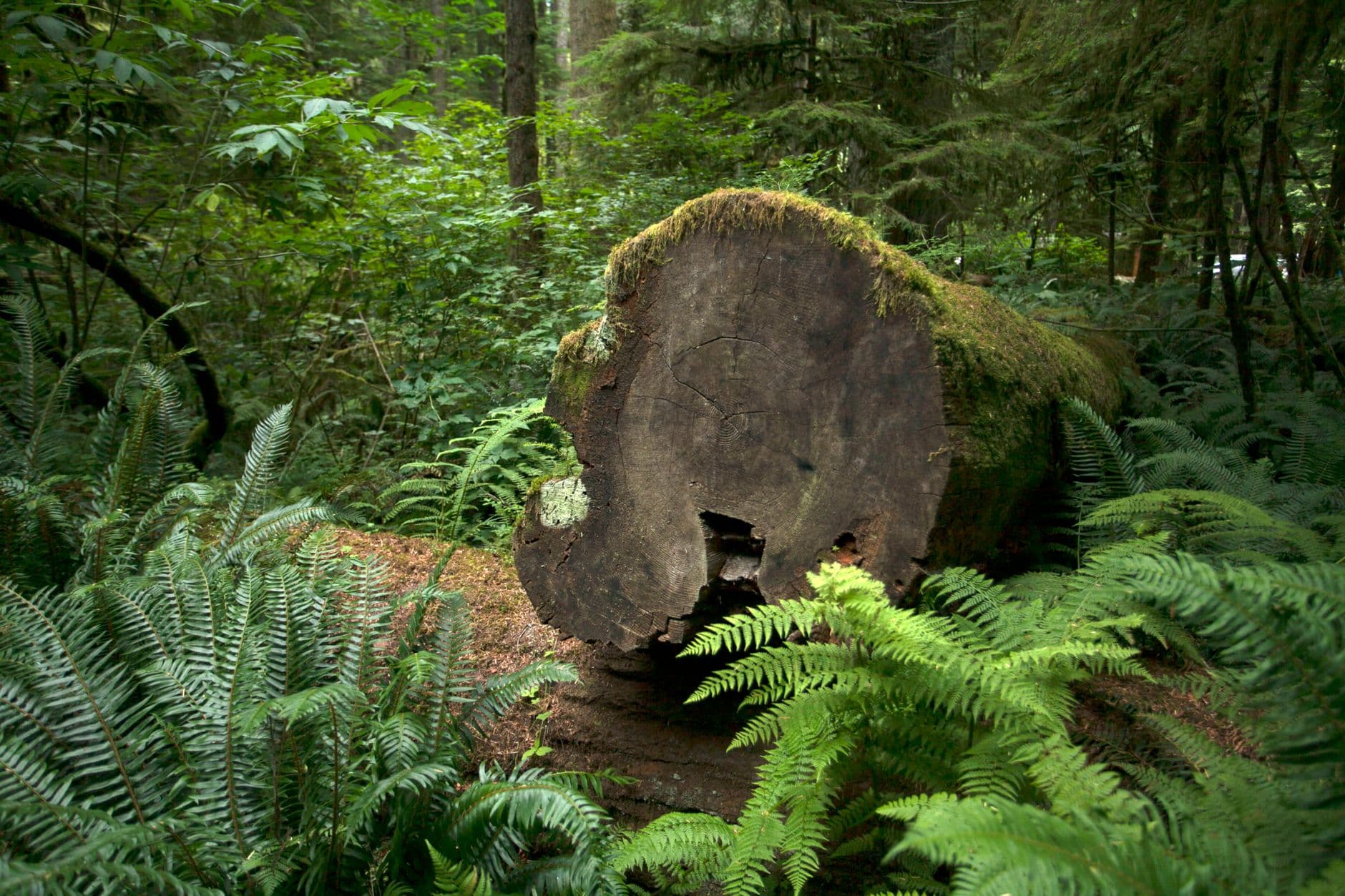 Identification
Woodland Ferns and Mosses: How to Tell Them Apart
How to tell apart the ferns and mosses of the Italian woodland floor: features, common species and biological differences, with the help of Greenkeep's photo recognition.
Read the guide